



There is often a quiet moment before we decide to buy something. A coat sits well on the shoulders. A lipstick looks right in natural light. A car door closes with a solid sound. A pair of headphones still feels comfortable after an hour.
This is the moment when interest becomes confidence. AI is very good at everything that comes before it. It can compare prices and check ingredients. It can also summarise reviews and create a shortlist in seconds. What once took hours can now begin with one simple request: Find me the best one. But faster answers create a new question: How do I know this is really right for me?
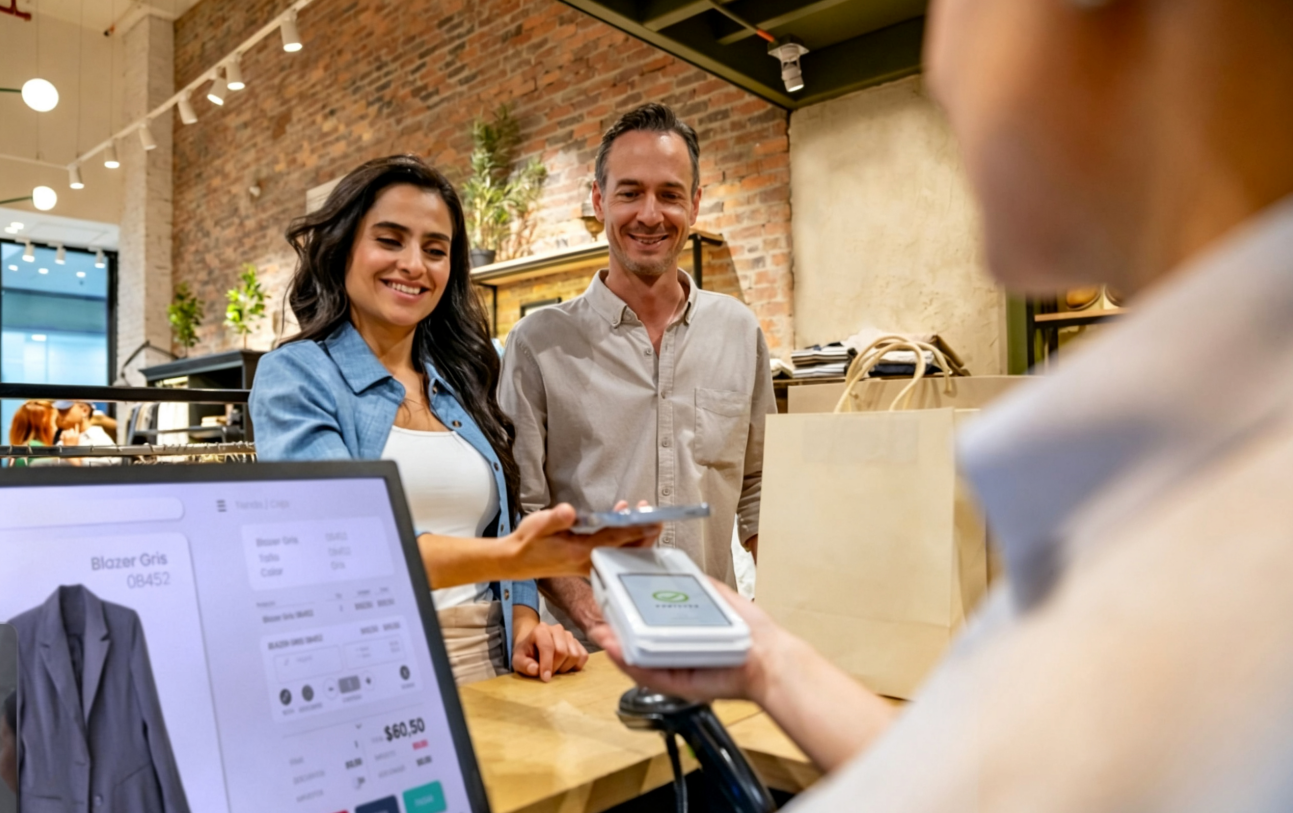
Physical stores are not disappearing. Their role is changing. A store is no longer only a place to hold products and take payments. It is becoming a place where people can test digital advice in real life.
AI Makes Shopping Easier, but Trust Does Not Always Follow
The more people use AI to shop, the more they want to know why a product has been recommended.
According to Capgemini Research Institute’s 2025 report, What Matters to Today’s Consumer, 71 per cent of consumers want generative AI to become part of their shopping experience. The report also found that 58 per cent had started using AI instead of traditional search engines for product advice. But trust is not growing at the same speed. The same Capgemini report found that satisfaction with AI shopping fell from 41 per cent in 2023 to 37 per cent in 2024.
AI may give a clear answer. But shoppers often do not know how it reached that answer. A recommendation may depend on the number of reviews or the amount of online data. It may also be shaped by paid promotion, old information, or limits in the AI system. In the past, people asked, “Am I choosing the wrong product?” Now they also ask, “Why is this product being shown to me?”
AI can make shopping feel personal. But it can also make people’s choices more similar. Millions of users may ask the same questions and receive the same answers. The same bags, hotels, beauty products, and restaurants then begin to appear everywhere. A physical store can break this pattern. It lets shoppers question the AI result. It also gives them a chance to reject the popular choice and find something unexpected.
Physical Stores Turn Information into Proof
Information tells us what a product is. Experience tells us whether it is right for us.
A product page can say that a sweater is made from pure cashmere. But only touch can tell us if it feels soft. AI can compare the range and safety of two cars. But only the body can decide if the seat feels right. This helps explain why online shopping has not replaced physical retail.
According to data published by the US Census Bureau, US e-commerce sales grew by9.8 per cent in the first quarter of 2026. But e-commerce still made up only 16.9 per cent of total US retail sales. Physical stores also remain important when people move between online and offline channels. EY’s 2025 Future Consumer Index studied more than20,000 consumers across27 countries. According to EY, 94 per cent of these consumers make at least some buying decisions in stores after browsing across different channels.
The same EY research found that 45 per cent of consumers discover new brands in stores. It also found that 24 per cent discover new products through live demonstrations. People are not choosing between AI and stores. They use them for different reasons. AI helps narrow the choice. The store helps confirm it.
Beauty: Skin Is Not Fixed Data
AI can analyse the skin. But it cannot fully predict how a product will feel or change during the day.
Beauty seems perfect for AI. Skin tone, texture, ingredients, and coverage can all become data. Virtual tools can also show a colour on the face before the product touches the skin. But skin is not fixed. A foundation may change under natural light. A perfume may smell different on each person. A cream may look suitable on an ingredient list but feel too heavy after several hours.
Weather and temperature can also change the result. So can hormones, skin condition, and personal habits. A January 2026 survey by ICSC studied 3,004 consumers. McKinsey discussed the findings in its report Shopping in the Age of AI. According to the survey, 47 per cent of consumers mainly bought health, beauty, and personal-care products in physical stores.The same survey found that 38 per cent used both online and physical channels. Only 15 per cent mainly bought these products online.
Beauty stores matter because shoppers need a safe place to test products. They need to try the shade and wear the perfume. They also need to feel the cream and see the result in a real mirror. The best beauty stores are starting to feel less like sales counters. They are becoming testing spaces. They offer skin checks, product trials, and personal advice. Their role is to help shoppers remove the wrong choices before they find the right one.
Luxury: People Want to Feel Known
Luxury is becoming less about owning something rare. It is becoming more about receiving an experience that feels personal.
AI can compare luxury prices across countries. It can also follow resale values and find popular products. It may even estimate whether a handbag will keep its value. But AI can only explain why something is expensive. It cannot decide why the object should matter to a person.
According to McKinsey & Company’s 2026 report The State of Luxury, emotional connection has become a leading reason why consumers find a luxury brand attractive. It now ranks above traditional ideas such as craft, history, and rarity. McKinsey based the findings on a survey of more than 2,000 luxury consumers in China and the United States. The research found that Chinese consumers placed strong value on private appointments and custom services. They also valued long-term relationships with trusted advisers.
Luxury was once linked to owning something that was hard to find. But almost anything can now be found online. It can also be bought in another country or found on a resale platform. So luxury is becoming less about access to an object. It is becoming more about feeling seen and understood.
A boutique can create this feeling. The space, the service, and the story behind the material all shape the purchase. Trying something on can also give the object a personal meaning. A luxury store is not simply a room filled with expensive products. It is a place where an object can begin to feel personal. The product may be available everywhere. But the feeling that it belongs to you is harder to copy.
Cars: The Body Makes the Final Decision
AI can compare every detail of a car. But only a test drive can show how the car feels in real life.
Cars come with a large amount of information. AI can compare range, fuel use, and safety. It can also study insurance costs, resale value, and long-term costs. But people do not experience a car as a list of numbers. They experience it through the body.
According to a consumer study published by Cox Automotive, 88 per cent of consumers would not buy a car without a test drive. The same study found that 81 per cent wanted a different test-drive experience. Some consumers wanted to test a car at home. Others wanted to drive without a salesperson. Some wanted test-drive centres where they could compare several brands.
People still need to experience the car. But many no longer want the sales pressure that often comes with a showroom visit. A modern showroom should give shoppers room to test the seat, view, sound, and software. It should also let them experience how the car feels on the road. Staff should give clear answers about charging, insurance, payment plans, and future service.
AI can suggest the car that looks best on paper. But it cannot take responsibility for an expensive mistake. A store gives the consumer a real place to return to. It also offers a person to question and a company that must respond. An algorithm does not feel embarrassed when it is wrong.
Consumer Electronics: Buying Is Only the First Step
Consumers are not only buying a device. They are also buying future support.
Consumer electronics seem easy to buy online. Product details are clear. Prices are easy to compare. Reviews are also widely available. But new technology is becoming harder to judge through product details alone.
A website can list the weight of a pair of headphones. But it cannot tell us if they will hurt after an hour. AI can compare noise-cancelling systems. But it cannot know if a user will feel pressure in the ears. A foldable screen may look perfect in an image. But it may feel distracting in person. A device may also work well alone but connect poorly with other products in someone’s home.
So the question is not only, Which device should I buy? It is also, What happens after I buy it?
People need to know how their data will move to the new device. They may need help with setup or repairs. They may also want to trade in an old device or learn how to use new features. According to Apple’s official retail information, Apple Stores offer product testing and shopping support. They also provide Genius Bar services and free Today at Apple sessions. According to Samsung’s official Experience Store information, its stores offer product demonstrations and expert advice. They also provide repairs, trade-in services, and in-store events. The store is not only where the sale ends. It is also where support begins. AI can build confidence before a purchase. Human support can protect that confidence afterwards.
Physical Stores Give Choice Back to the Consumer
The deepest value of a physical store is simple. It allows consumers to make their own decisions.
The main risk of AI shopping is not only that AI may give the wrong answer. People may also become less involved in making their own choices.
An AI system can find products and compare them. It can summarise reviews and complete the order. This makes shopping easier. But an easier process does not always give people more control.
Choice is not only about finding the fastest answer. It also includes the freedom to wait and compare. People should be able to touch a product, reject it, and change their minds. They should also be free to want something that the system did not expect.
A physical store keeps this freedom alive.
A shopper may find an unknown perfume while walking through a store. She may try on a highly recommended dress and decide that it does not feel like her. She may speak to another person, notice something unexpected, or leave without buying anything. These actions may look slow to an AI system. But they help a choice feel personal.
A physical store does not need to compete with AI. It gives people a place to test what AI suggests against what they truly feel.
References
Capgemini Research Institute. (2025). What Matters to Today’s Consumer.
Cox Automotive. Tune-Up Your Test Drives to Speed Sales.
EY. (2025). Should Retailers Close Stores or Make Them Work Harder?
McKinsey & Company. (2026). Shopping in the Age of AI: Redefining Stores for a New Era.
McKinsey & Company. (2026). The State of Luxury: What US and Chinese Clients Reveal About the Sector’s Future.
US Census Bureau. (2026). Quarterly Retail E-Commerce Sales, First Quarter 2026.