
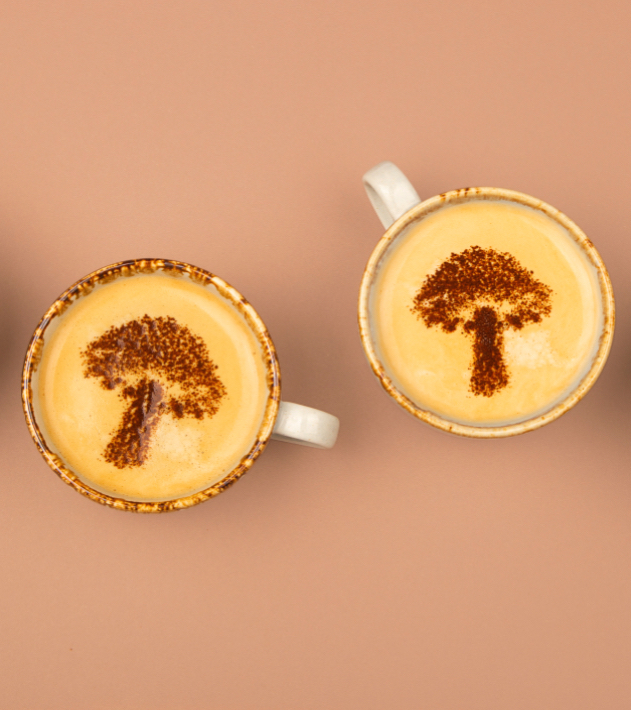



Mushroom coffee became popular for a reason that goes far beyond curiosity or wellness trends.
At first, the idea sounds slightly strange. Coffee already dominates modern work culture, so adding lion’s mane, reishi, or cordyceps can easily seem unnecessary. But the rapid growth of mushroom coffee reflects a much larger shift in how people want to feel while working.
Most professionals still rely on some forms of daily stimulation. A usual working day often begins with early meetings, notifications that never fully stop, and many jobs which require long hours of concentration in front of screens. Coffee remains deeply connected to that rhythm. A cup of coffee signals readiness, focus, and mental availability. For many people, it still marks the transition into work mode every morning.
At the same time, traditional caffeine habits have started putting harder effects on the body.
Many office workers know the cycle well: strong coffee in the morning, rising anxiety by midday, energy crashes in the afternoon, difficulty focusing later at night, and sleep that never feels fully restorative. What once felt productive can now feel physically draining, especially for people already dealing with stress, poor sleep, or constant digital overload.
That tension created the perfect environment for mushroom coffee, a trendy beverage that blends traditional coffee grounds with powdered extracts from "functional" or medicinal mushrooms.
The appeal has less to do with mushrooms themselves and more to do with the kind of energy people are searching for now. Many consumers no longer want stimulation that feels aggressive or unstable. Otherwise, consumers’ focus shifts to things that contribute to longer, calmer concentration, and routines that support productivity without making the body feel exhausted afterward.
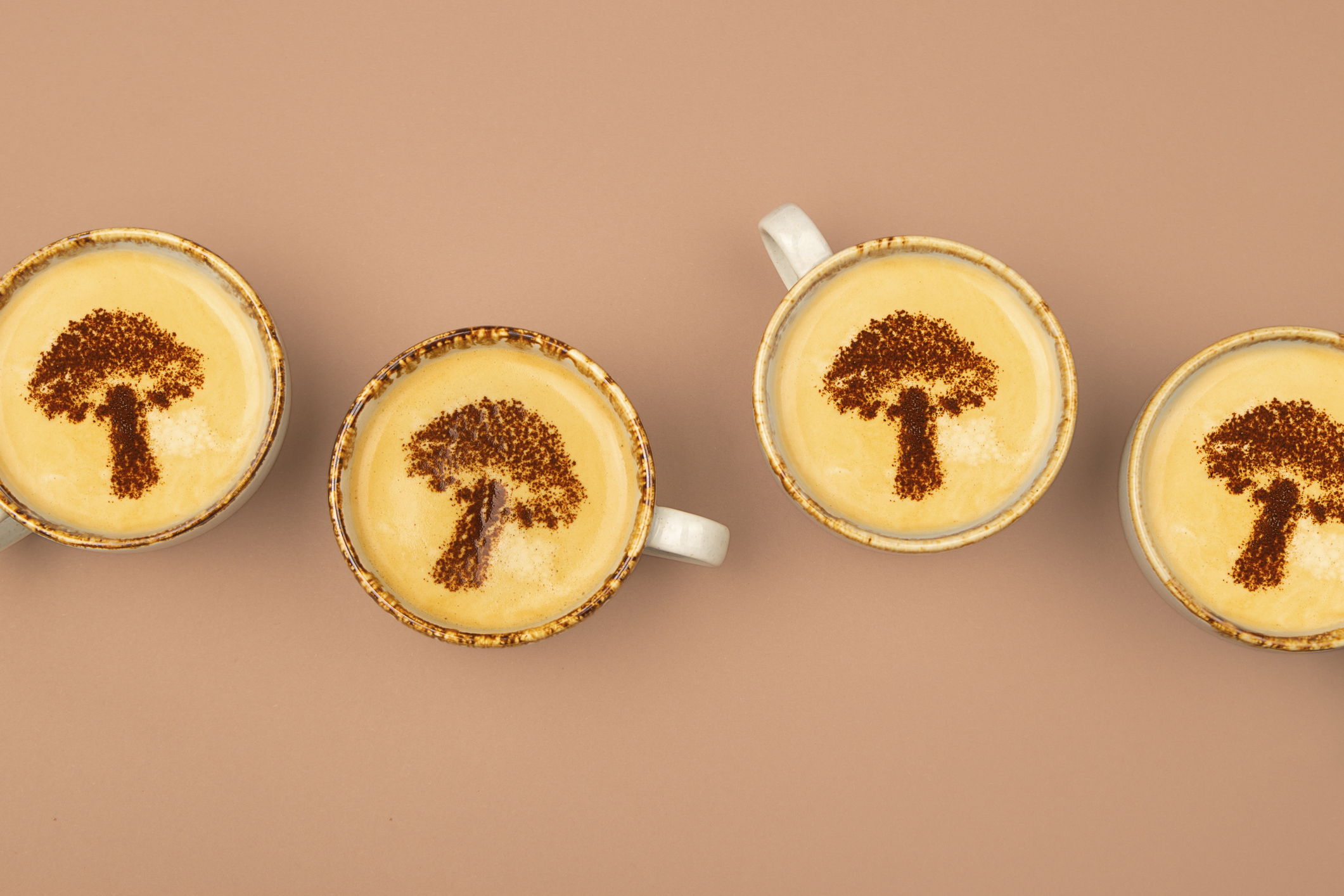
Mushroom coffee just exactly lies in this position.
Most mushroom coffee blends still contain caffeine, but usually in lower amounts than standard coffee. Ingredients like lion’s mane are often associated with focus and mental clarity, while reishi is commonly linked to relaxation and stress support. Whether people are fully convinced by every wellness claim almost becomes secondary. The experience matters just as much.
For many workers, mushroom coffee fits into a more manageable daily rhythm:
morning focus without feeling jittery
fewer afternoon crashes
smoother energy during long work sessions
less dependence on multiple coffees throughout the day
That practical workplace use matters far more than the novelty factor.
The modern office worker is expected to stay productive while also maintaining emotional balance, healthy sleep, physical wellness, and constant responsiveness. Under those conditions, people increasingly pay attention to products that help reduce friction inside daily routines.
Mushroom coffee fits naturally into that mindset because it has softer influence on the nervous system.
Instead of creating intense spikes of alertness, the product is often marketed around stability, clarity, and sustained energy. Even the language around it reflects this shift. Traditional energy culture focused heavily on hustle, intensity, speed, and pushing limits. Mushroom coffee belongs to a different atmosphere entirely: calm productivity, steady concentration, and sustainable routines.
That shift also explains why mushroom coffee appears so frequently in carefully designed workspaces, wellness-focused cafés, and lifestyle content online. The product visually still belongs to coffee culture, but emotionally it communicates something slightly different. It suggests awareness of burnout, stress management, and the desire to work in a way that feels more physically sustainable.
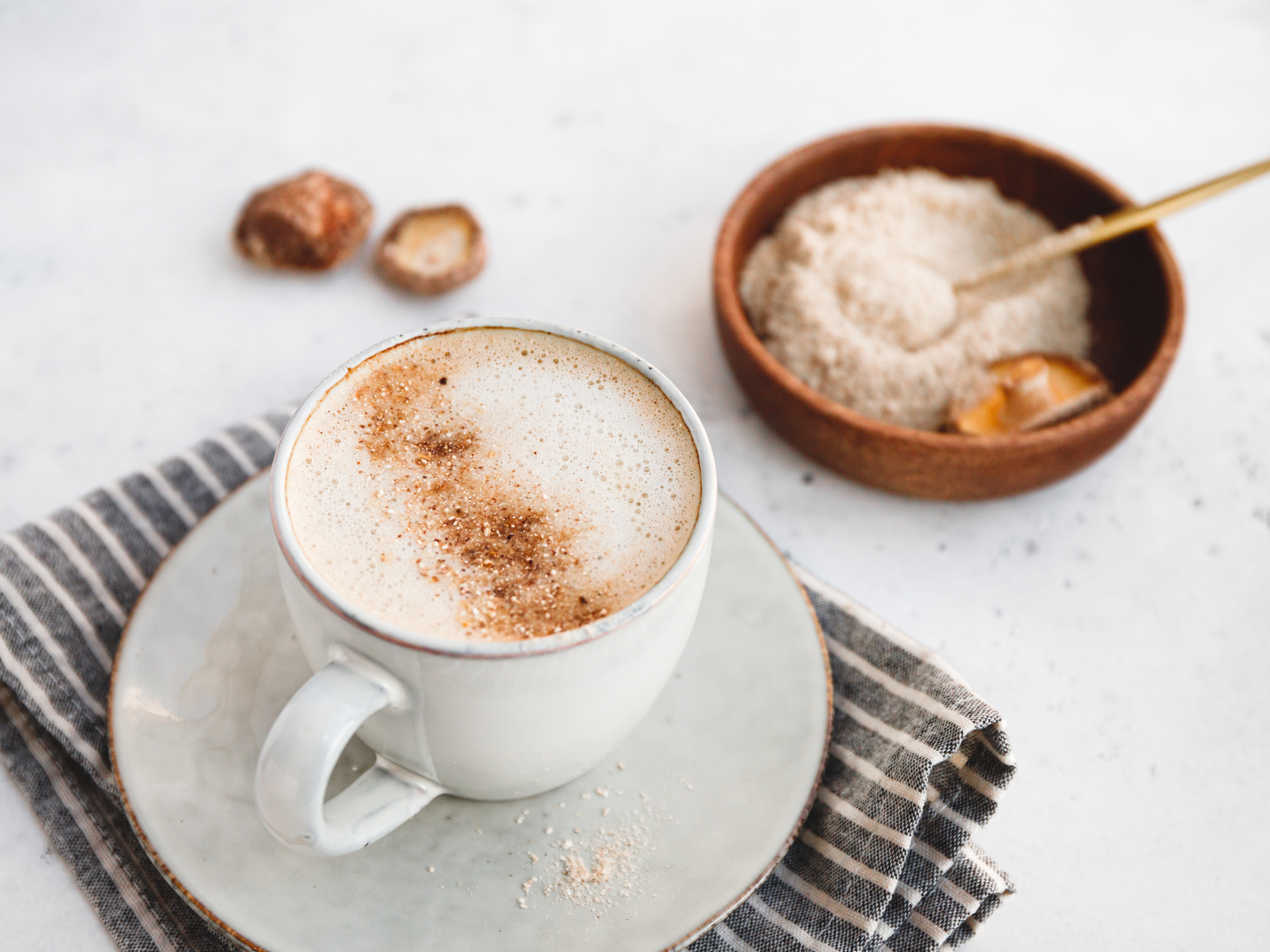
The popularity of mushroom coffee also reflects changing ideas about professional performance. A few years ago, workplace culture often admired visible exhaustion: endless coffee runs, sleepless schedules, and high-intensity productivity. Now, the more aspirational image looks calmer and more controlled. People increasingly admire workers who appear focused, emotionally regulated, physically healthy, and mentally clear under pressure.
People still want energy. They still want productivity, concentration, and momentum. What many no longer want is the physical cost that traditionally came with achieving those things.
That may be the real reason mushroom coffee continues to grow beyond a short-term wellness trend.
The product speaks directly to a generation trying to stay functional without feeling depleted by the process.