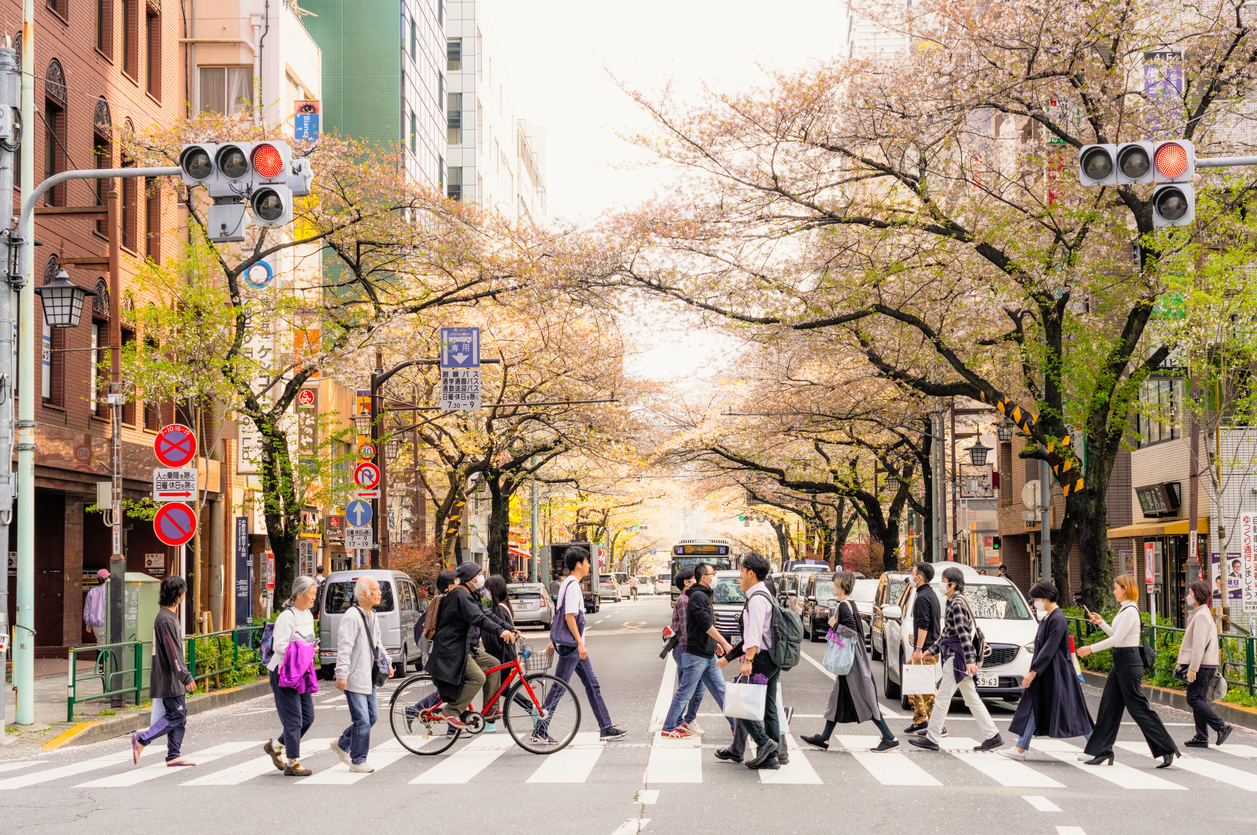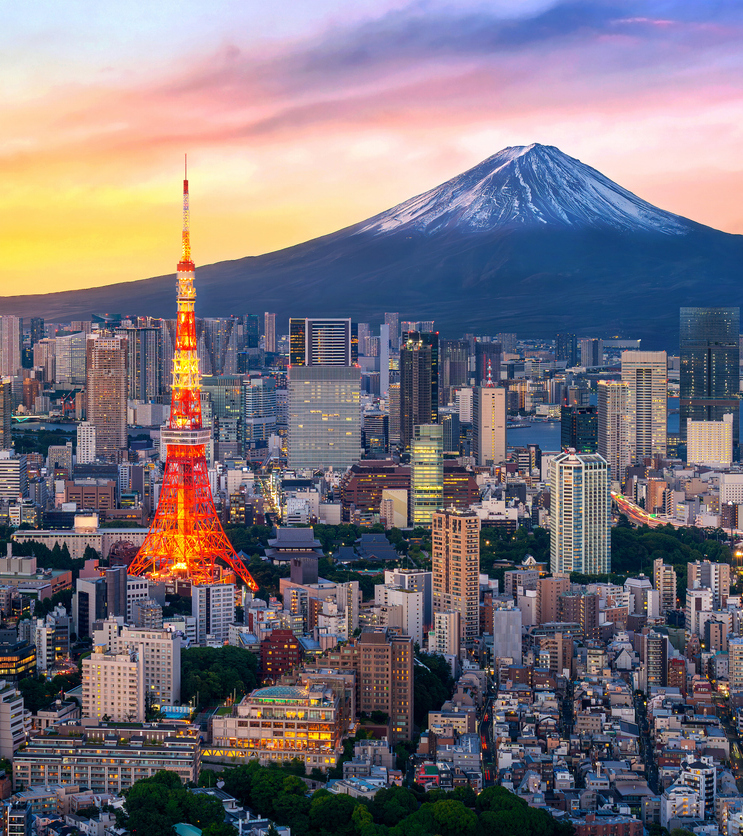


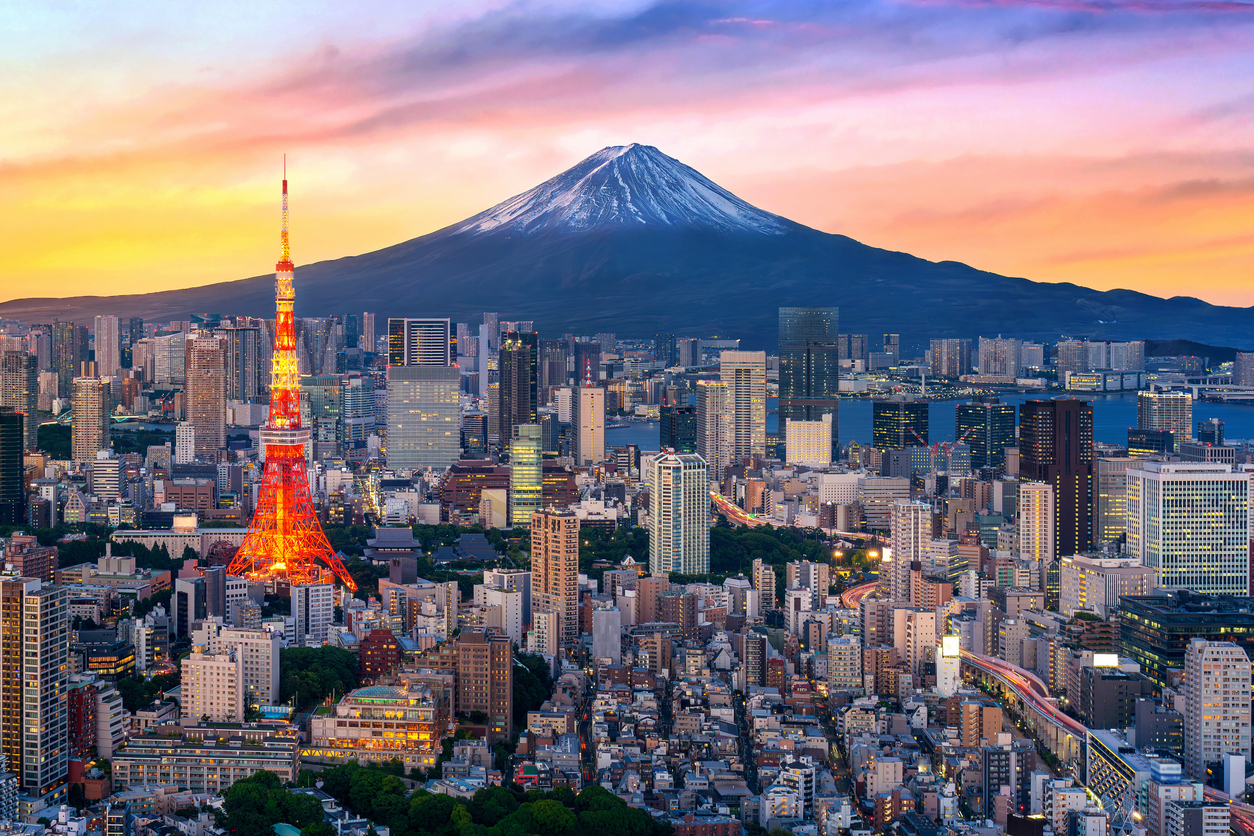
For decades, cities like Milan, Melbourne, and Seattle defined the trajectory of coffee culture. Today, however, Tokyo has emerged as one of the most compelling reference points. Its influence does not stem solely from quality—though the coffee is exceptional—but from the way the city approaches the entire experience with an almost philosophical rigor.
In Tokyo, coffee engages all the senses.
A cup is shaped by pace, posture, texture, sound, and atmosphere. The experience often feels quiet and deliberate, guided by precision and restraint. Drinking coffee here resembles a carefully composed sequence rather than a casual transaction. This depth of intention is what sets Tokyo apart and explains why its influence resonates so widely.
The city’s coffee culture is rooted in a long history, stretching from the kissaten cafés of the late nineteenth century to today’s specialty scene. That lineage continues to inform contemporary practices. While modern cafés may appear minimalist and globally styled, they retain a distinctly Japanese approach to hospitality—one grounded in attentiveness and care. Even the smallest interaction is treated as meaningful.
This mindset has become one of Tokyo’s most significant exports. Around the world, cafés are increasingly adopting not just Japanese tools or aesthetics, but its underlying philosophy: that coffee should feel intentional.
Tokyo also reinforces an idea that many coffee capitals once embraced but gradually diluted—that atmosphere matters as much as technique.
The kissaten tradition established a model built on patience, repetition, and environmental awareness. That legacy remains visible today. Industry observers have even traced connections between Japanese café culture and the global rise of third-wave coffee, noting its influence on brands like Blue Bottle and on the broader specialty movement.
At a time when specialty coffee elsewhere often prioritizes speed under the guise of craftsmanship, Tokyo offers a different rhythm. Brewing methods such as hand-drip service emphasize discipline and focus rather than nostalgia. The V60, introduced by Hario in 2004, has become a global symbol of precision, while brands like Kalita have elevated alternative brewing techniques. Even cafés that do not explicitly reference Japan frequently reflect its values: clarity, exactness, and respect for process.
This influence extends beyond technique into spatial design. Tokyo cafés demonstrate how even the smallest environments can feel complete. In a dense urban landscape, every element is carefully considered—the height of the counter, the lighting, the materials, the distance between barista and guest. Silence and negative space play active roles. Across the world, more cafés now mirror this visual language: clean lines, compact layouts, muted branding, and a sense of calm control.
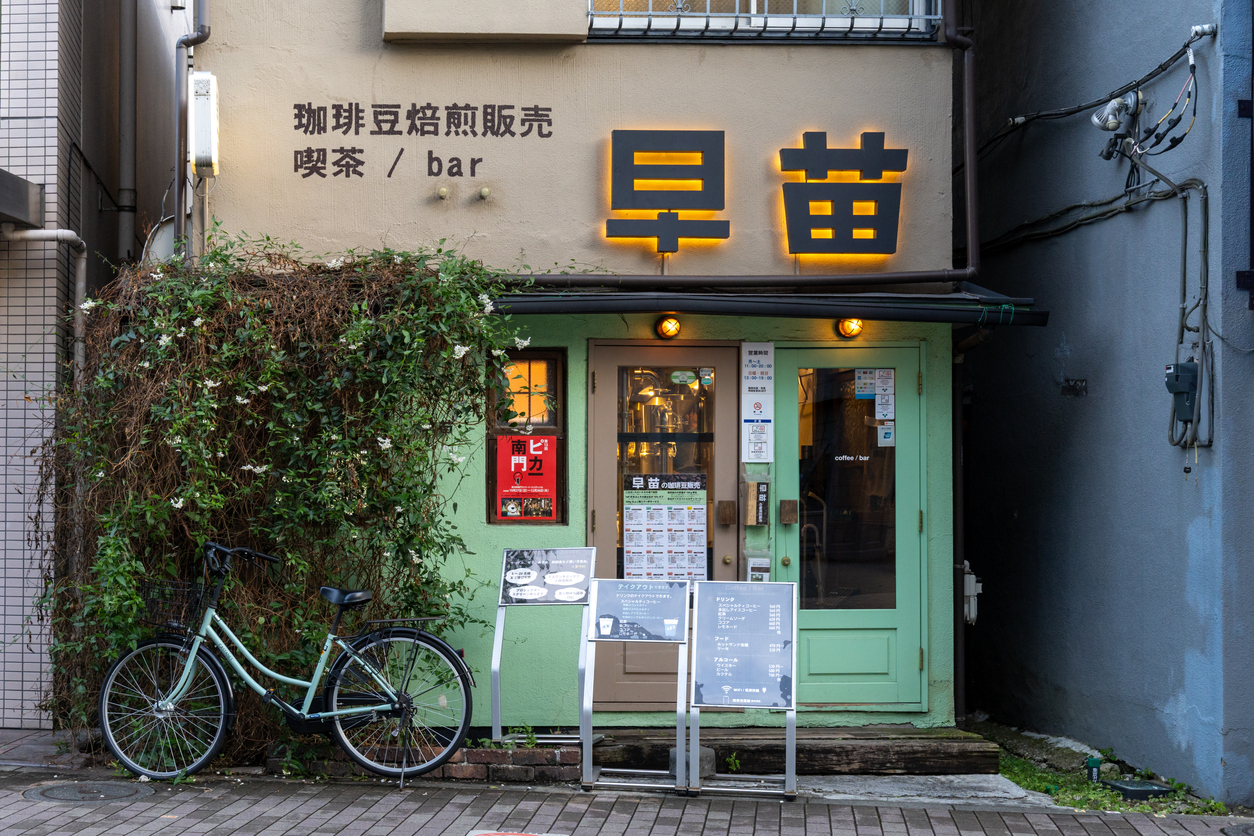
Tokyo’s impact is not purely aesthetic; it has reshaped the emotional tone of coffee culture.
In many places, expertise is performed loudly, often through branding or personality. Tokyo conveys authority through calmness and consistency. Precision does not need spectacle. Confidence can remain understated. This quieter expression of mastery has subtly redefined what sophistication in coffee looks like.
One of the clearest examples of Tokyo’s evolving influence is the rise of coffee omakase. Borrowing from Japanese fine-dining traditions, this format presents coffee as a guided, multi-course experience. Guests move through a curated sequence of flavors, techniques, and narratives, transforming coffee into something immersive and memorable. What began in Tokyo is now spreading to other cities across Asia and the United States.
Coffee omakase reflects a broader shift: a movement away from coffee as a product toward coffee as an experience. While global specialty culture has long focused on beans, origin, and extraction science, Tokyo adds layers of storytelling, ceremony, and pacing. Coffee is introduced, framed, and sequenced with intention, much like wine or tasting-menu cuisine. As a result, consumer expectations are changing. Quality alone is no longer enough; people increasingly seek perspective and meaning.
This shift arrives at a moment when global coffee culture is searching for renewed depth. After years of rapid expansion and visual homogenization, many cafés have begun to feel interchangeable. Interiors repeat, branding converges, and the language of craft loses distinction. Tokyo offers a compelling alternative by maintaining a strong sense of specificity. Each café can express a clear identity, each brewing style a philosophy, each space a unique atmosphere.
Part of this strength comes from Tokyo’s ability to layer rather than replace. Tradition and innovation coexist within the same ecosystem. Kissaten, siphon brewing, jazz cafés, minimalist specialty bars, and experimental tasting formats all remain relevant. This coexistence creates a depth that feels both rooted and dynamic.
Modernity does not require erasing the past; instead, it gains strength through dialogue with it.
Tokyo’s global impact ultimately lies in this broader redefinition. Rather than asking others to replicate its cafés, it expands the possibilities of what coffee culture can become when treated as a complete cultural form. The focus shifts toward the entirety of the experience—the gestures, the environment, the materials, the pacing, and the meaning embedded in each cup.
Coffee in Tokyo is never reduced to a single function. It carries intention, atmosphere, and narrative in equal measure. That holistic vision is what continues to draw attention from across the world.
As global café culture evolves, Tokyo stands less as a trendsetter and more as a reminder: when care, precision, and philosophy come together, even something as everyday as coffee can feel deeply considered. And in that sense, the future of coffee may indeed look increasingly like Tokyo.