

Not a Drink, but a Contemporary Manifesto
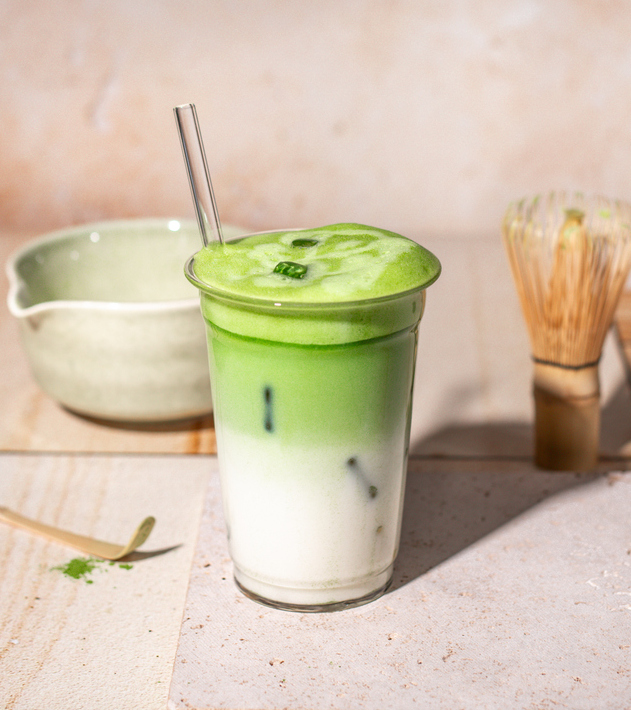
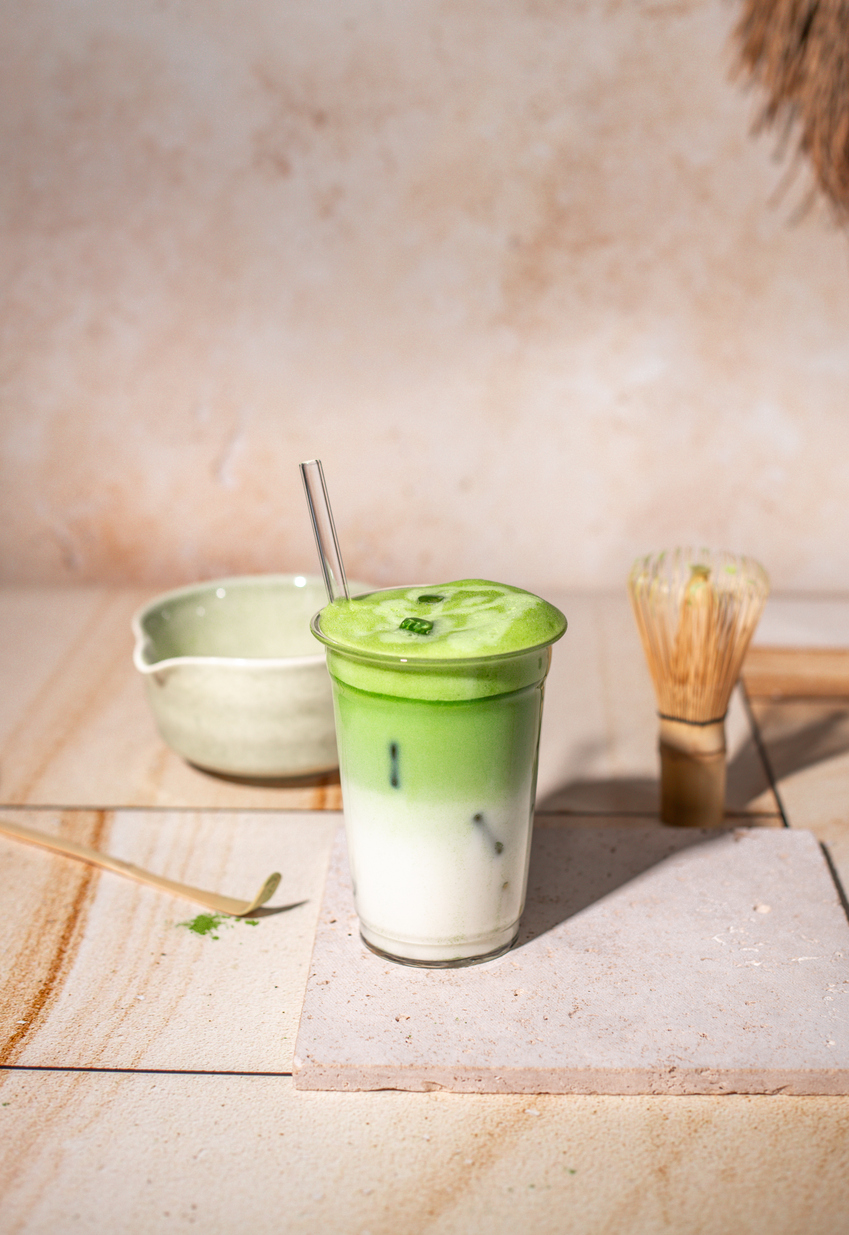
Drinking Matcha is not just “having a cup of tea”, but an entire visual system with morning light, a glass cup, milk foam, the color green, and sugar-free choices. Take a cup of matcha and put on headphones, you can do yoga or Pilates exercise, starting a day without excess.
Matcha become popular not simply because it tastes good. It thrives because it is made to be seen—to be photographed, shared, and imagined as a cleaner, more restrained, more tasteful way of living. In recent years, Vogue has increasingly framed matcha within the focus of ritual, beauty, and lifestyle, rather than merely as food.
“Matcha has never been just about flavor—it sells a lifestyle order that can be consumed, imitated, and admired.
It is health, but it is also a form of aesthetic politics.”
Why Has Matcha Become a Symbol of “Health”?
“Matcha didn’t become a health symbol as the healthiest drink. It did so because it tells the most compelling story about health.”
First, it feels gentler than coffee and less “guilty” than milk tea. Reports on global demand consistently note that Gen Z and millennials are searching for “healthier beverage choices”. Matcha might be healthier as a substitute for coffee: it energizes without the aggression of strong espresso, and without the guilt of having sugar-loaded drinks.
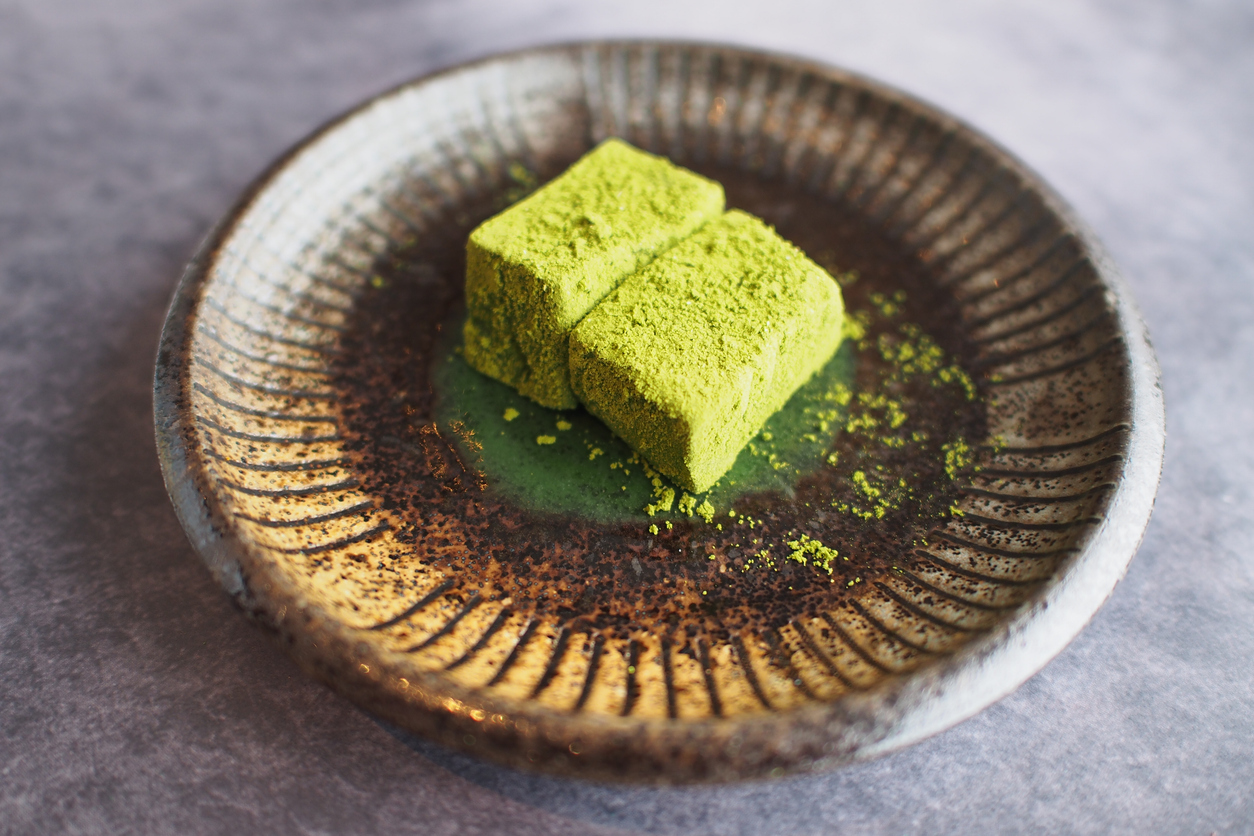
Second, matcha’s color does half the work. In visual culture, green is inseparable from ideas of nature, purity, minimal processing, balance, and healing, making matcha almost perfectly aligned with today’s wellness aesthetics.
Third, “antioxidants” give matcha a narrative that spreads like myth. In beauty discourse, labels such as antioxidants, catechins and polyphenols elevate matcha into something more than a drink. Whether it truly protects and transforms skin is secondary—the key is that it carries a modern, respectable, and easily reproducible narrative of health.
Why Suddenly Go Global?
Matcha itself is not new. As Vogue noted in 2025, it has existed in Japanese culture for centuries. What is new is that global consumer culture has finally built the stage it needs.
Social media has found its perfect visual drink: matcha’s color fits photos beautifully, the whisking process feels ritualistic, and the motions of stirring and pouring create an almost ASMR-like appeal. FT, Reuters, and AP have all pointed to social media and young consumers as key drivers of its surge.
Wellness has shifted from functional consumption to lifestyle consumption. People no longer just want to be healthy—they want to look like someone who lives healthily. Matcha operates less in the realm of nutrition than in that of identity.
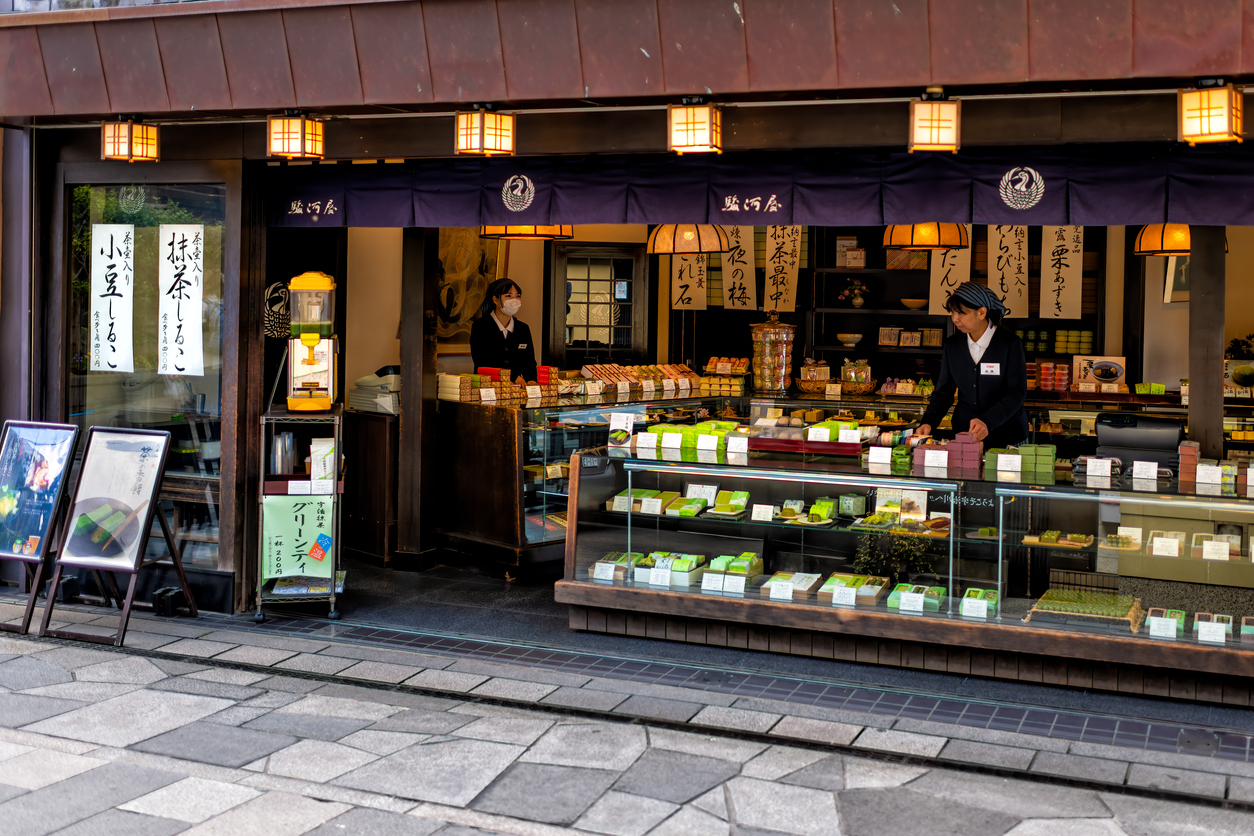
The long-accumulated “aura” of Japanese culture has also been re-monetized. Matcha carries with it Kyoto, tea ceremonies, handcrafted utensils, wabi-sabi aesthetics, and a sense of Eastern order. This built-in cultural capital allows it to upscale more easily than most functional drinks.
And in an era of economic pressure and consumption fatigue, people are drawn to small, expensive pleasures. A relatively pricey matcha latte becomes an affordable luxury—a daily indulgence that still feels elevated. Forbes in 2026 even framed the “$10 matcha latte” as part of a broader comfort economy.
Matcha didn’t suddenly explode—it was precisely ignited at the intersection of health anxiety, visual platforms, Eastern aesthetics, and micro-luxury.
What Is the Essence of Matcha’s Popularity?
Matcha is becoming trendy as health becomes fashionable, ritual becomes commodified, and restraint becomes aestheticized.
It visualizes self-discipline. Drinking matcha signals control: I avoid excess sugar, I manage myself, I understand ingredients, I choose better.
It represents low-burden luxury. Not Hermès or high jewelry, but something accessible today that still signals taste, threshold, and cultural awareness.
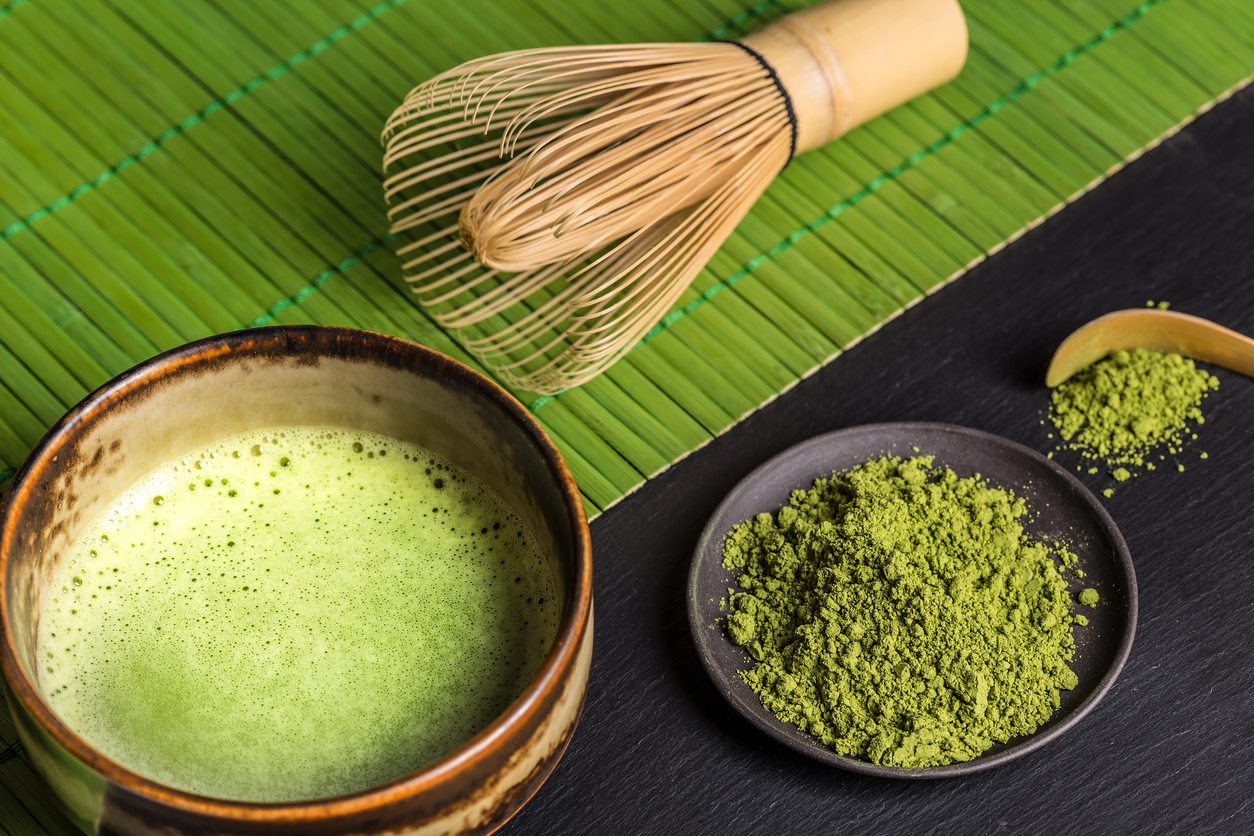
It embodies the ritual economy. The whisk, the ceramic bowl, the powder, the foam, the slow stirring—these steps turn matcha into a repeatable morning system of order. It sells not just a drink, but a ritual you can perform again and again.
It is performative wellness. Forbes in 2025 even used the term “performative matcha,” highlighting how it functions as a social signal as much as a beverage.
What Exactly Did Matcha Get Right?
It taps into health anxiety.
It aligns perfectly with the visual platform era.
It resonates with the aesthetics of “clean girl,” Pilates culture, and soft discipline.
It benefits from the global re-aestheticization of Eastern culture.
Will Matcha Fade?
Matcha may move from “viral trend” back to “everyday habit”, but what it represents will remain. People will continue to seek cleaner energy, more ritualized mornings, and drinks that express their personal lifestyle.
Vogue suggested in 2025 that matcha is transitioning from novelty to genuine appreciation. This may indicate that it is not merely a fleeting trend, but a lasting part of contemporary living.
What matcha truly represents is not just a tea, but a mood of the times: in a world defined by chaos, anxiety, and overload, people still want to whisk a little order into their lives—a little green, a little calm, something that feels, at last, like themselves.