

For a long time, the convenience store was defined by a singular, pragmatic identity: it was convenient. It was the destination for a midnight bottle of water, a frantic search for forgotten tissues, or a hit of caffeine before a dawn commute. Its value was purely transactional, a functional solution to the minor frictions of daily existence. It existed to fill gaps, not to fulfill needs.
Yet, in recent years, a subtle but profound shift has occurred. These brightly lit glass boxes have transcended their retail roots to become something far more sophisticated and soul-deep. People now drift into them with no urgent shopping list and no utilitarian goal. They enter to pause, to linger, and to breathe. Amidst the organized rows of rice balls and the steady hum of the refrigerator, the convenience store has quietly evolved into one of the most essential contemporary forms of comfort—a secular sanctuary for the urban soul.
A convenience store does not just sell products. It sells the feeling of a city holding you.
That shift makes sense. Urban life has become increasingly fragmented. Work is fast, relationships are fluid, more people live alone, and daily life is often built on temporary structures. Not everyone returns to a warm, stable home at the end of the day or has someone familiar waiting for them. In that kind of city, the convenience store begins to matter in a different way. It offers a tiny kind of refuge that is low-pressure, low-cost, always open, and emotionally undemanding.
The Aesthetic of Stability and Recognition
Much of the emotional weight of the convenience store stems from its radical stability. No matter how chaotic or unpredictable the outside world feels—whether through political upheaval, professional failure, or personal grief—the interior of a convenience store remains a sanctuary of absolute order. Once you step through those sliding doors, the environment is curated for total predictability. The lighting is unapologetically bright, erasing the shadows of the street. The aisles are crisp and clear. The shelves are stocked with a satisfying, rhythmic symmetry. The rice balls are exactly where you expect them to be. The coffee machine waits in its designated corner with mechanical loyalty.
This familiarity is more than just efficient; it is deeply soothing. In a world obsessed with the "disruptive" and the "new", we often forget that what heals us most is not surprise, but recognition. The convenience store offers the relief of being a place where you simply know what to do.
The Sovereignty of the Unquestioned
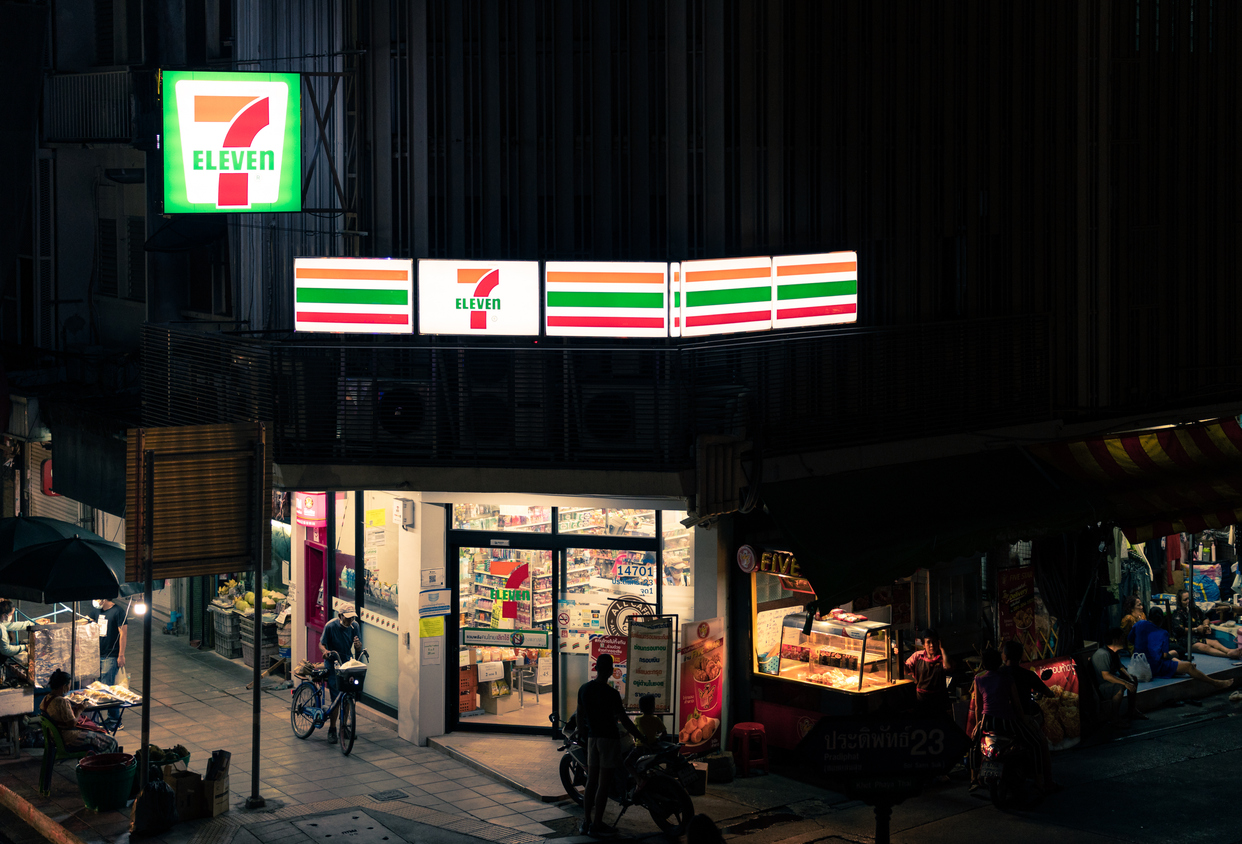
One of the gentlest and most sophisticated forms of care provided by these spaces is the absence of interrogation. The convenience store is perhaps the only place in the city that does not ask for your "why". It does not ask why you look exhausted, why you are alone at 3:00 AM, or why you have decided to buy a single pint of ice cream and nothing else. It remains open, its light spilling onto the sidewalk, receiving every visitor with a silent, non-judgmental acceptance.
In a society where almost every interaction feels like a demand for performance or an exchange of social capital, this lack of curiosity feels unexpectedly intimate. You are momentarily absorbed into a stable infrastructure, being held for a rare type of urban intimacy—one that is felt but never spoken.
High-Functioning Care: The Rice Ball and the Coffee
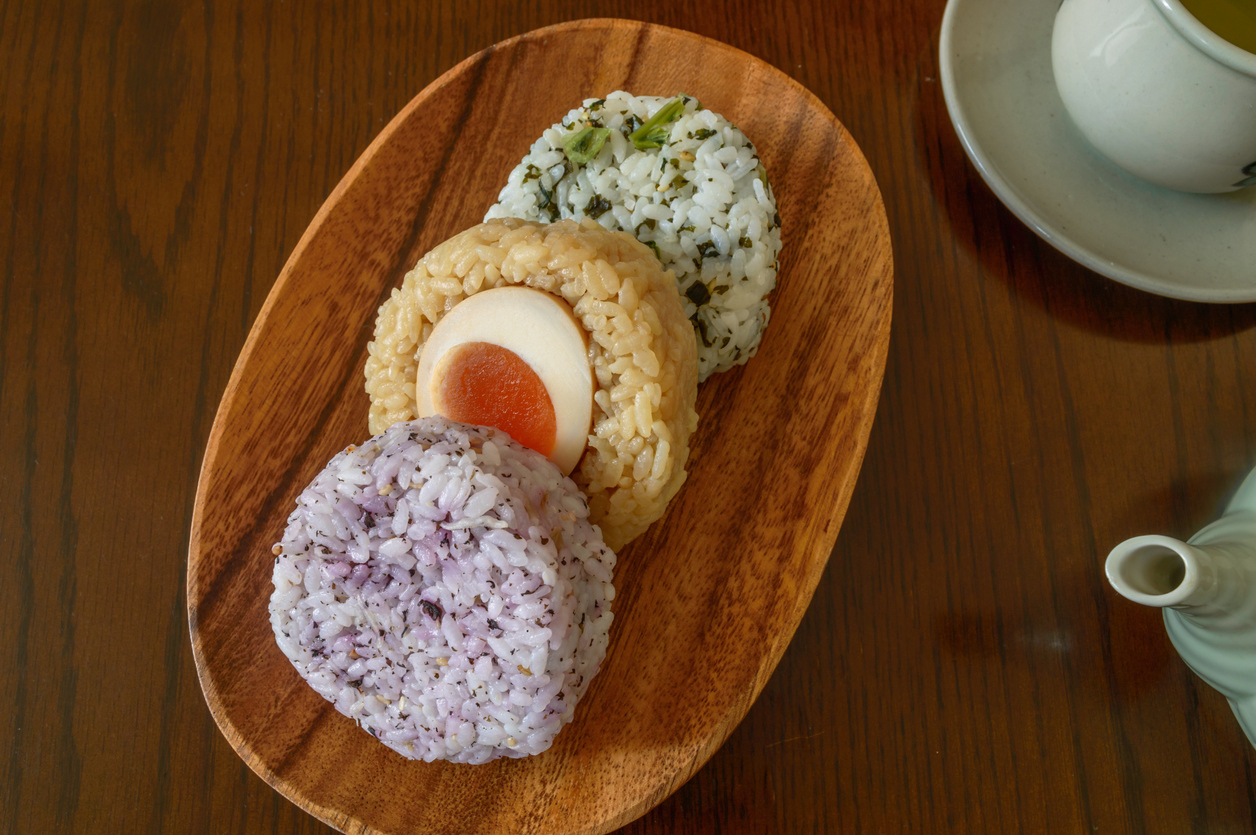
Within this neon sanctuary, certain items have become symbols of quiet urban care. Consider the humble rice ball. It is not gourmet; it would never be mistaken for a Michelin-starred meal. Yet, it is affordable, immediate, and strangely reassuring. It is a "functional luxury" for the spirit. There is no need of a plan, reservation or a companion. You do not even need to sit down properly to eat it. You simply reach for it, and the evening suddenly feels slightly more manageable.
The same logic applies to convenience-store coffee. Not a hand-poured, artisanal experience staged for an Instagram feed, but it is a paper cup of heat that is available precisely when your internal resources are low. On a cold night or after an overwhelming shift, this cup of coffee can feel more emotionally precise than a drink three times its price. These items are just enough to pull a fractured person back together.
Solitude as a Status Symbol
The convenience store is a masterclass in the sovereignty of solitude. While the city’s restaurants and bars demand social performance, this space allows you to exist alone without feeling exposed. Whether you’re drifting through the aisles or lingering by the coolers to avoid a silent apartment, your isolation is never magnified. It is the ultimate low-pressure sanctuary—an essential piece of emotional infrastructure where you are casually accepted without having to be aspirational, social, or "on".
The New Wellness: Affordable and Immediate
While mainstream "wellness" has been commodified into elite retreats and branded self-care kits, the convenience store offers a radical, democratic alternative. It provides a form of high-functioning comfort that is immediate, on-demand, and entirely unpretentious. This is the most modern iteration of luxury: a sanctuary that doesn’t promise a dramatic life transformation, but simply offers a lit, predictable corner of the world that remains unbothered by your presence.
Ultimately, its true resonance lies in a quiet reassurance that the city hasn't closed itself off from you. It doesn't solve a life; it helps you survive a night. In a fractured world, the ultimate luxury isn't the most beautiful space—it’s the one that stays open, providing a steady, neon-lit refuge for whenever your day becomes too untidy to handle alone.