

For a long time, boredom was treated as a problem. It was something slightly embarrassing and need to fix quickly, something that suggested you had failed to fill your life properly. A quiet afternoon, a long train ride, ten minutes alone in a café, a Sunday with nothing planned. All of these moments once carried a faint discomfort, as if emptiness itself needed an immediate solution. So we learned to eliminate it, reached for our phones almost automatically, and filled every small pause with messages, videos, playlists, updates, or low-level forms of mental occupation. The goal was not even pleasure anymore. It was simply to avoid the feeling of being left alone with unstructured time.
That is why boredom is becoming attractive again.
Not boredom in the old sense of restlessness or frustration, but boredom as a rare and almost luxurious condition.
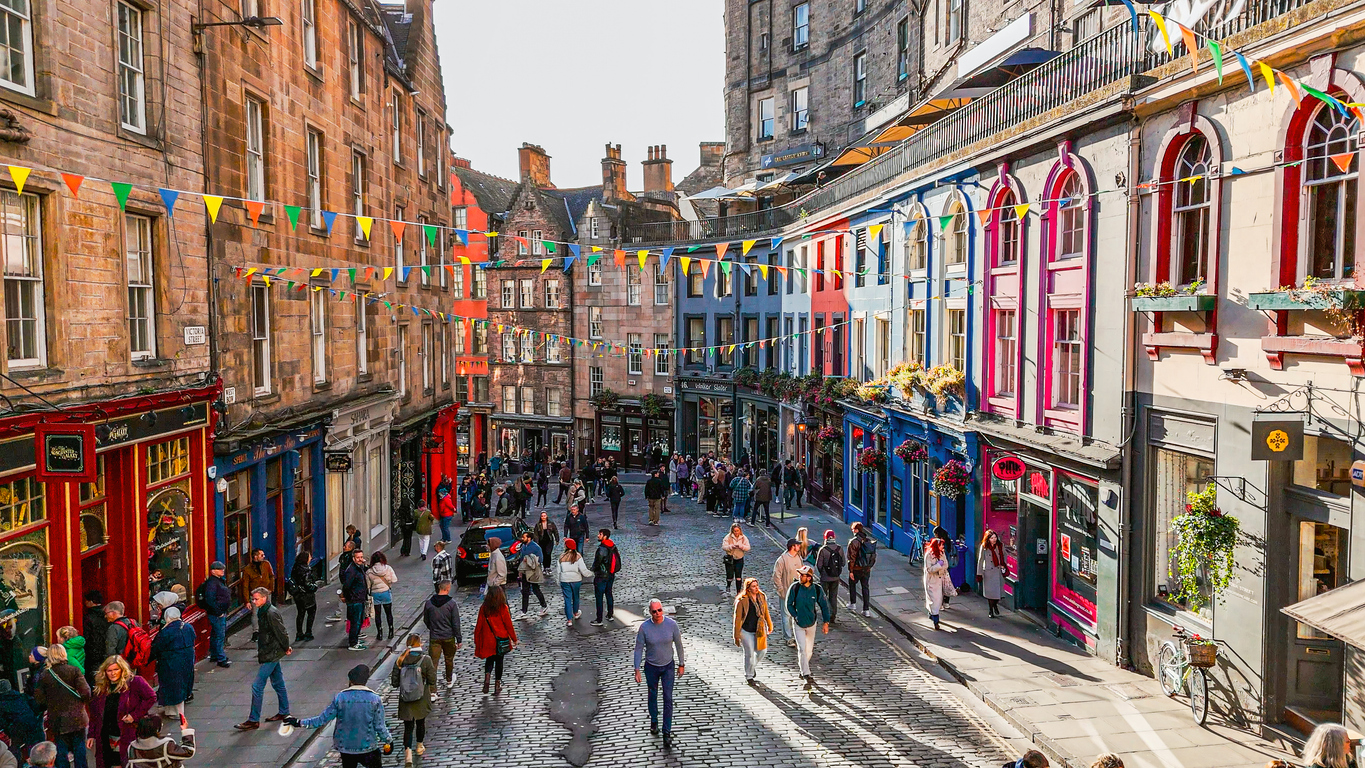
More and more people seem drawn to experiences that would once have sounded unremarkable or even pointless: walking with no destination, staring out a window, sitting in a park without listening to anything, wandering through a bookstore buying nothing, folding laundry slowly…Most of these activities are not dramatic and would not register as “content”. And yet they are beginning to feel newly desirable because they offer something modern life rarely provides: mental space that has not already been claimed.
That is the first reason boredom feels different now. It has become scarce.
Modern life contains many small empty moments, but very few are allowed to remain empty for long.
The architecture of daily existence is now designed to prevent drift. There is always something to click, read, answer, refresh, or consume. Even when people are not technically working, they are often still mentally occupied. Attention is constantly being pulled outward by interfaces that are built to erase silence before silence can even be noticed. The result is strange. We are surrounded by stimulation, yet many people feel vaguely undernourished. We are rarely bored in the traditional sense, but we are also rarely at rest.
That helps explain why scrolling does not feel like satisfaction.
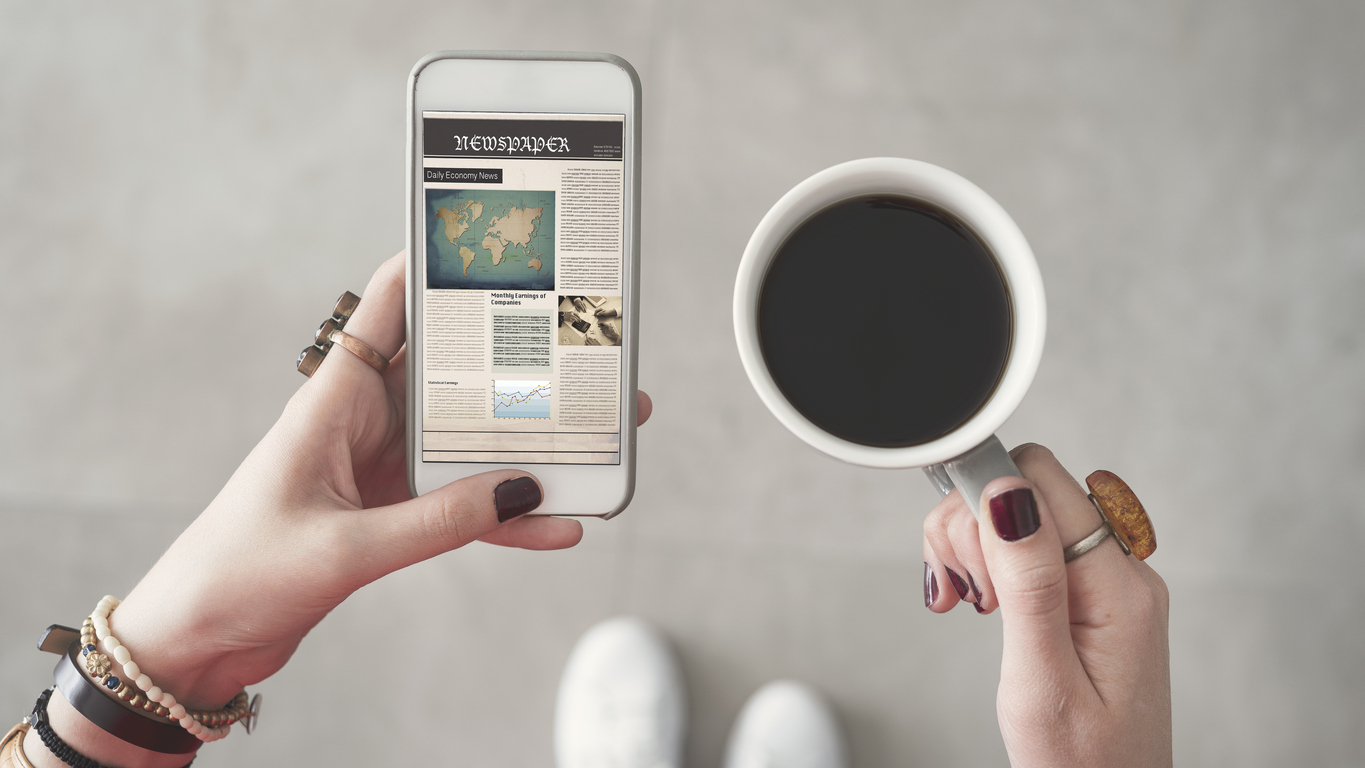
Smartphones are masterfully engineered to fill our time, yet they rarely fulfill it. They provide a glossy veneer over our emptiness, leaving us feeling aesthetically nourished but spiritually thin. After twenty minutes of mindless scrolling, the boredom may have vanished, but it hasn't been replaced by clarity. Instead, we emerge fragmented—more mentally noisy, more restless, and increasingly hollow. We are in constant contact with stimulus, yet entirely detached from experience.
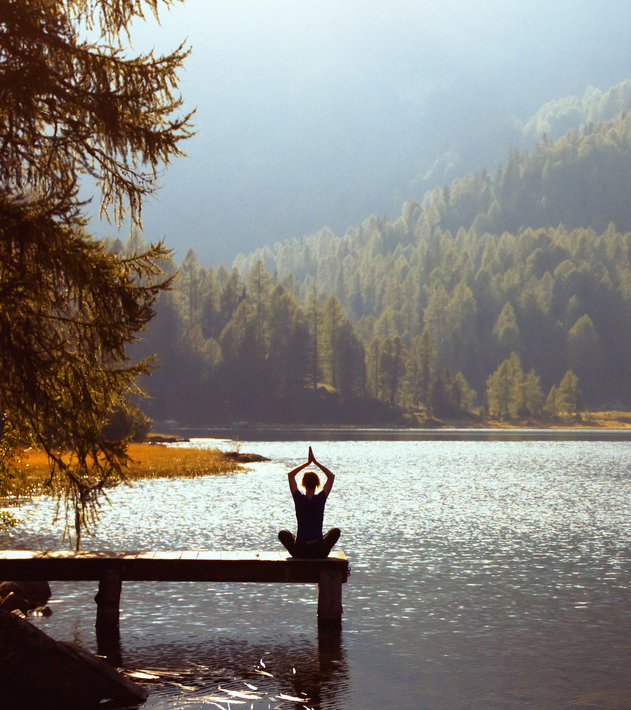
Boredom, by contrast, is a radical act of presence. It demands that we stay in the room with ourselves long enough for a deeper kind of attention to emerge. Boredom isn't inherently profound; rather, it is the curative space where depth is born. When the mind isn't being force-fed content, it begins to wander, metabolizing life rather than merely reacting to it. In that stillness, creativity, grief, and desire finally find the room to breathe.
This is why we are seeing a cultural pivot toward the "suspiciously uneventful". Low-stimulation acts—washing dishes, aimless walking, or sitting in a café with a blank notebook—have transformed from chores into secular sanctuaries. These moments of repetition and slowness return us to a human scale of experience.
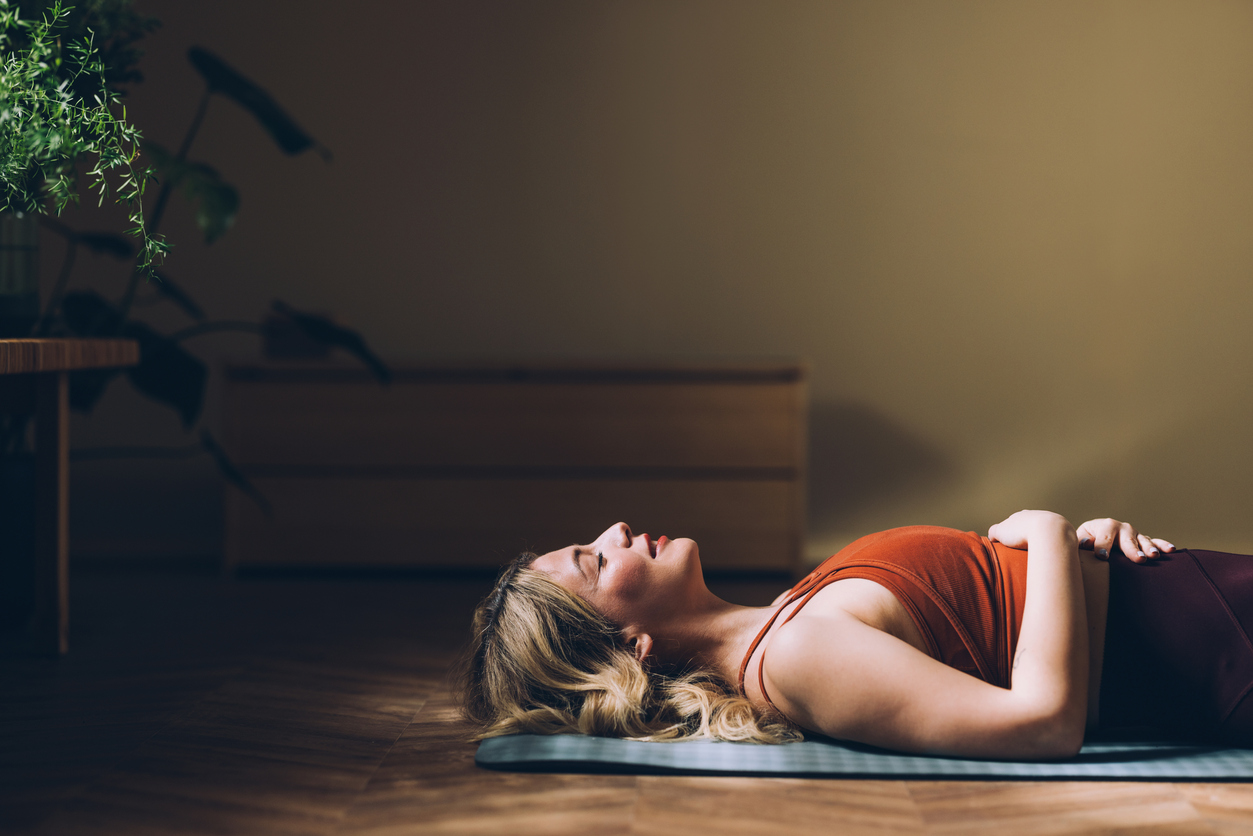
The modern fascination with boredom isn't about a love for emptiness; it is a form of quiet resistance.
It is a refusal to let every spare second be colonized by the logic of optimization or monetization. To remain bored is to reject the idea that every gap in consciousness must be plugged. There is a certain elegance in this patience—a high-status tolerance for silence and incompletion. In a world defined by rapid-fire response, the ability to remain un-distracted is the ultimate flex.
There is, of course, an aspirational dimension to this. To be "bored well" requires a margin of security—a life not entirely dictated by urgency or survival. Consequently, boredom has become a hallmark of lifestyle culture, signaling not just leisure, but an interior spaciousness. A person who can sit still without reaching for a screen appears to possess something increasingly rare: the sovereignty of their own attention.
We aren't longing for blankness; we are longing for a life lived at a lower temperature.
We crave moments where life isn't pushed toward performance or productivity, but simply allowed to unfold.
The new luxury isn't endless access or a stack of curated experiences. It is the ability to leave space unfilled. It is the freedom to let a thought move slowly enough that it actually becomes a thought, rather than just a reflex.
Boredom is no longer the absence of life; it is the last frontier where life can actually be felt.