

Over the past few years, the logic of healthy drinks has started to change. People are no longer impressed by “low-calorie” or “low-sugar” labels alone, and they are increasingly skeptical of beverages that arrive with too many promises attached. The new wellness drink does not want to look like a laboratory formula. It tends to be quieter, cleaner, and closer to nature. Birch sap fits that mood almost perfectly. It is not a brand-new discovery at all — birch sap has long been consumed in parts of Northern and Eastern Europe, as well as parts of northern China — but it is now being rediscovered and repackaged for a much wider health-conscious market.
Part of what makes birch sap so appealing right now is that it feels like the next step after coconut water, but with a colder, more niche, more botanical aura.
Coconut water has already gone fully mainstream. Birch sap still carries the freshness of something not everyone has adopted yet. Its image is like more forest than beach, more early spring than tropical lifestyle. That difference matters. Consumers are not only buying hydration anymore. They are buying atmosphere, identity, and a more refined version of wellness. Mintel has explicitly framed birch juice as an emerging health-drink trend, and broader beverage trend coverage continues to place birch sap within the growing category of plant-based and functional hydration.
Birch sap arrives at a moment when many people seem exhausted by overly engineered health language.
Functional beverages have become crowded with dense ingredient lists, aggressive benefit claims, and the constant promise of optimization. Birch sap looks less effortful. Even when carefully branded, it still appears to come more directly from nature than from formulation culture. That alone gives it an advantage in a market where “natural” and “clean label” have become powerful emotional cues, not just nutritional ones. Industry reporting on the birch-water category has repeatedly emphasized this appeal: naturalness, low intervention, and a more understated kind of function.
Of course, birch sap would not enter the health-drink conversation so successfully without some nutritional storyline behind. Public-facing nutrition overviews commonly point to minerals and antioxidant compounds in birch sap, and Healthline notes that it is particularly rich in manganese while generally low in calories and sugar. That same overview is careful about the limits of the evidence: many of the more glamorous claims surrounding skin, hair, or broader wellness effects still need stronger human research. In other words, birch sap has enough nutritional credibility to sound convincing, but not enough to justify being treated as miracle water.
Birch sap’s rise says something larger about wellness culture today.
Nowadays, people like shopping for a feeling: that they are choosing something lighter, cleaner, more restrained, and somehow less compromised by industrial excess. Birch sap works because it fits contemporary health aesthetics so neatly. It is clear, lightly sweet, plant-derived, and visually understated. Trend reporting in functional foods and beverages reflects that wider shift, with consumers moving toward drinks that promise hydration, balance, and botanical credibility rather than blunt, high-intensity transformation.
Another reason why birch sap is desirable is scarcity. Unlike mass-produced soft drinks, birch sap is typically harvested during a narrow seasonal window in early spring, when trees begin to move sap after winter freeze. That seasonality gives it a built-in sense of rarity. Older category coverage emphasized just how short the harvest period can be, and trend reporting continues to describe birch sap as something tied to climate, thaw, and careful collection rather than unlimited year-round production. In a consumer culture obsessed with products that are exclusive, local, and time-sensitive, that seasonal constraint becomes part of the allure.
Its cultural positioning is also unusually flexible, which makes it especially attractive to lifestyle brands. Birch sap can be framed as ancestral, rural, traditional, sustainable, or modern and functional, depending on the market. It can be sold as folklore or as future wellness. That combination is rare. Many drinks are either old-fashioned or trend-forward; birch sap manages to feel like both at once. Coverage of the category repeatedly leans on this duality: centuries-old use on one side, contemporary functional-drink innovation on the other.
More importantly, birch sap fits a quieter shift in wellness itself — from hard correction to soft maintenance.
Consumers care about their body, but many are less interested in products that feel punishing, hyper-optimized, or medically theatrical. They want things that imply support rather than intervention. Birch sap, with its delicate taste and almost transparent visual identity, is aligned with that mood. It presents itself as a small, almost elegant adjustment. That difference may be one of the biggest reasons it resonates now.
At the same time, the rise of birch sap reveals one of the central contradictions of contemporary wellness culture: the more a product emphasizes nature, the more easily nature itself becomes a luxury script. A liquid once tied to local seasonal practice gets translated into clean branding, functional packaging, premium pricing, and a larger story about purity. It means that in the modern beverage market, success depends not only on composition but on narrative. Birch sap is becoming popular not just because of what it contains, but because of what it symbolizes.
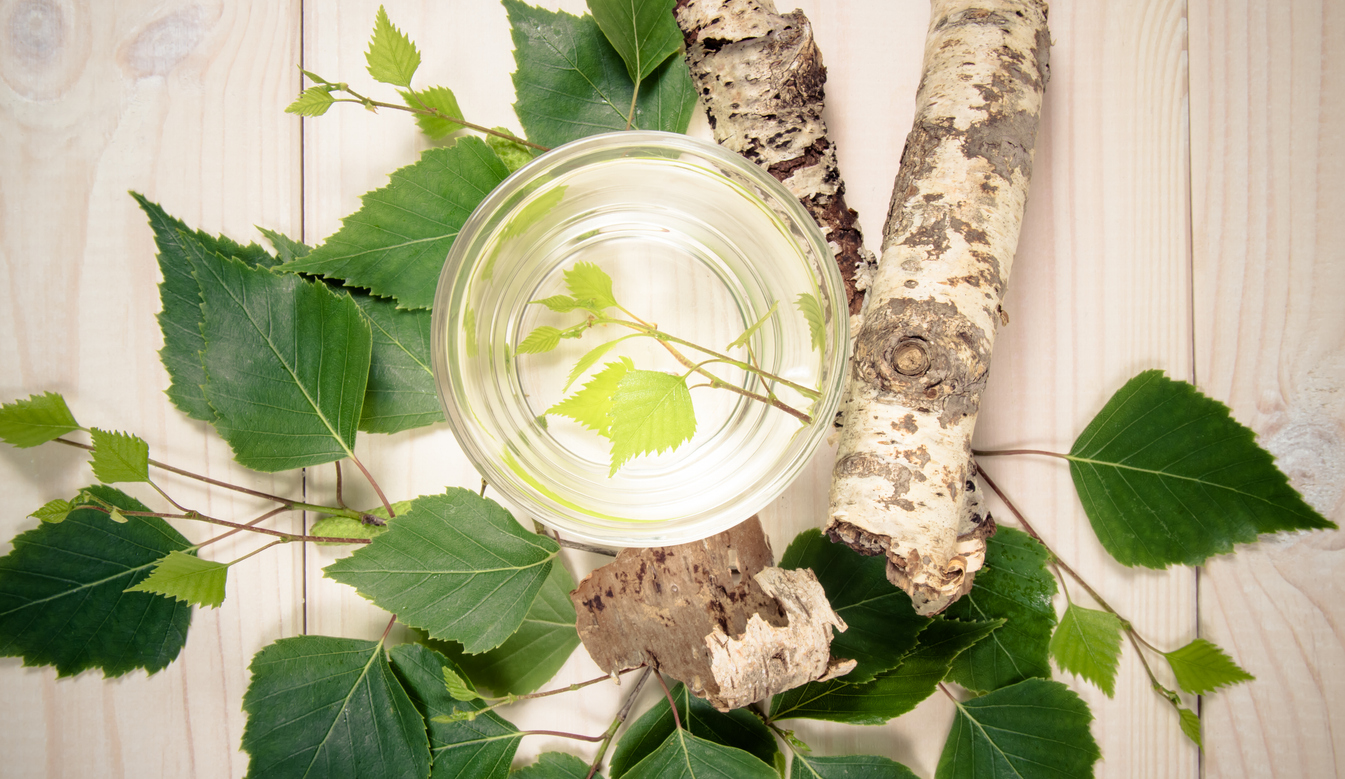
So why is birch sap becoming the new health drink?
Probably because it arrives at exactly the right cultural moment. People are tired of beverages that overpromise, tired of sweetness that feels heavy, tired of health language that sounds too aggressive. Birch sap offers something cool, quiet, minimally processed, and just obscure enough to feel sophisticated. It makes health look less like discipline and more like atmosphere. And that, increasingly, is what people seem willing to buy.
What birch sap really sells, in the end, is the feeling that in an overheated, overflavored, overexplained world, something can still seem light enough, clean enough, and close enough to nature to feel almost untouched.