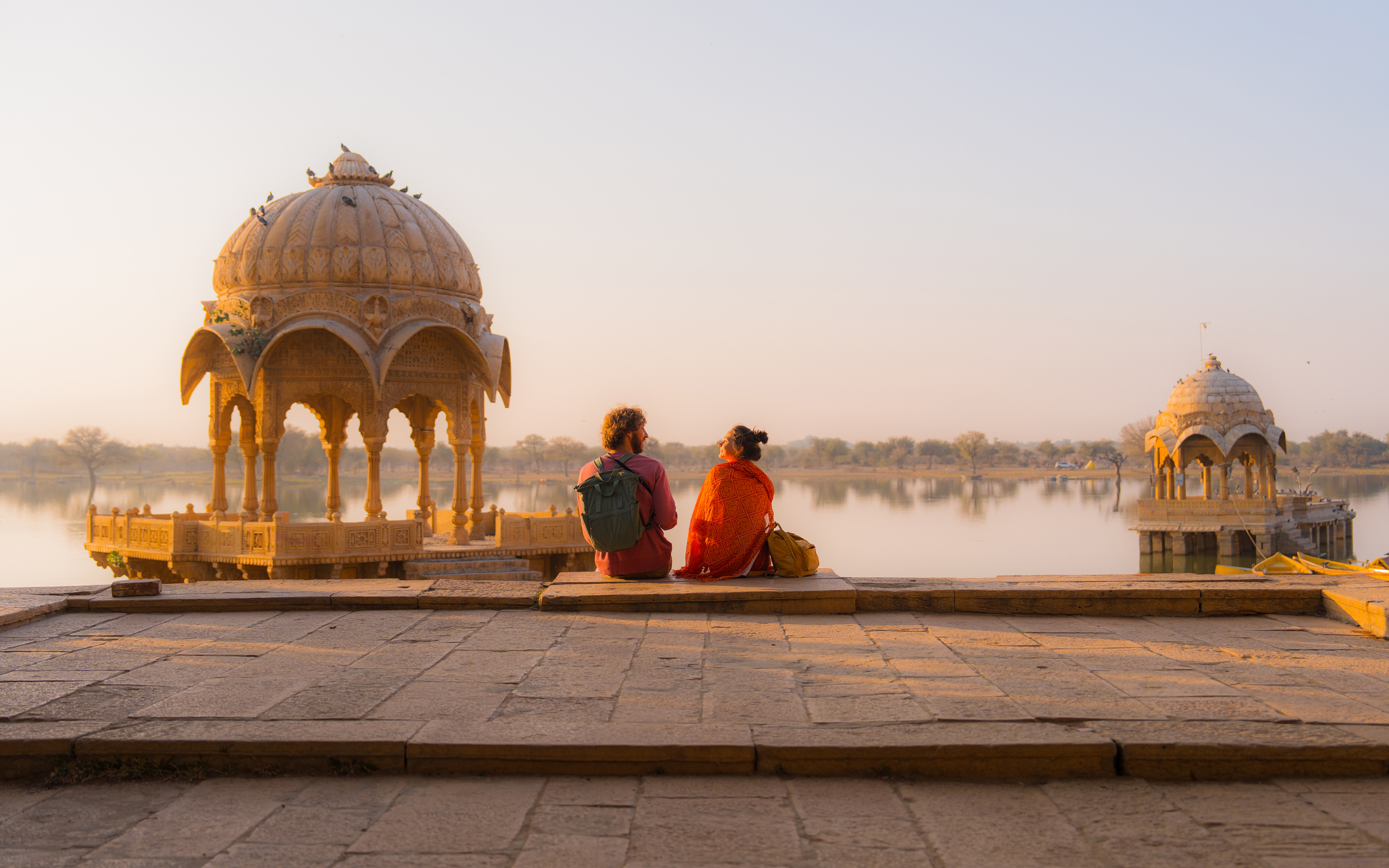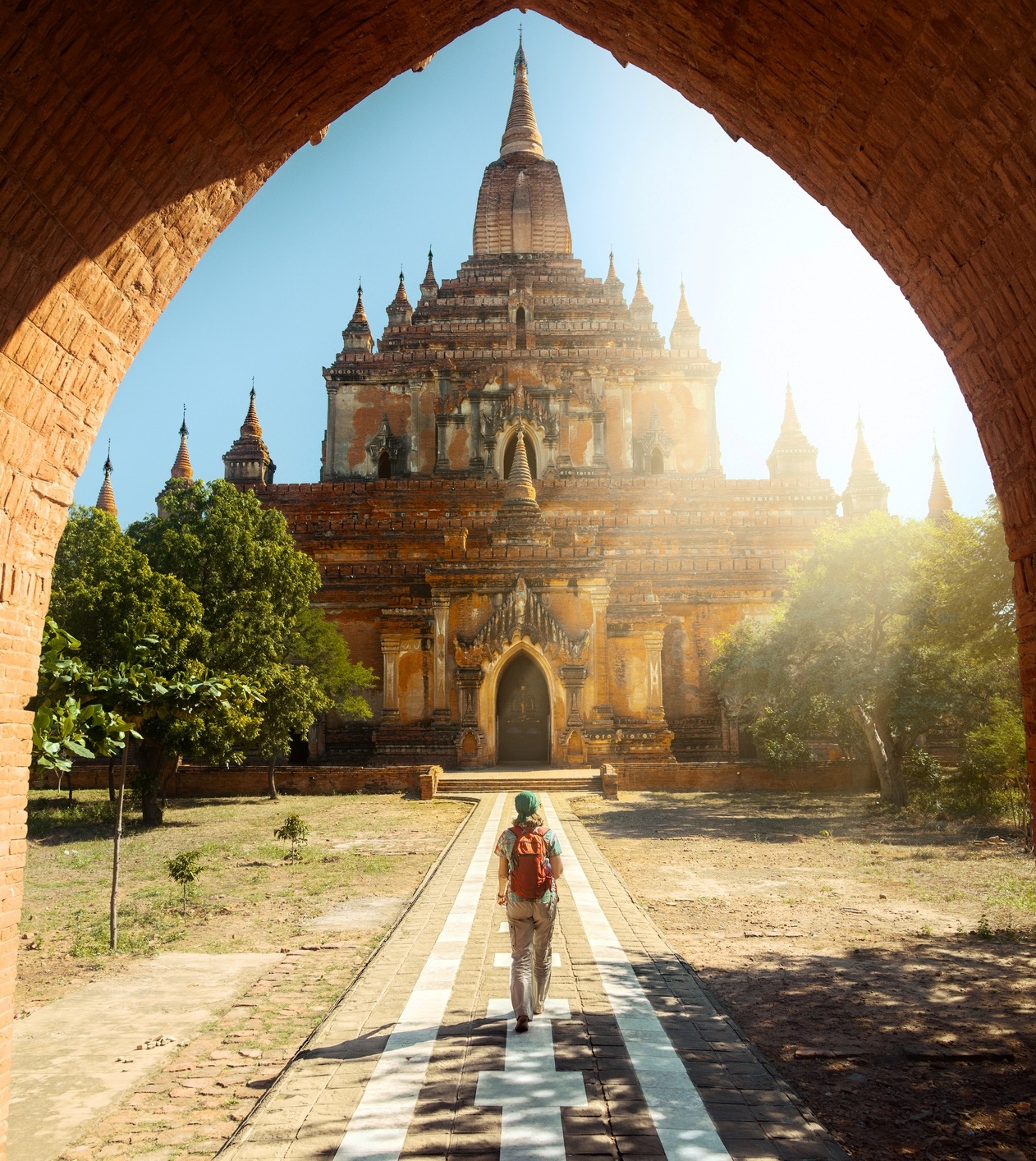


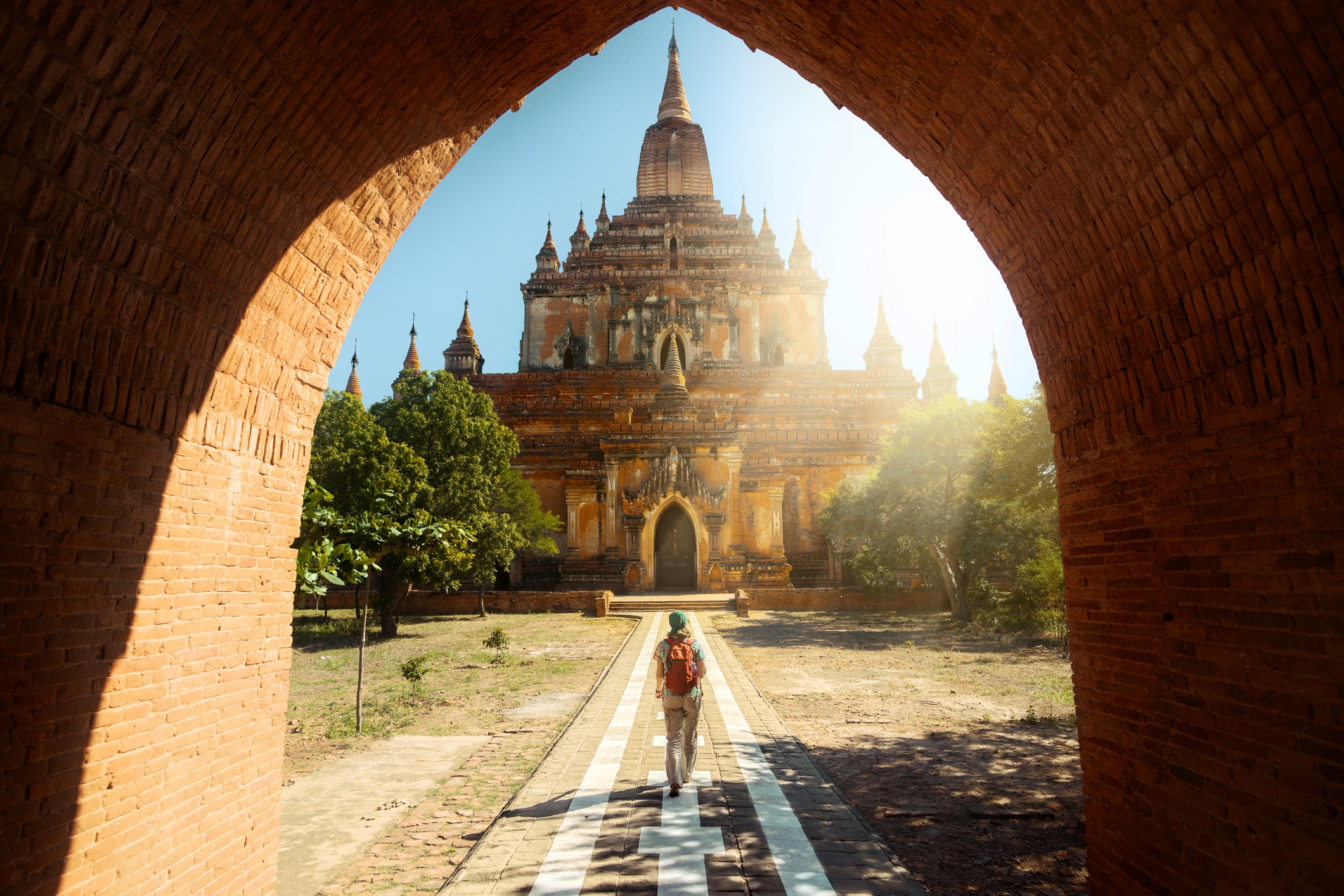
 In recent years, a subtle new kind of travel has been gaining ground: more and more people are choosing to spend their vacations at temples.
Not necessarily as pilgrims or out of religious devotion. And often not even in search of spiritual transformation in the grand, dramatic sense. Many go for something quieter. They go to stay for a few days, to move more slowly, to be a little less reachable, overstimulated, and visible. Faith draws them, but the possibility of stepping into a space where nothing is also asking them to constantly produce, respond, improve, consume, or perform.
Temple travel is strikingly modern. It’s religious and cultural tourism, while it has become, for many people, a form of emotional travel — a way of resting not only the body, but the self that modern life keeps demanding from us.
What makes a temple vacation so appealing is not the temple alone. It is the alternative rhythm it offers.
People are not just tired. They are tired of being managed.
One of the reasons temple vacations resonate right now is that contemporary life has made even rest feel like a task.
Travel, especially in urban life, is often sold as escape. But in practice, many vacations end up looking like optimized. Restaurants to book, scenic spots to document, photos to take, posts to upload...
Temples offer a different logic.
Temples’ power lies precisely in its stillness. The stone paths, wooden halls, incense smoke, bell sounds, early morning air, long pauses, and unspoken routines, all seem to operate outside the usual language of modern leisure. A temple does not ask, “How can we maximize your experience?” It asks something much gentler, and much rarer, “Can you be here without needing to turn every moment into something?”
Temples offers something most people find access to: permission to do less.
Modern life has trained us to treat ourselves like ongoing projects. We manage our bodies, careers, and emotions to be scheduled. Even wellness is often framed as a kind of productivity — a better morning routine, a more efficient recovery process, a more intentional life.
Temple is one of the few spaces where that entire logic weakens. No need to be witty, polished, efficient, or particularly self-aware. No one is asking whether you are making progress. Here, it permits you to do less.
People often think those who visit temples are looking for answers. But more often, they may simply be looking for a place where they do not have to answer anything right away. Temples allow anxiety to exist and uncertainty to remain.
That is a rare kind of freedom.
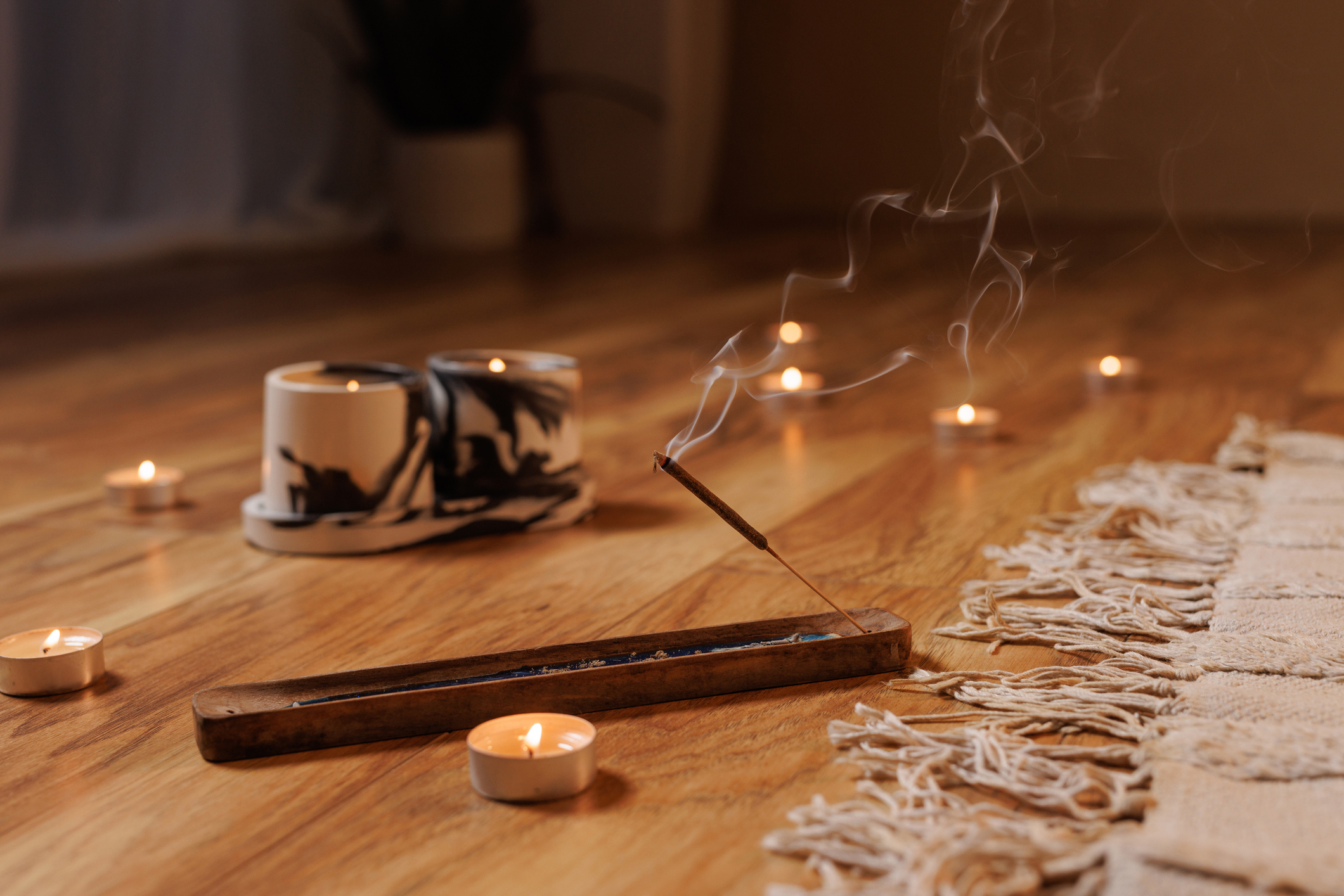
Temple vacations feel different from other forms of “healing travel” because they are less eager to sell healing.
Over the past decade, healing has become a language of consumption. There are wellness retreats, sound baths, silent camps, forest therapies... However, many forms of healing have become overproduced. Carefully packaged, heavily explained, aesthetically branded, and often a little too eager to reassure you that transformation is taking place.
Temples are different.
Temples do not insist on delivering a breakthrough for healing. They are simply there: old, patient, unhurried. The trees, incense, hallways, stone, shadows, silence — all existed before you arrived and will remain after you leave. That stability matters for real heal from the deep heart. Its calm does not come from branding, nor from religious revival. It comes from time.
There is also an aesthetic reason: contemporary taste.
People are increasingly tired of experiences that are too branded, too saturated, too full of visual insistence. More and more, there is a longing for spaces that feel quieter, more restrained, less desperate to be admired. Wood, stone, paper, incense, courtyards — the visual language of the temple aligns almost perfectly with this shift.
Temple beauty does not announce itself. Its elegance lies in subtraction.
Much of modern anxiety is, at its core, a crisis of excess: too much information, noise, comparison, urgency. Temple spaces offer a different sensory order, reducing the excess until it becomes possible to hear your own thoughts, no longer being constantly interrupted.
This is part of why temple vacations resonate with younger travelers as much as older ones. They feel newly aligned with a more restrained idea of luxury — one that values atmosphere over opulence, silence over access, texture over spectacle.
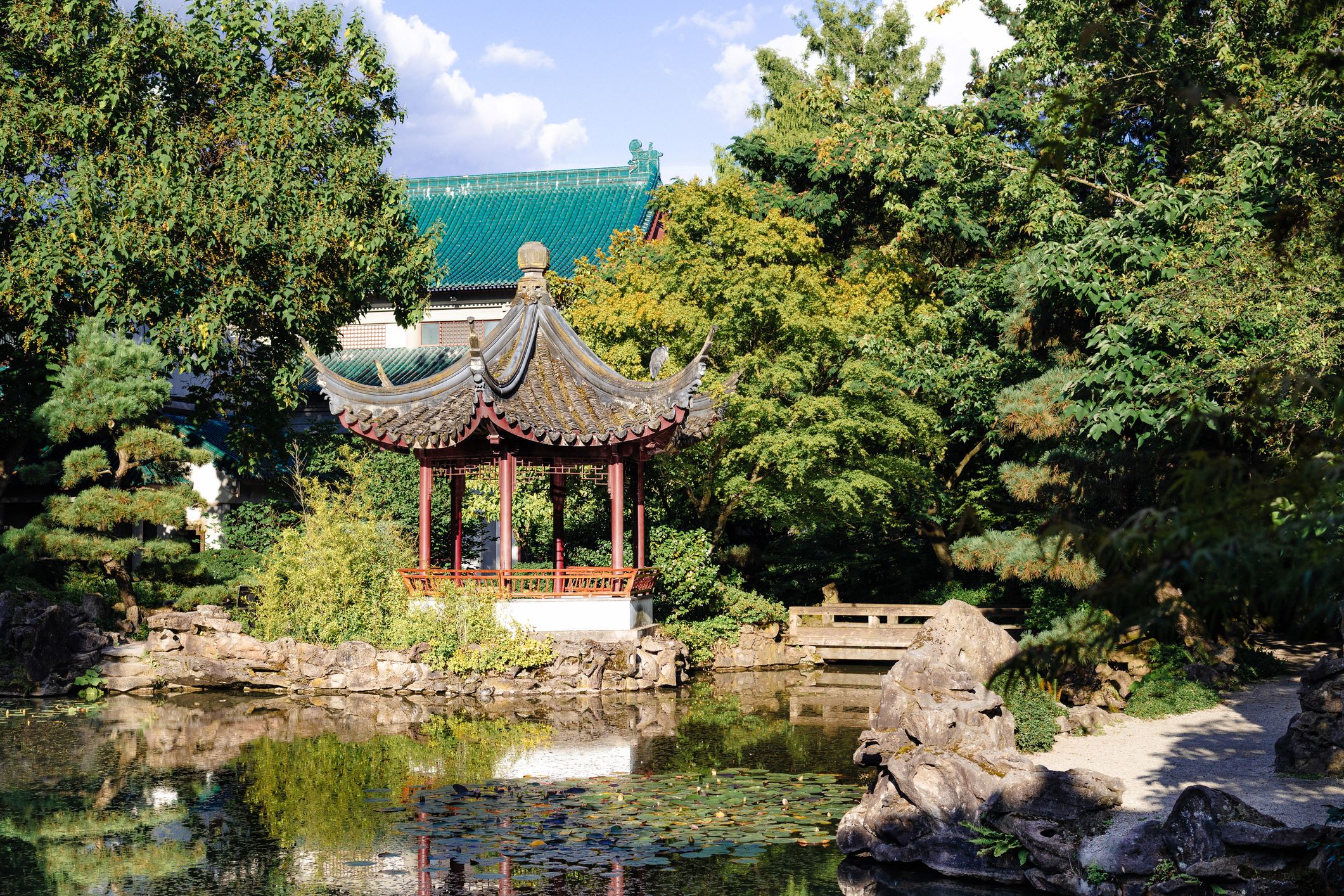
The popularity of temple vacations says something larger about how people are redefining rest.
For a long time, rest was imagined as an escape through pleasure. But increasingly, people begin to understand that real rest is not always about adding enjoyment. Sometimes it is about subtracting friction.
Temple vacations are not a niche curiosity, nor just another social media trend. They reflect a deeper cultural shift. People are rethinking what travel is for, what healing means, what quiet offers, and what kind of experiences are actually restorative.
In a world built on acceleration, visibility, and endless response, temples offers something rare: the feeling that you are allowed to slow down without having to justify it.
And that may be one of the most luxurious forms of travel available now.
So what are people really looking for when they go?
Permission to be quiet.
Permission to be slightly unreachable.
Permission to stop narrating their lives so aggressively.
Permission to step outside the exhausting demand to always be emotionally articulate, socially responsive, and visibly engaged.
Temples cannot erase all living pressures. But they can give people a temporary but powerful feeling that they do not have to respond to everything all at once.
For many, the feeling is enough to make a journey meaningful.