
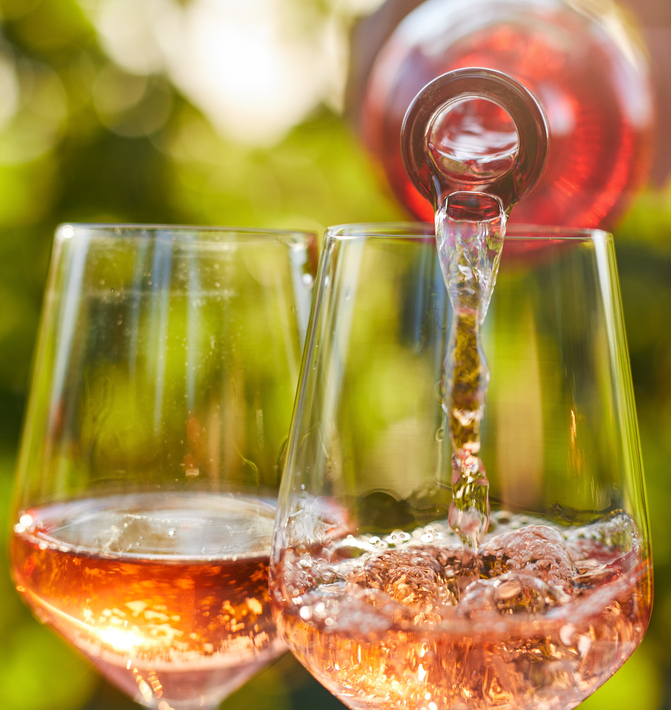


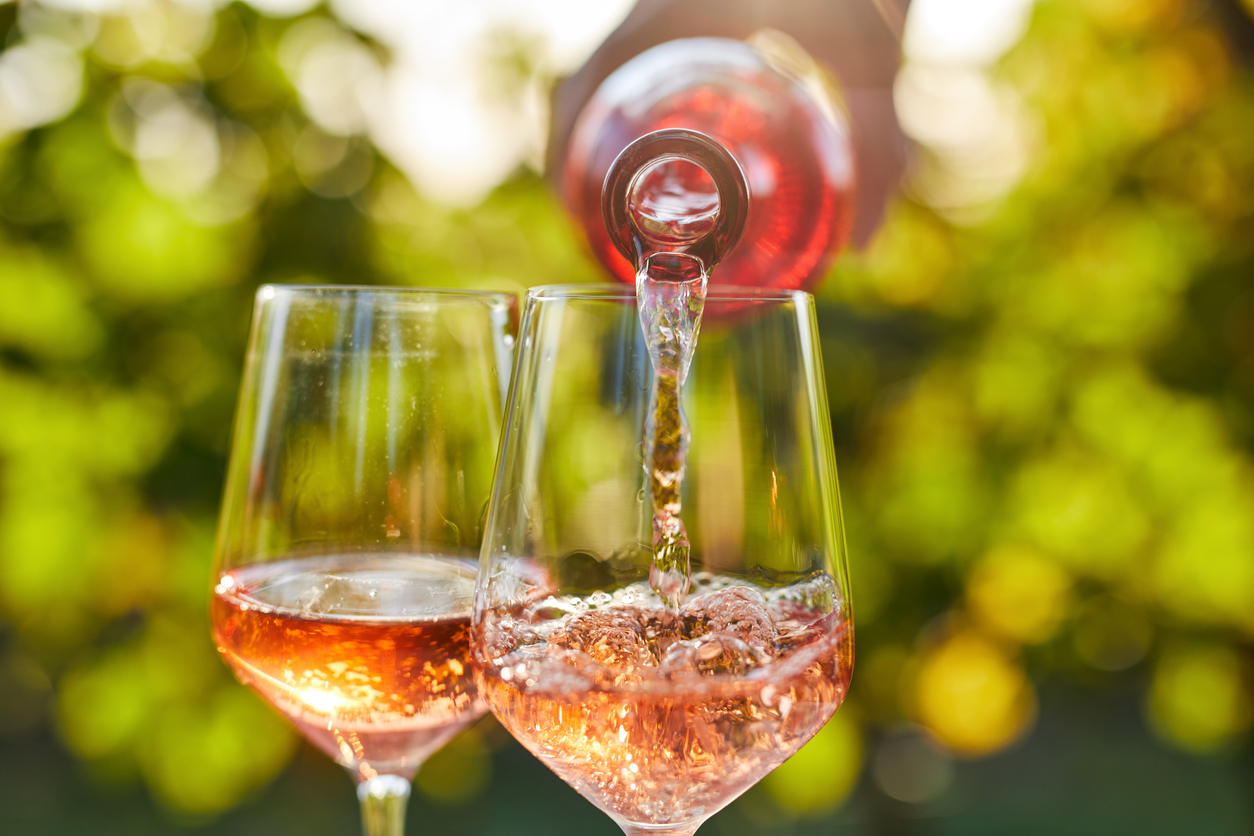
Over the past few years, natural wine has slowly moved from niche wine lists and independent restaurants into something much harder to ignore. It has become a social signal, a lifestyle marker, and even a quiet form of self-definition. The people who gravitate toward natural wine often seem to share a certain sensibility: a cultivated eye, a suspicion of anything too polished, and a desire to live just slightly outside the logic of mass standardization.
Part of natural wine’s appeal is that it is never entirely perfect.
It can be cloudy. It can be unpredictable. It may carry sediment, funk, acidity, or a slightly wild edge that resists the clean vocabulary of traditional wine education. Natural wine feels alive, shifting with temperature, air, timing, and mood. It becomes fashionable as a new flavor profile, and also as its popularity reflects a broader cultural turn: a growing fatigue with things too engineered, too overmanaged. Instead, people are drawn to objects, spaces, and experiences that feel more honest, more textured.
The rise of natural wine is a mirror held up to the emotional and aesthetic desires of the present moment.
Natural wine is not really selling flavor. It is selling doubt about perfection.
If traditional fine wine has long stood for hierarchy, expertise, rules, and institutional taste, natural wine feels like its counter-language. It draws value from the opposite belief: that the less corrected a thing appears, the more life it seems to contain.
People no longer fully trust surfaces that are too smooth. Faces that are too edited, brands that are too polished, lifestyles that look too optimized all begin to feel suspicious. Perfection, once aspirational, can now read as sterile. Natural wine turns variation into the point. What people are drinking, then, is not just fermented grape juice. They are drinking a story about land, climate, labor, intuition, and chance, something that appears less manipulated and therefore, in the imagination of contemporary consumers, more real.
Natural wine fits the emotional mood of city life now.
Natural wine’s rise has everything to do with the emotional texture of urban life. Today’s consumers, especially younger ones in big cities, live inside a contradiction, being pushed to perform efficiency while also performing individuality.
Natural wine slips perfectly into that tension. Its softness turns tension into conversation. This turn appears just as easily at a dimly lit dinner, an opening night at a gallery, a neighborhood bistro, or a friend’s apartment gathering. Natural wine has moved from the language of agriculture into emotional lifestyle. It satisfies several contemporary desires at once: taste, aesthetics, sociability, personal attitude, and a sense of release from more rigid forms of consumption. That is part of what makes it so attractive.
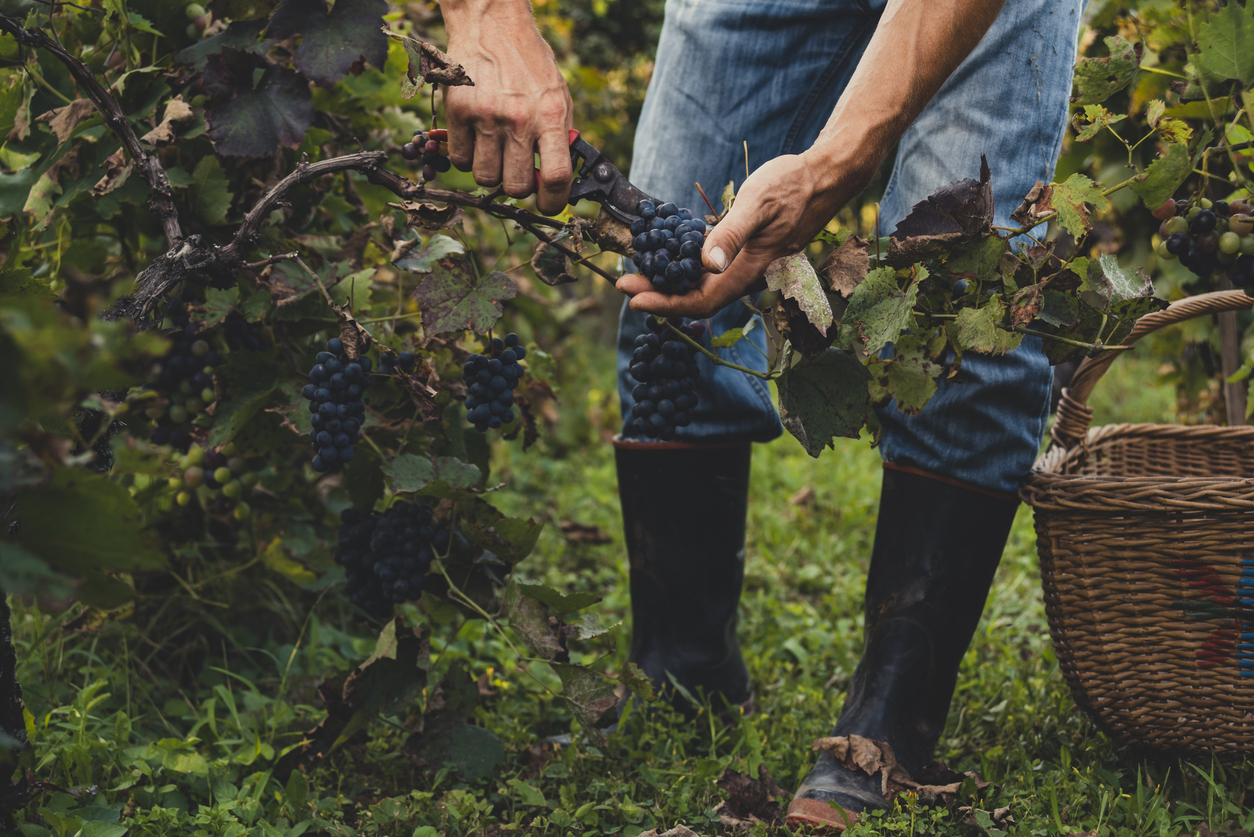
Despite being “natural”, the real appeal is that it resists standardization.
What really gave natural wine momentum is not just its “nature”. It is that it speaks directly to a much larger longing for things that feel less standardized.
The world has been optimized. Coffee has extraction charts. Skincare has ingredient systems. Fitness has data dashboards. Even self-expression becomes pre-formatted. In this sense, products that still appear to carry unpredictability, personality, and local character is natural to lead popularity.
Natural wine answers that desire. It appears to be liquid in the bottle, showcasing farming and taste, but it is just as much about a larger fantasy of stepping, however briefly, outside the regime of perfect answers. It is a small cultural rebellion against industrial smoothness and mainstream sameness. Not a loud or revolutionary, but subtle and highly consumable.
Why does natural wine so easily become a symbol of taste?
Traditional wine culture is built on appellations, vintages, classifications, and authority. Natural wine belongs to a different universe—one of small producers, low intervention, locality, and independence. It aligns naturally with fashion, design, art, and contemporary urban culture.
Notice where it appears: not in formal dining rooms, but in curated, intimate spaces—communal tables, candlelight, ceramics, vinyl. It does not rely on luxury, but on sensibility. It suggests that the person choosing it has a unique point of view.
That is why natural wine works as a marker of contemporary taste. It does not signal status loudly, but quietly expresses discernment: not the most expensive, but the most interesting.
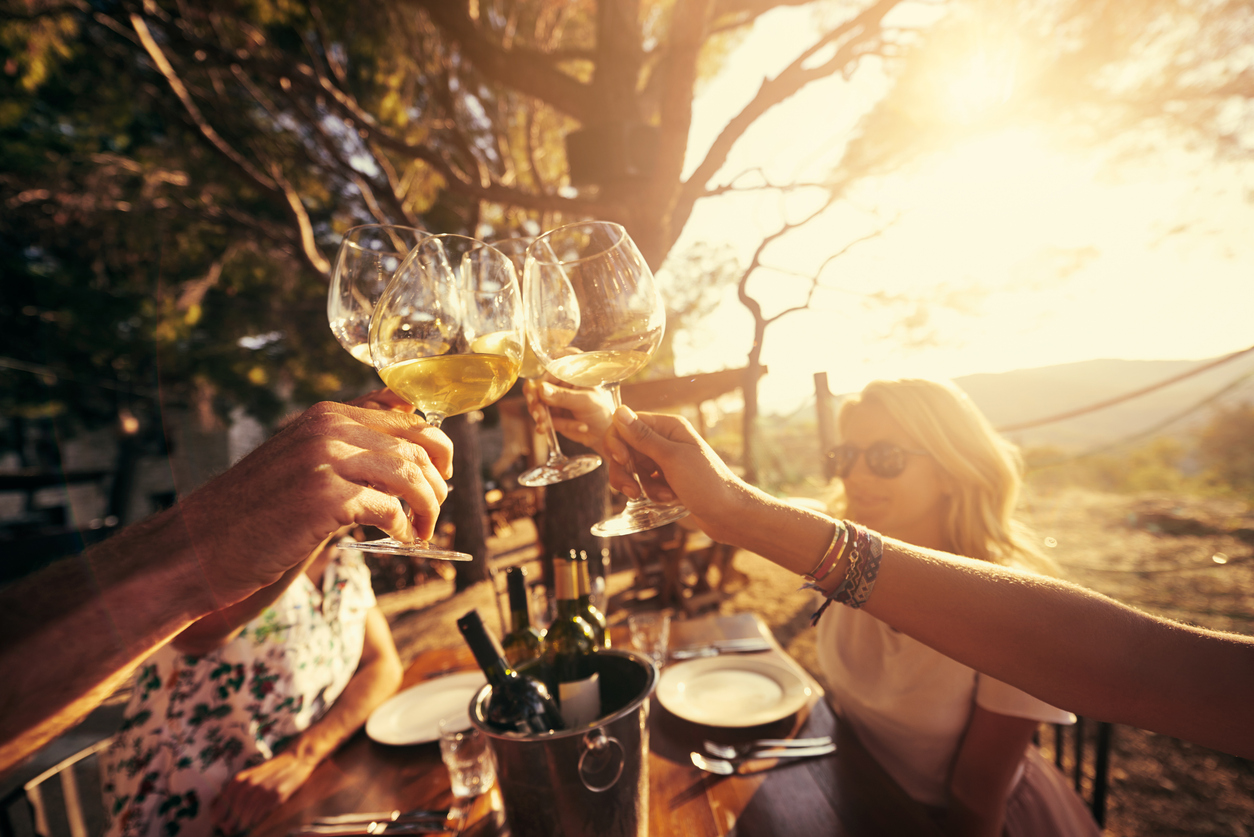
But natural wine also carries a built-in contradiction.
The more natural wine positions itself against the mainstream, the more easily it becomes a new mainstream symbol. What began as resistance can quickly harden into style, making it fascinating.
The quick style transformation does not make it inauthentic. It reveals a broader pattern: something is discovered, becomes a trend, and is then adopted as identity. Natural wine simply makes this cycle visible. It started as a reaction against industrial taste. Now it can also function as an aesthetic choice within urban life. And yet, this contradiction between different tastes deepens rather than weakens its meaning. Natural wine shows how badly contemporary consumers want alternatives to the overly standardized world, even if those alternatives are quickly repackaged into new forms of style.
What makes natural wine so addictive is not just the alcohol.
What people are drawn to is not just the drink, but the idea it carries: a life that feels less controlled, less standardized, more open to imperfection and human judgment. A life where irregularity is not a flaw but part of the beauty.
In a world that demands everything be faster and smoother, natural wine remains attractive because it preserves uncertainty—and that uncertainty feels real. So its rise is not just about wine. It reflects a broader desire to step outside overly optimized systems, even briefly.
Natural wine offers that drift.
A slight detour.
An elegant form of refusal.
And maybe that is what people are really ordering when they ask for a glass.