

The Singapore Botanic Gardens often feels like a vast green island hidden in the middle of the city.
At the entrance, tall tropical trees rise in clusters, their canopies stretching overhead and breaking sunlight into soft fragments. As Singapore’s first UNESCO World Heritage Site, added to the list in 2015, it carries the stature of a global landmark, yet it never feels formal or imposing. Instead, it draws people out of the city’s pace in a natural, unhurried way.
Walk a little further in and the air turns damp with a clean, leafy scent, like a version of the city rinsed by rain. Many visitors begin at Swan Lake, a quiet surface so clear it holds reflections with ease. Black swans and white swans glide across the water, while people sit on nearby benches, doing nothing more than watching the gentle movement of the lake. Created in 1866, Swan Lake is one of Singapore’s earliest ornamental water features, and its calm carries the steadiness of time.
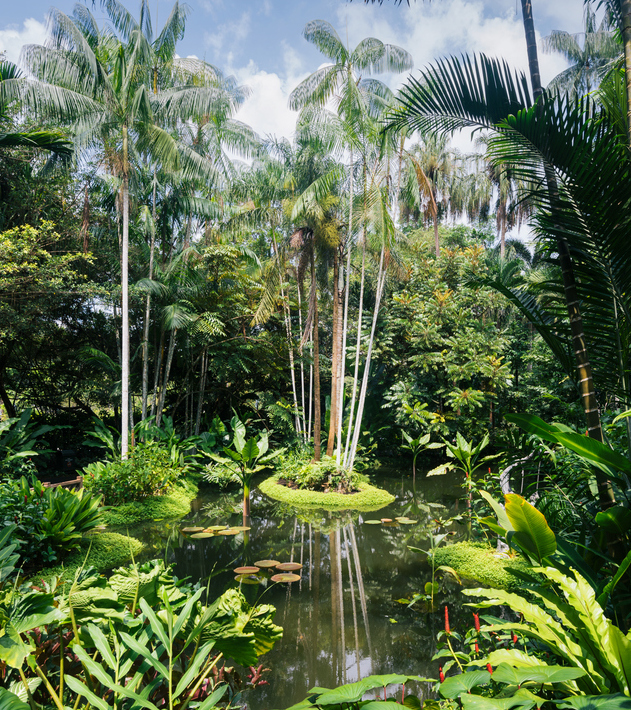
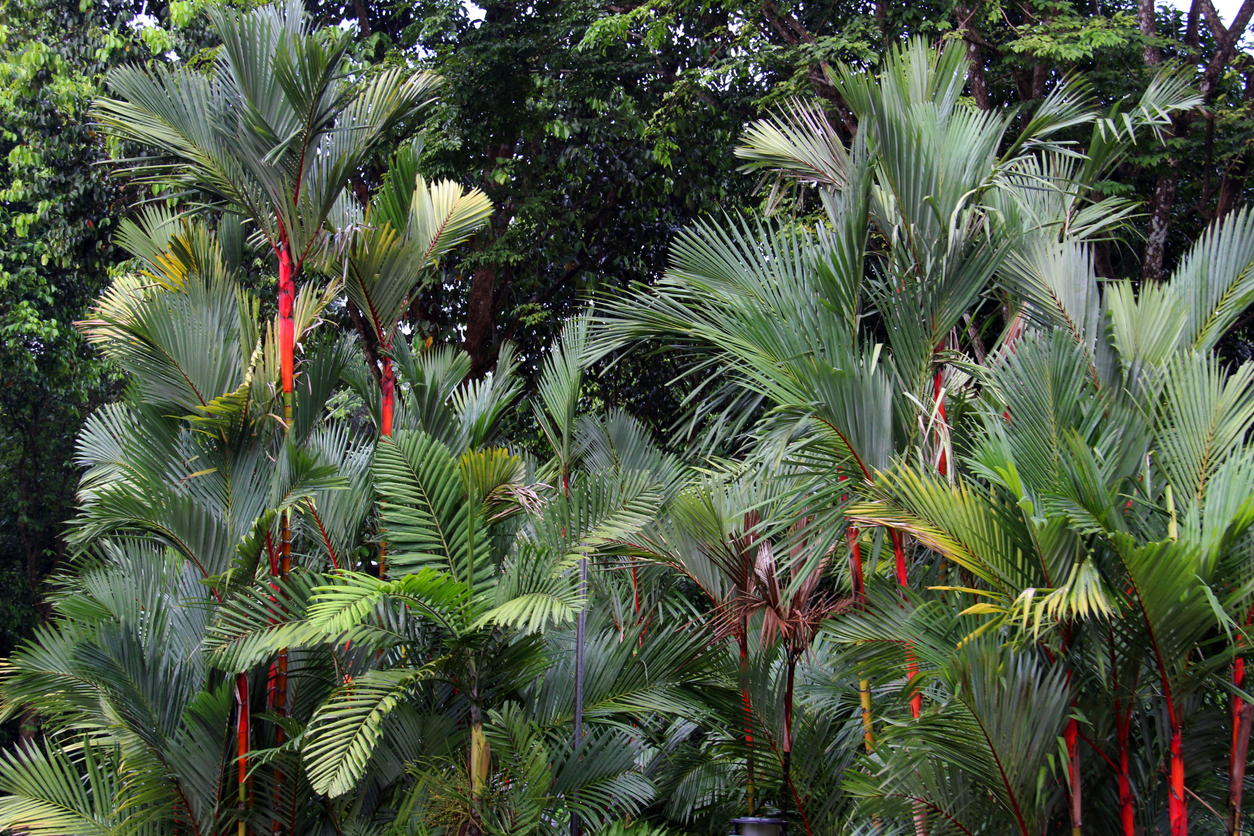
Deeper inside, the path opens into Palm Valley. Sunlight spreads across the lawn, and the scene often includes picnic mats, the soft sound of pages turning, and slow, stretching yoga movements. Just beyond it sits Symphony Lake. Outdoor concerts can bring a lively atmosphere here, but most days it holds a quiet, morning like stillness. Palm Valley is also central to the Gardens’ palm collection, which spans more than 115 genera and over 220 species. Looking up while walking through this area can feel like scanning tropical skylines from different parts of the world.
One of the Gardens’ greatest surprises is the presence of true primary rainforest in the heart of the city. Entering the rainforest area, the humidity becomes more pronounced, and tree trunks grow so broad they seem to require several people to wrap their arms around. This six hectare patch supports about 314 plant species, and more than half of them are considered relatively rare in Singapore. Some trees reach up to 50 metres and were already growing here before 1819, before modern Singapore took shape. Along the soft earth paths, rattan palms, fruiting trees, and towering Jelutong appear as living markers of the tropics. Insects, birdsong, and the rustle of leaves gradually cover the city’s noise until the idea of “wildness” becomes something tangible.
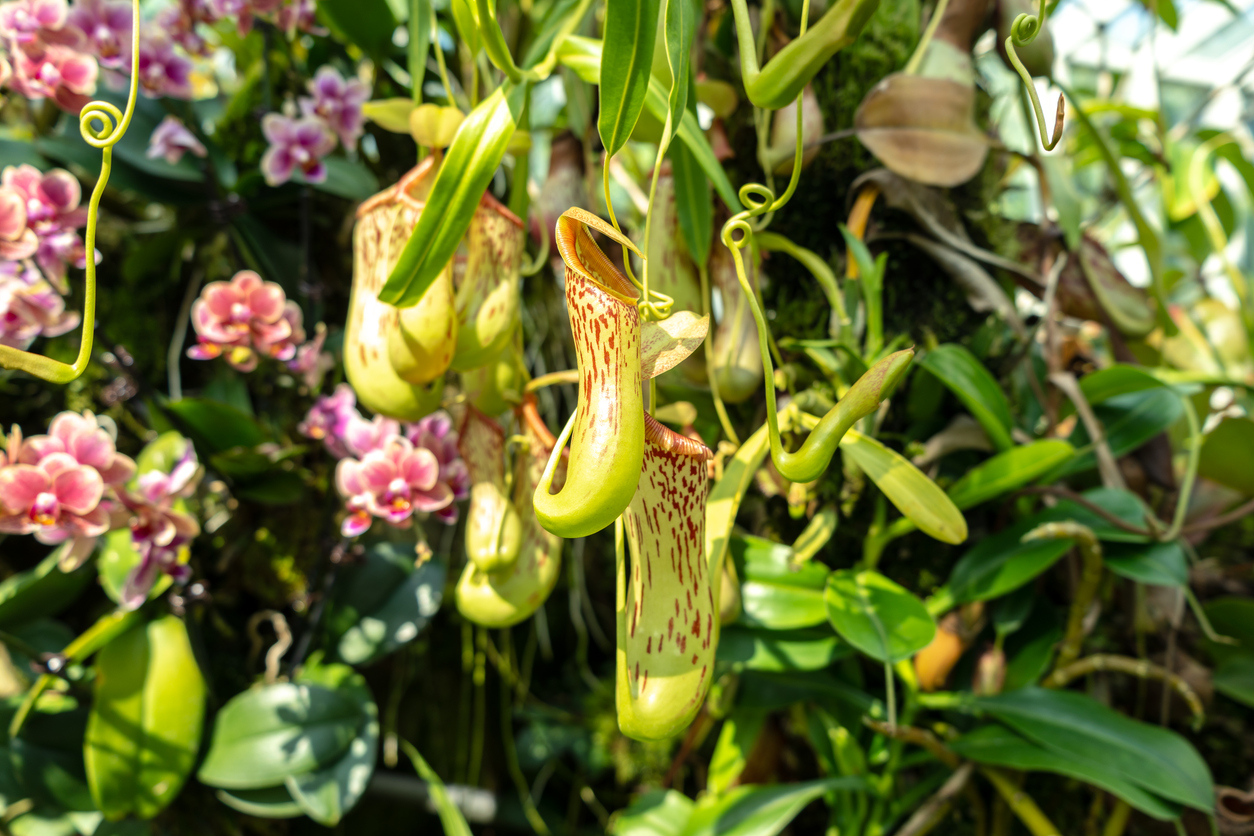
Then, at the National Orchid Garden, the palette brightens all at once. The orchid displays feel like walking through colour itself, with around 1,500 orchid species and 3,000 hybrids arranged across themed areas and landscapes. Within it, the VIP Orchid Garden features hybrids named after visiting dignitaries and international guests, part of Singapore’s distinctive tradition of orchid diplomacy. Among the best known highlights, Vanda Miss Joaquim stands as Singapore’s national flower, and the Tiger Orchid is often noted for its impressive size. For those drawn to rarer botanical details, the Cool House recreates a montane environment and showcases orchid groups with more limited natural distributions, including Cymbidiums, Dendrochilums, and Phragmipediums. Here, rarity feels less like a label and more like something carefully tended, patiently waiting for its season.
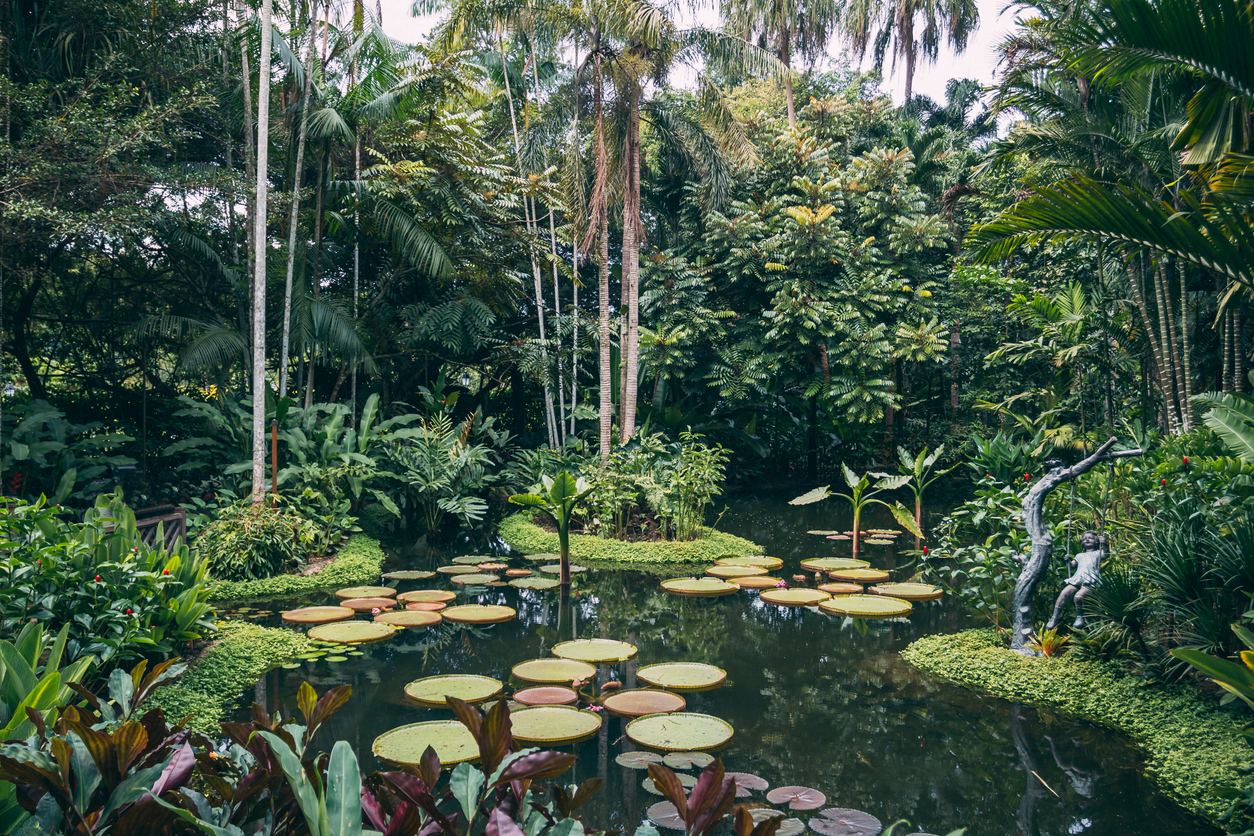
For a fuller sense of the Gardens’ layers, Ginger Garden is a route worth adding. Centered on the ginger order, it includes passages that cross near small waterfalls and pools planted with giant Amazon water lilies. The overall mood is denser, greener, and more rainforest like. The Gardens’ own trail guidance also notes that this area is a good place to look out for rarer ginger species, including some that are considered threatened.
Routes most worth taking
Two hour classic route: Begin at Swan Lake, pass through the open lawns of Palm Valley and Symphony Lake, continue into the primary rainforest, and save the National Orchid Garden for the end so the colour becomes the day’s final bright moment.
Half day slow route: Follow the classic route, then add Ginger Garden, and continue on to Healing Garden or Fragrant Garden. This turns the visit from simply looking at plants to being fully surrounded by scent, moisture, and shade.
Leaving the Gardens, sunlight often filters through treetops and warms the exit path into something soft and gentle. There is no need to rush to prove the visit happened. What tends to remain are small details: a flash of reflection on the lake, a breath of wind across the lawn, and a few minutes in the rainforest when nature completely covers everything else. The charm of the Singapore Botanic Gardens is this effortless sense of release. It feels like the city’s backyard, and also like a green journey that helps thoughts settle back into place.