


For a long time, the ideal hotel was imagined through the lens of grand scale: a towering lobby, endless amenities, and service so impeccable it bordered on the invisible. Large rooms, polished marble floors, and multiple specialty restaurants were the necessary markers of prestige. A chandelier dramatic enough to signal that money, competence, and luxury had all arrived at the same destination was essential. The larger the property, the more convincing the promise of excellence seemed.
A good hotel was expected to impress guests immediately; it had to feel substantial, complete, and unmistakably expensive. While this traditional concept of grandeur has not vanished entirely, it is no longer the only—or even the most compelling—ideal in the world of high-end travel.
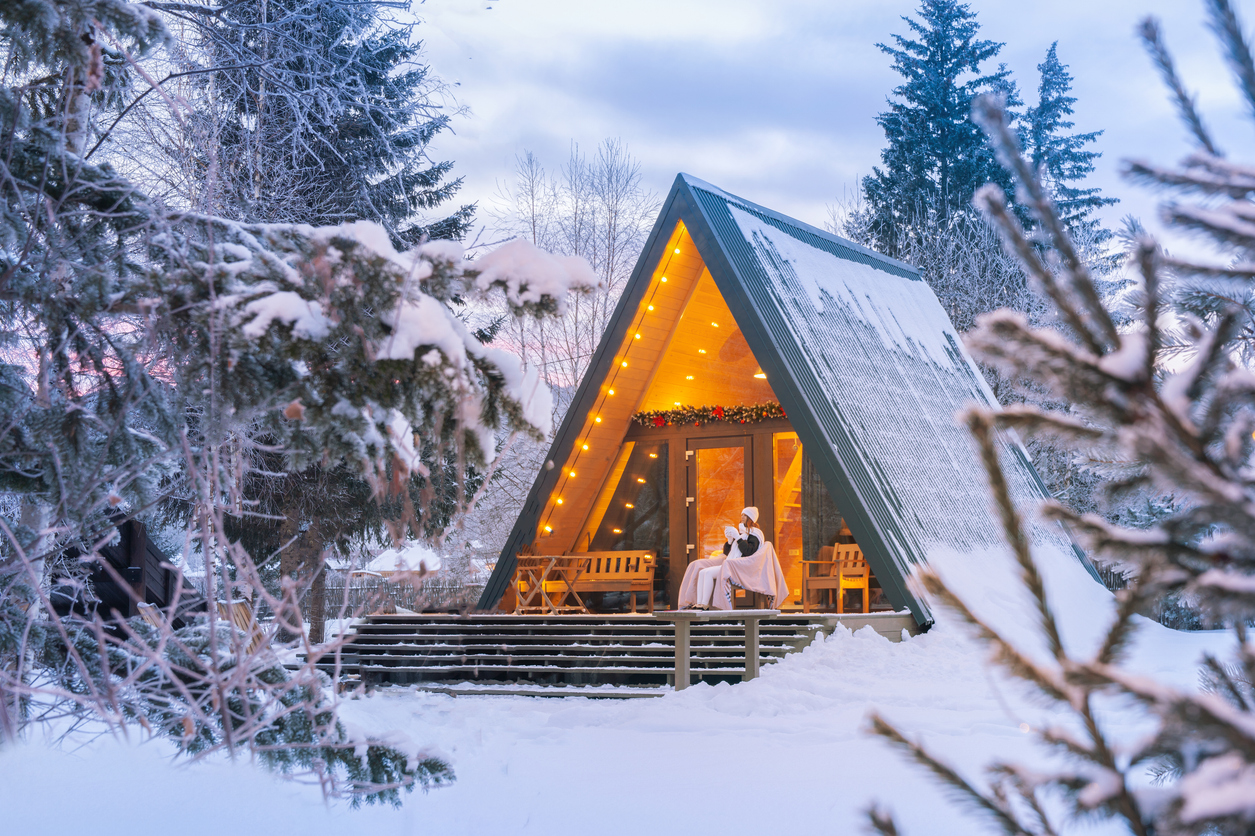
Today, travelers are increasingly drawn to a different kind of environment: boutique hotels with fewer rooms, less spectacle, and a far more potent atmosphere. These are not hospitality machines, but curated spaces with a specific point of view. Rather than overwhelming the guest with a chaotic menu of options, they offer a mood, a rhythm, and enough silence to actually notice where one is. In many cases, the most memorable hotel is no longer the biggest or the most fully equipped, but the one that feels most specific. This shift reveals a deeper desire for character, scale, and intimacy—spaces that nourish the soul rather than exhaust the traveler.

For decades, luxury was synonymous with abundance—more services, more square footage, and more visible proof that every possible inconvenience had been addressed. Today, however, people are increasingly suspicious of experiences that feel overmanaged, overbuilt, or sterile. They do not necessarily want more; they want the right amount. A room flooded with natural light, a bed that feels genuinely calm, and a breakfast that feels considered rather than generic are the new priorities. What feels luxurious now is not excess, but proportion. Boutique hotels succeed because they understand scale, making a place feel intentional rather than merely inflated.
Where large properties compete on volume, boutique hotels compete on atmosphere. They prioritize texture, quietude, and the delicate art of placement. The furniture feels carefully chosen rather than sourced in bulk; the books on the shelf suggest a curator’s hand; the specific scent of the hallway and the way the curtains catch the morning light all matter deeply. These details transform a hotel from a logistical system into a distinct sensibility.
Conversely, large hotels can produce a strange kind of sensory fatigue. Everything is polished, but in a way that feels universal. You know the smell of the lobby and the choreography of check-in before you even arrive. It creates the sense of moving through a highly efficient version of nowhere.

Boutique hotels offer the opposite: they are less perfect but far more particular. A converted townhouse, a restored villa, or a rural inn preserves the local texture that larger institutions often smooth away. Their minor flaws and irregularities suggest the place has not been designed solely for frictionless consumption; it still has edges and feels rooted in a specific geography. This sense of location is vital because modern life is already so standardized. Under the conditions of repeatable branded experiences and digital platforms, people crave non-replicability. They want places shaped by a neighborhood, a climate, or a person’s taste—places that succeed because they are not trying to be universal, but memorable and unique.
The style of service plays a crucial role in this shift toward the intimate. Large hotels are built on seamlessness and procedural attentiveness, which can occasionally make a guest hyper-aware of being inside a service apparatus. Everything is available, but the care often feels ceremonial. Boutique hotels, by contrast, often feel more human and relaxed. The care is present, but it is less performative. A recommendation comes from a staff member who actually visits the local bistro; breakfast arrives without rigid choreography. The atmosphere is not one of being constantly serviced, but of being quietly held. This distinction matters because travelers are increasingly sensitive to emotional texture, valuing hospitality that knows when to assist and when to step back.
Modern hospitality is as much about protecting a guest’s energy as it is about providing ease. Boutique hotels excel at this because their scale naturally produces less noise and institutional pressure. There is also a deeper shift in travel philosophy: the hotel is no longer just a background to be used after the real day happens elsewhere. It has become a central part of the trip’s meaning. The quality of the silence and the comfort of a chair by the window matter as much as the destination itself. A slow morning spent in a beautiful room can be more restorative than a packed itinerary. These hotels treat the experience of staying as an art form in itself.
When boutique hotels eclipse grand properties in cultural desirability, it is because we want a different kind of luxury. We seek specificity over spectacle and intimacy over standardization. We are looking for human temperature and character—places that do not make us feel like guests in a system, but temporary inhabitants of a thoughtfully arranged world. The new ideal is not a place that tries to dazzle you from the moment you step inside, but a place that slowly, quietly makes you realize you do not want to leave.