

Over the past few years, a subtle but unmistakable shift has occurred: people have started craving texture again. Ceramic cups, linen sheets, vinyl records, and paper notebooks are reappearing in the lives people find beautiful. These things are not always fast or efficient, but they offer something screens cannot: a sense of physical confirmation. In a world flattened by digital interfaces, what feels most desirable now is whatever the hand can still recognize.
People are not turning back toward texture because they are nostalgic. They are turning back because too much of life has become untouchable.
Modern life is increasingly smooth. Work, conversation, shopping and entertainment, all happen on screens. Everything is faster, cleaner, more frictionless. In theory, that should make life easier. And often it does. But it also creates a strange kind of weightlessness. We scroll, tap, swipe, click, refresh, and receive. The eyes are busy, the fingers are moving, but the body itself is barely involved. We consume constantly, yet so much of what we consume leaves no physical trace.
That is part of why texture matters again. Texture introduces resistance. It reminds us that not everything should feel like polished glass.
A ceramic mug is not just a vessel. It has weight. Its surface may be rough or smooth, cool or warm, slightly uneven at the rim. A sheet of paper is not just information. It has thickness, drag, edge, softness. A wooden table is not just a surface. It carries grain, dents, temperature, and the memory of use. These things ask more from the body, but they also give more back. They return a sense of physical confirmation.
Screens give us information. Texture gives us presence.
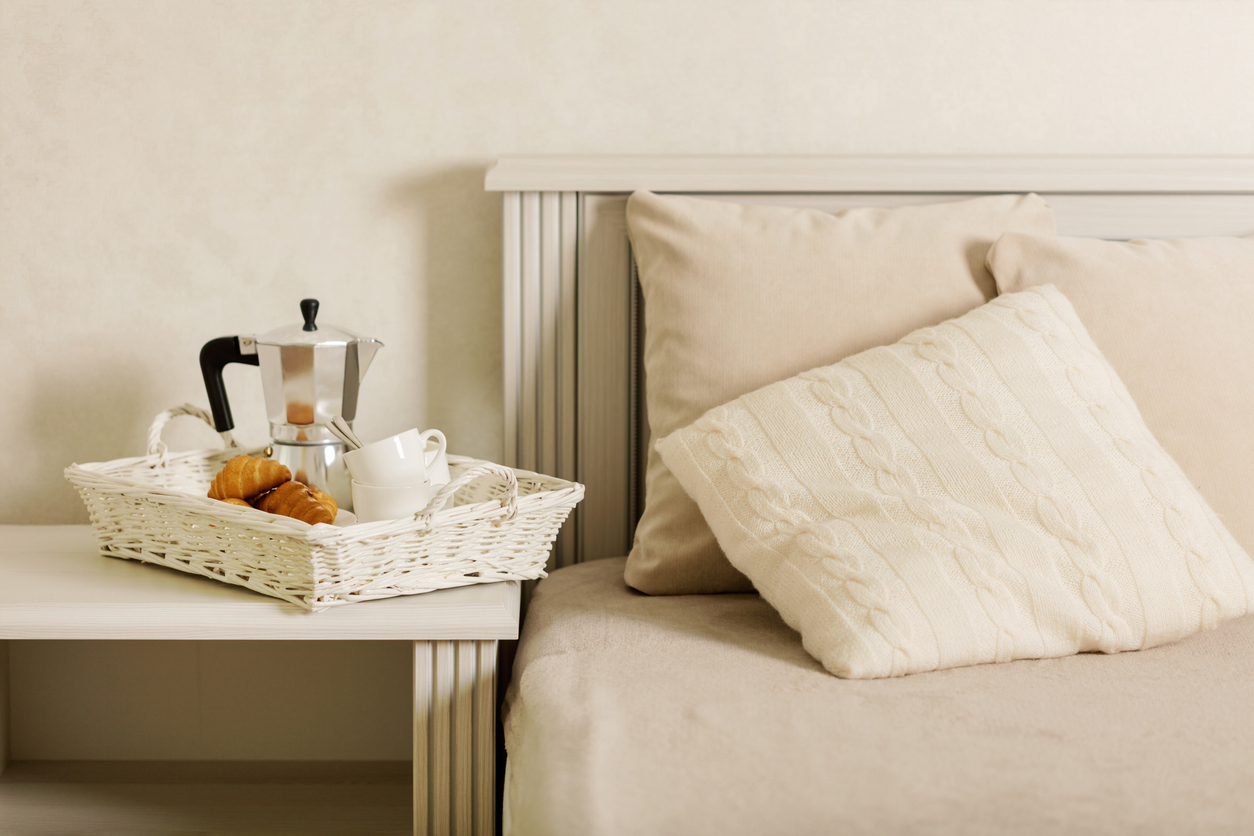
In many ways, the renewed obsession with tactility is really a desire for a slower and more embodied relationship to life. Hand-poured coffee is a good example. What makes it appealing is not only the drink itself, but the sequence around it. Boiling water. Grinding beans. Pouring slowly. Waiting. Smelling. Holding the cup. None of this is especially efficient, but requires participation. It asks the body to be there to feel good.
The same is true of vinyl. Streaming is obviously more convenient, but vinyl offers something streaming cannot. You take the record out and place it down. Then drop the needle and flip the side. You are no longer passively receiving music. You are initiating an experience with your hands. The slight inconvenience becomes part of the pleasure because it turns listening into an act rather than background.
What people miss is the feeling of having physically entered the experience.
This also explains why paper and handwritten menus seem to be so luxurious again. A printed sheet or a handwritten note carries more than content. It carries evidence. Someone touched this. Someone arranged it. Someone made choices with their hand rather than through a seamless system of duplication. In a world where so much language is templated, optimized, and endlessly reproduced, even a small human trace begins to feel intimate.
That is why handwritten menus in cafés or restaurants is so compelling. It is not simply that they look charming. It is that they interrupt the sterile perfection of standardization. They remind people that not everything has been ironed flat by software. A menu written by hand suggests a place with a pulse. A person behind it. A rhythm that still allows for marks, pauses, and imperfections.
The more automated life becomes, the more moving a human trace starts to feel.
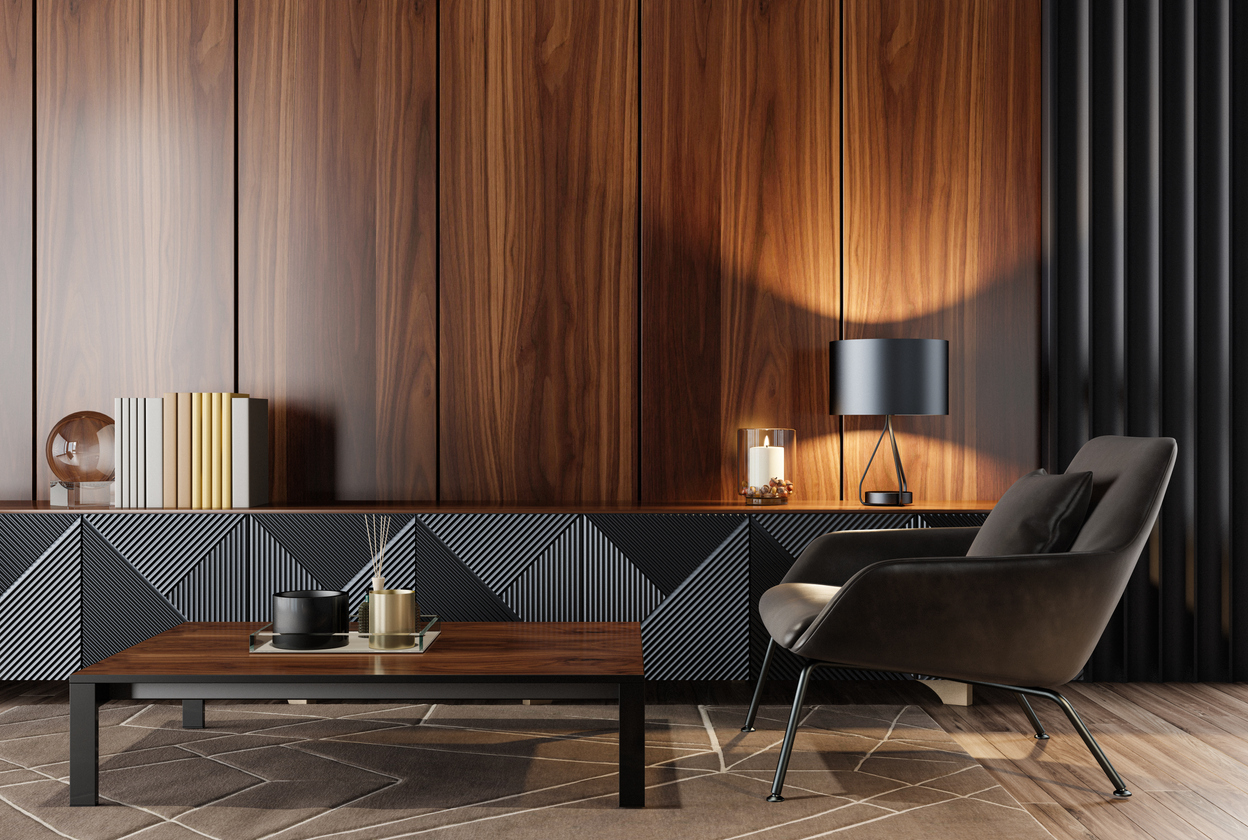
Wood and linen belong to the same longing. Neither material is perfect in a modern industrial sense. Linen wrinkles. Wood changes with time. Both hold marks easily. But that is exactly what makes them attractive. They feel alive. They respond to use. They record contact. They do not hide time. In fact, they become more beautiful because time has passed through them.
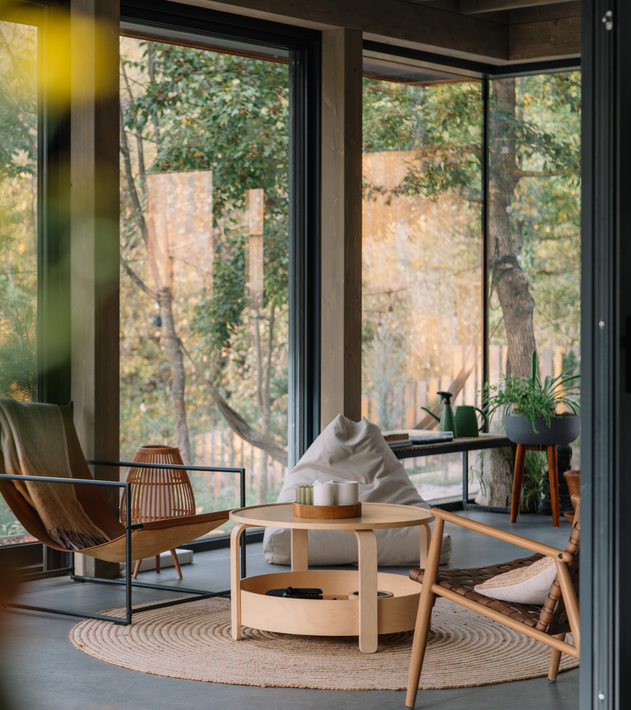
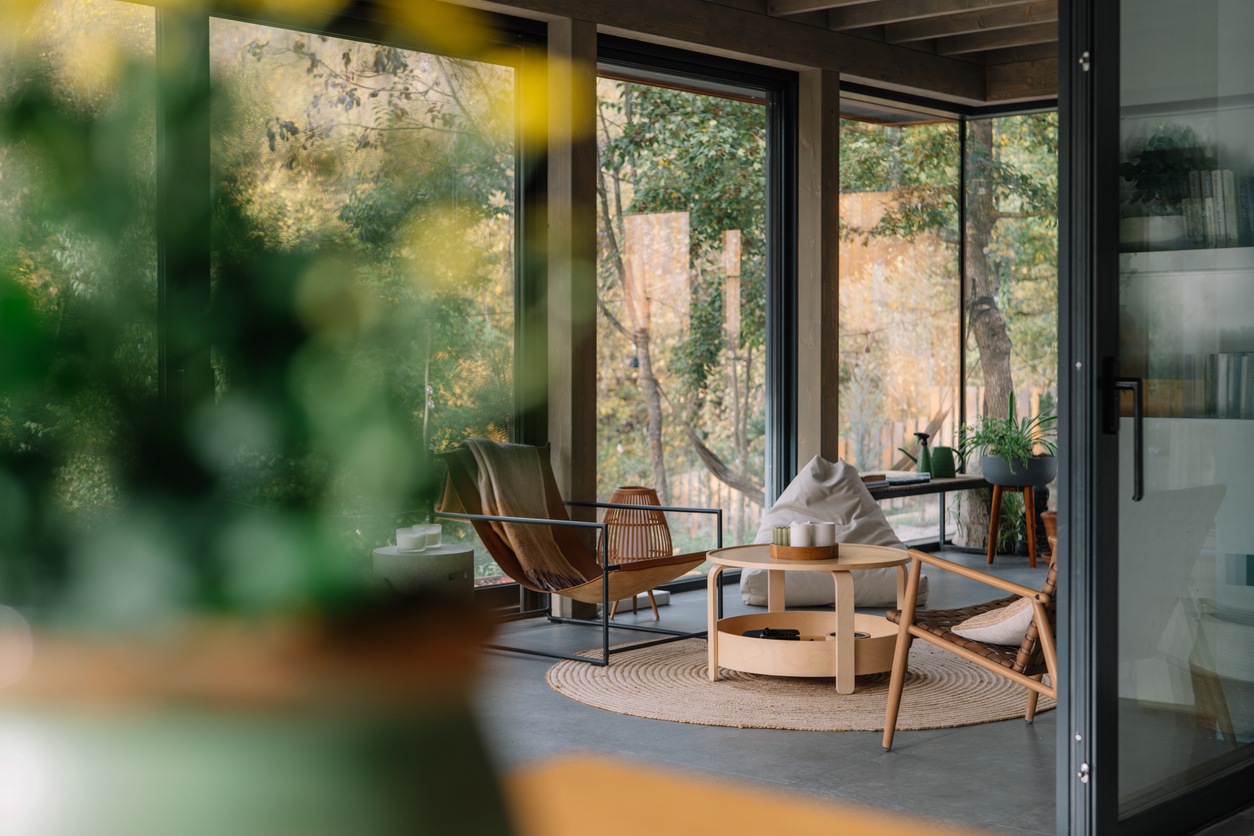
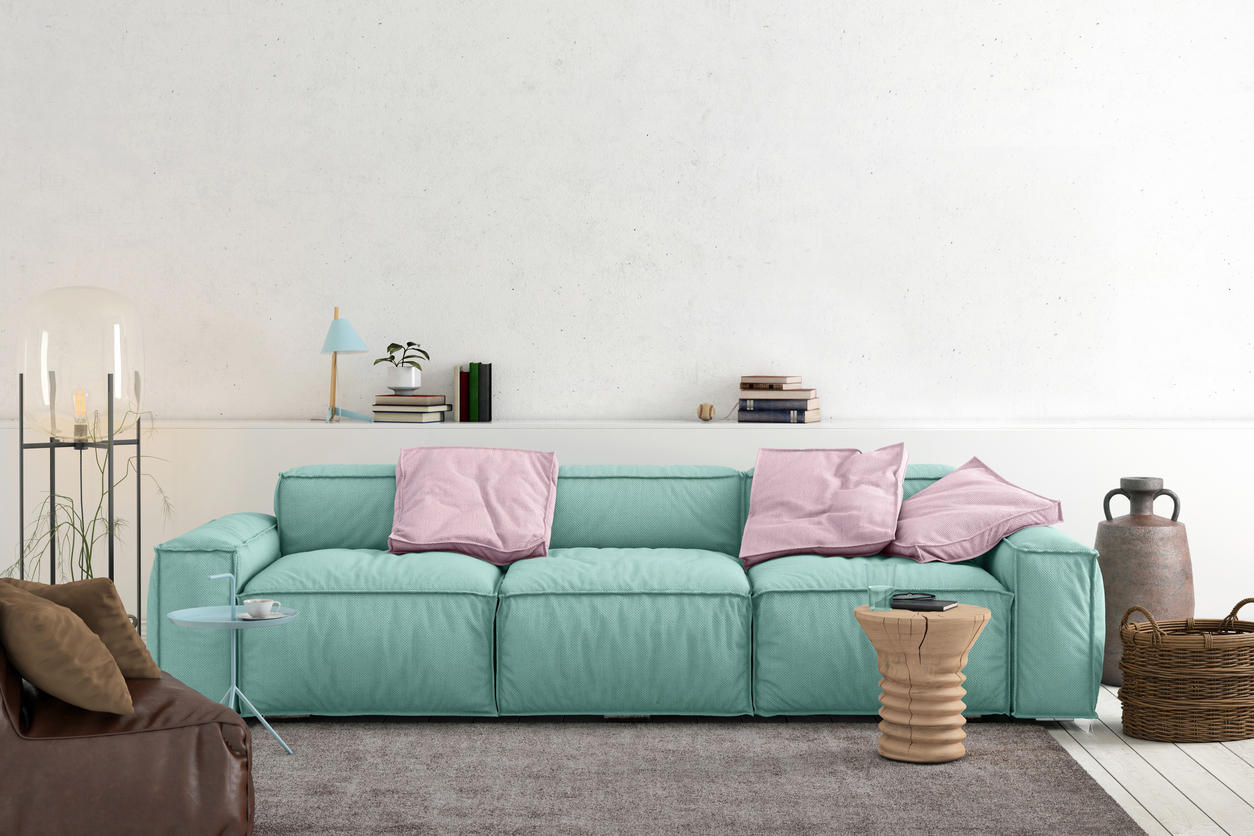
This is one reason people are increasingly drawn to materials that look slightly imperfect, slightly used, slightly warm. They want them to be inhabited. A room with linen curtains, a wooden chair, paper on a desk, a ceramic cup in hand, all of this creates more than an aesthetic. It creates a sense that life is happening on a scale the body can still understand.
The things that move us most are rarely the smoothest ones. They are the ones that still carry a little friction.
That friction matters because digital life has weakened certain parts of our sensory world. When so much of experience is reduced to visual consumption, people become hungry for forms of contact that are slower, denser, and less easily replaced. They want to hold a book, not just own its content. They want to touch a table, not just admire the room. They want to feel a shirt against the skin, not simply know that it photographs well. Texture becomes a way of restoring depth to ordinary life.
This is also why tactility now carries a kind of cultural prestige. It is no longer just a design preference. It has become a lifestyle signal.
To care about texture is to say that life should involve more than frictionless access.
It is to insist that not every experience should be immediate, flat, and infinitely replicable.
It is to value surfaces that push back a little, materials that age, rituals that require touch, and objects that do not disappear once the screen goes dark.
The heavier digital life becomes, the more people long for things that cannot be fully experienced through looking alone.
In the end, the return of texture is about more than ceramics, linen, vinyl, or coffee. It is about a deeper hunger for contact. People want to feel that life is still happening in the physical world, not only in interfaces. They want objects with weight, surfaces with grain, rituals with movement, and spaces that ask the body to participate.
What people want is not simply a more beautiful life. They want a life the hand can still verify.