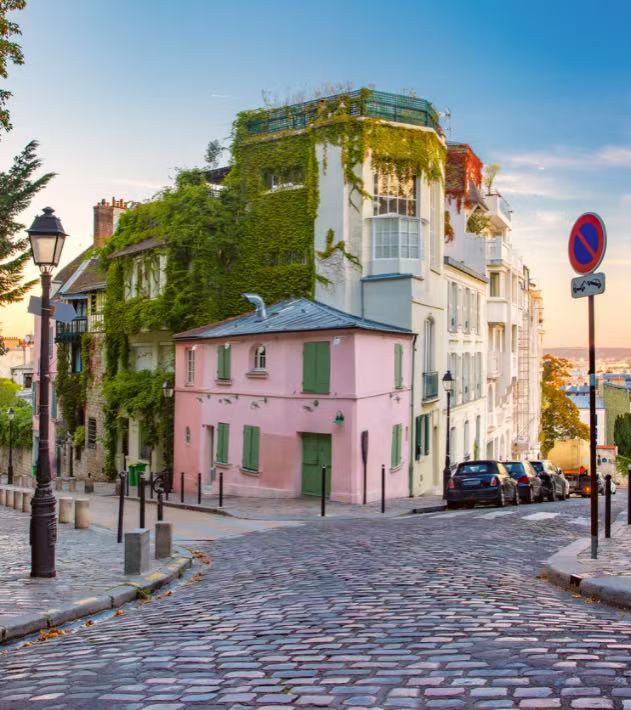


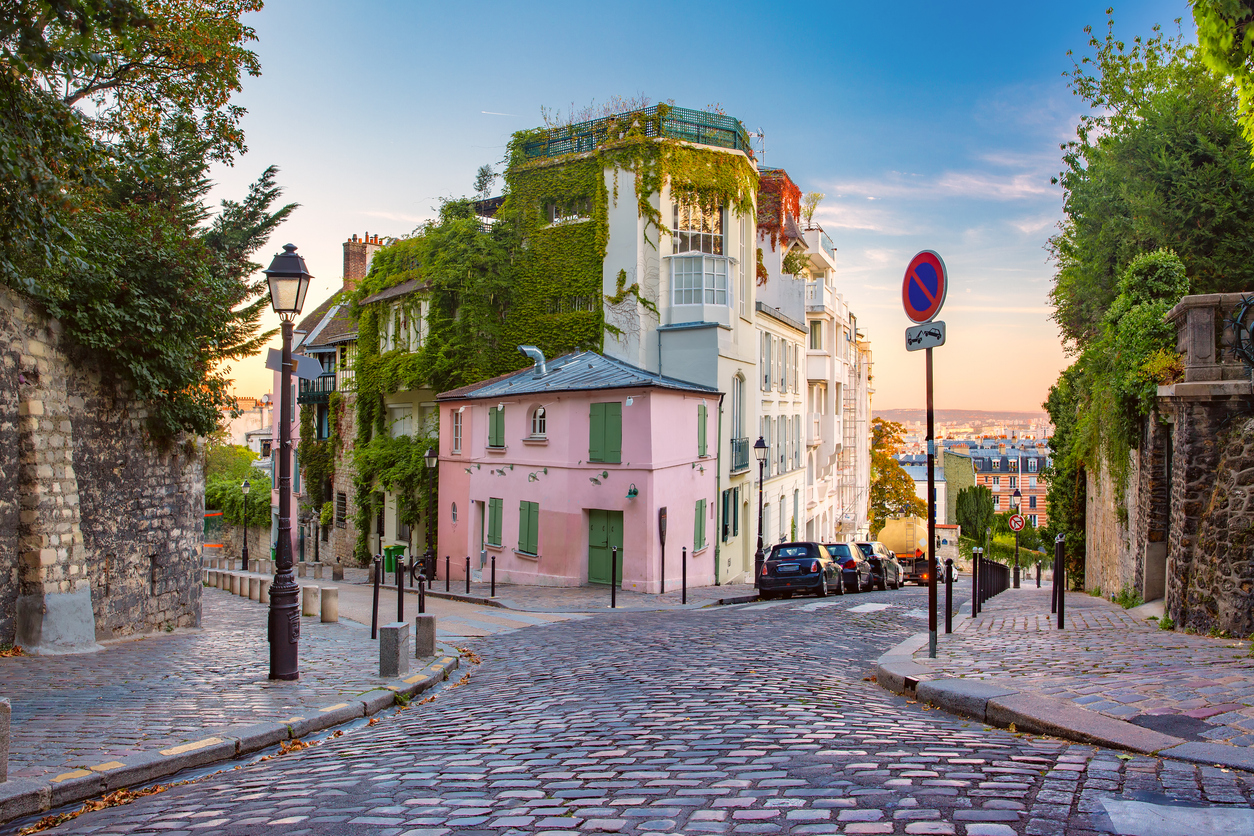
Traveling through major global capitals often sounds more relaxing than it actually feels. Many visitors spend long hours walking on hard pavement, moving through crowded subway systems, waiting in lines, and skipping meals between major sightseeing spots. Over time, that routine can lead to physical exhaustion, sensory overload, irritability, poor decision-making, and the feeling of being mentally tired before the day even ends.
The environments you choose to step into during your journey play a much bigger role in that experience than many people realize. Certain spaces can help stabilize your energy, reduce overstimulation, and make packed travel itineraries feel physically and mentally easier to manage.
Why Environment Matters More During Travel?
Traveling fundamentally changes how people experience energy, stress, and daily routines. Without your usual home comforts, familiar commutes, or clear boundaries between activity and rest, small physical choices become much more important.
Environments that support calmer focus, stable energy, and emotional recovery are becoming increasingly valuable because many travelers are no longer looking for maximum, relentless stimulation every single hour. They want itineraries that help them stay inspired and productive without feeling completely exhausted by the end of the trip. Sometimes, improving a journey does not require a major change in destination; a more stable morning pace, a quieter lunch hour, or a smarter afternoon rest spot can already change how the entire journey feels.
Quiet Museum Wings for Slower Mornings
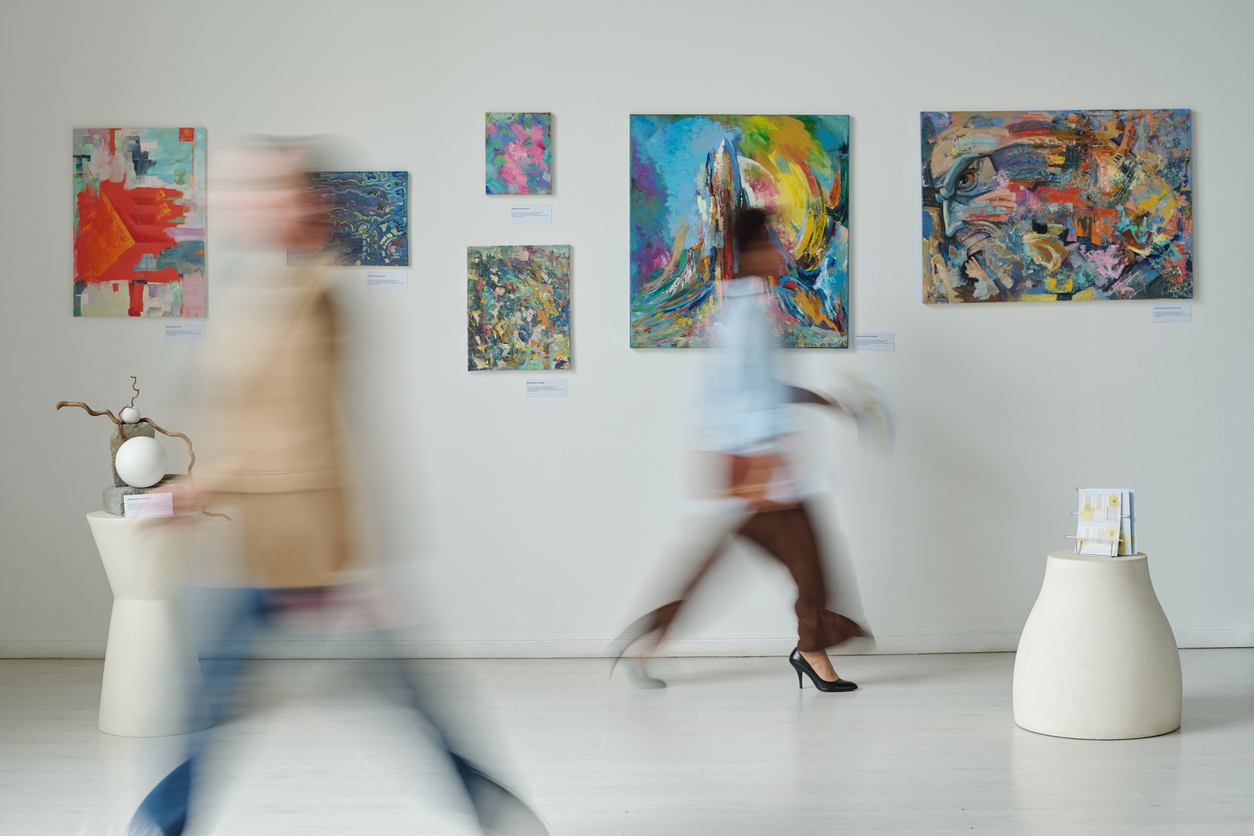
Many travelers rely heavily on rushing to major landmarks right when they open, especially during busy mornings. The problem is that high-profile, crowded spots can sometimes create nervous energy, anxiety, and early fatigue, especially when you are standing on your feet with little time to relax. In this sense, seeking out specialized, lesser-known galleries or quiet museum courtyards has become increasingly popular among mindful travelers.
Unlike the chaotic main halls housing famous highlights, these quiet corners offer an atmosphere of calmer concentration. Many people describe the effect as smoother and more grounding, particularly during moments when you want to truly connect with art, history, or architecture. For instance, instead of fighting the crowds at the Louvre’s Mona Lisa, spending your morning in the light-filled, sculpted courtyards of the Cour Marly, or sitting in the quiet manuscript rooms of the British Museum, fits naturally into a slower morning routine. It helps you create a clearer, more inspired transition into the travel day.
Urban Green Spaces for Midday Energy Stability
One of the most common travel problems is that you may feel shortly tired in the afternoon. Centrally located urban parks and public gardens have become a practical solution as they offer a space to rest without making you feel like you are wasting daylight. A balanced hour spent in a historic green space combines fresh air, open layout, and natural scenery in a way that supports steadier mental energy.
Pausing near the waters of London’s Hyde Park, resting on a classic sage-green chair in Paris’s Jardin du Luxembourg, or sitting by an old orangery provides longer-lasting mental relief and helps reduce the urge to constantly snack just for a quick sugar spike. Resting in a green space also creates a stronger sense of reset during a busy day compared to eating a cold sandwich on a noisy sidewalk.
In urban green spaces, you can:
avoiding afternoon crashes
reducing stress-induced snacking
maintaining concentration after lunch
creating a clearer, deliberate midday break
Independent Cafes and Bookshops for Preventing Energy Drops
Many travelers unconsciously replace proper rest with constant, frantic movement. Running from one high-profile neighborhood to the next is exciting, but the constant visual noise and crowded streets often lead to rapid sensory fluctuations that affect your mood and stamina.
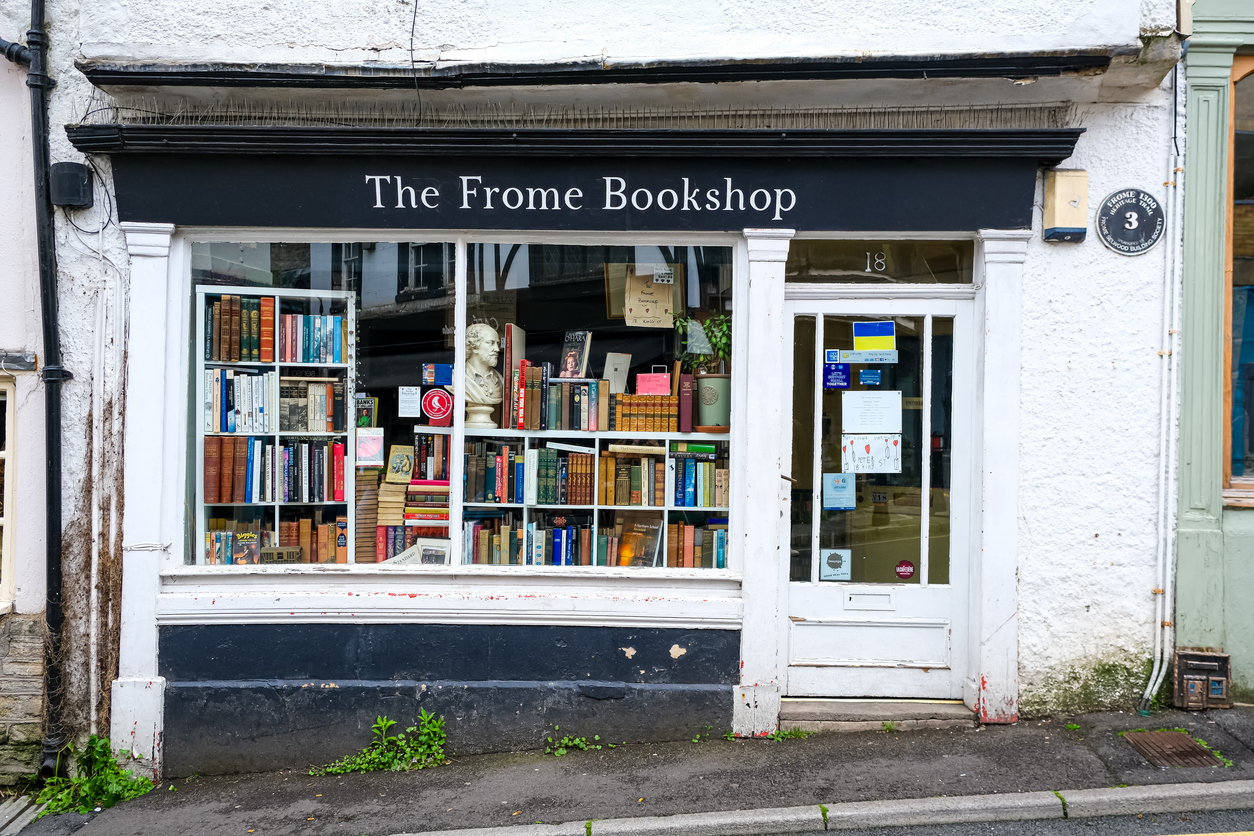
Simple, low-key environments like an independent neighborhood cafe or a quiet, local bookstore provide a more stable source of comfort. Sitting down with a warm drink or browsing through narrow, book-lined aisles allows your body and mind to digest the sights of the morning at a slower pace, which helps reduce sudden physical fatigue and improves your consistency throughout the day. Tucking into a cozy independent bookstore like Shakespeare and Company in Paris or a quiet, wood-paneled bookshop in London's Bloomsbury works beautifully for people who experience irritability or low concentration during long afternoon walking sessions.

Waterfront Paths for Mentally Exhausting Days
Some travel days feel less physically tiring and more emotionally overstimulating. Endless navigation on maps, difficult public transport delays, language barriers, and constant multitasking can leave you mentally drained by evening.
Open spaces near moving water, like historical riversides, canal paths, or pedestrian bridges, are often associated with comfort because the open horizon and repetitive motion of water affect how the body responds to stress. Soft, scenic environments can help people slow down physically after spending hours in high-alert mental states inside crowded stations or commercial districts. Walking slowly along the banks of the Seine, wandering the quiet towpaths of the Regent’s Canal, or watching the sunset from a stone bridge are deeply therapeutic activities during a fast-paced trip because they feel restorative without requiring much effort or planning to enjoy.