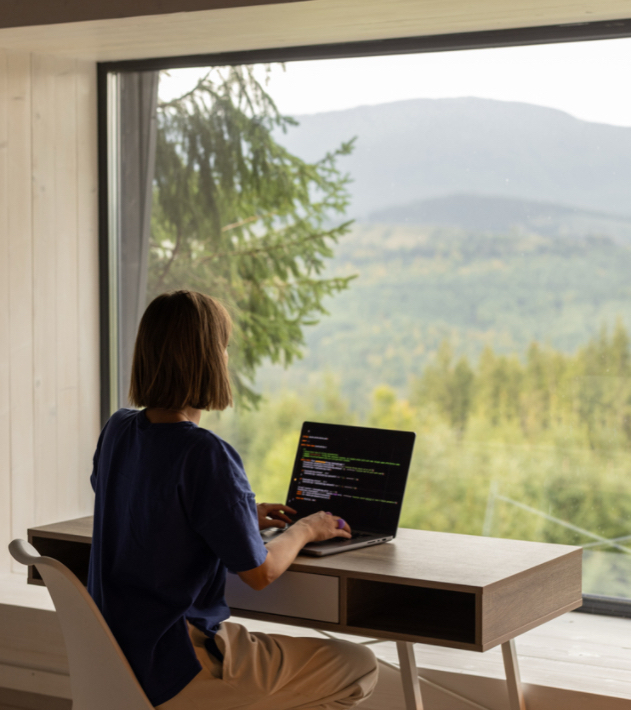


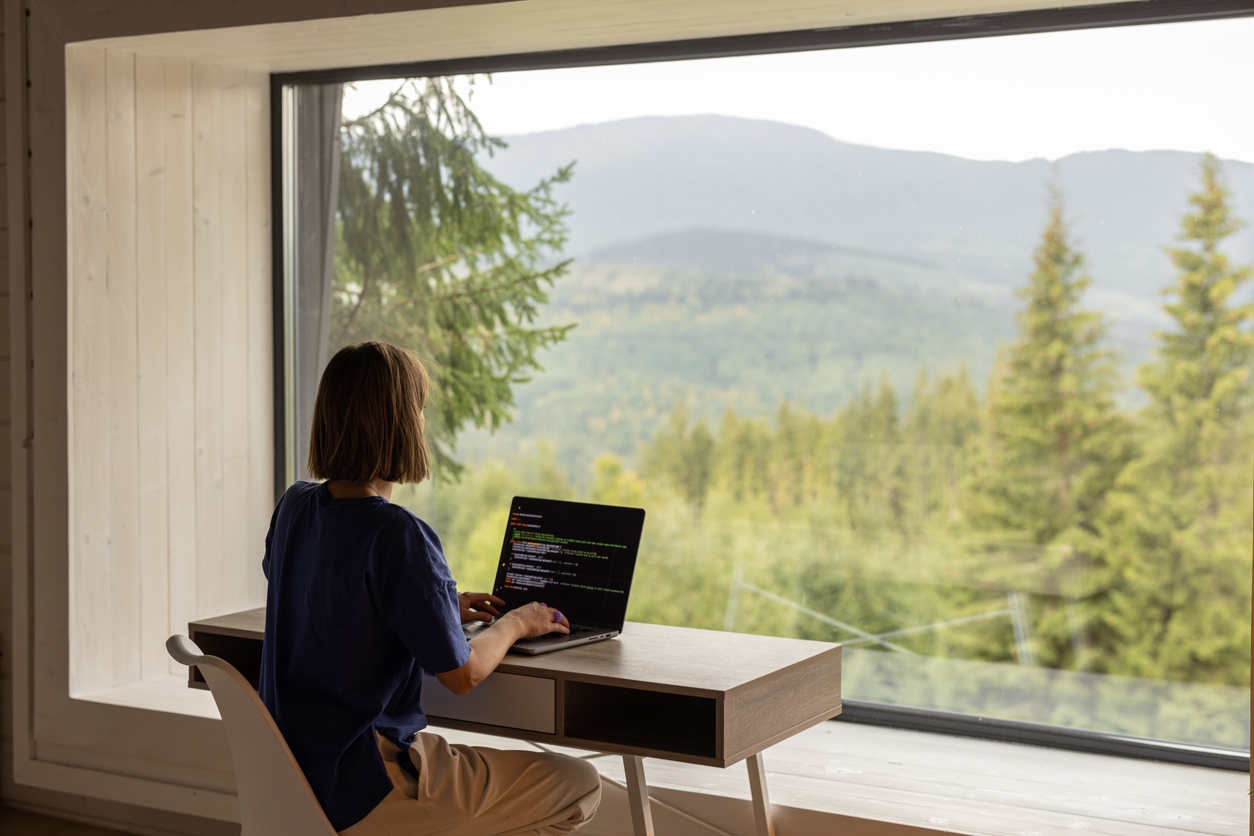
Working from home often sounds more relaxing than it actually feels. Many remote workers spend long hours sitting in front of screens, moving very little, drinking too much coffee, and eating irregularly between meetings. Over time, that routine can lead to brain fog, unstable energy, irritability, poor concentration, and the feeling of being mentally tired before the workday even ends.
Food plays a much bigger role in that experience than many people realize. Certain foods can help stabilize energy, improve focus, reduce overstimulation, and make long workdays feel physically easier to manage.
Matcha for Long Hours of Focus
Many remote workers rely heavily on coffee, especially during busy mornings. The problem is that high caffeine intake can sometimes create nervous energy, rapid heart rate, shakiness, and afternoon crashes, especially when people are sitting indoors all day with little physical movement.
In this sense, matcha has become increasingly popular among people working from home.
Unlike regular coffee, matcha contains both caffeine and L-theanine, an amino acid associated with calmer concentration. Many people describe the effect as smoother and more stable, particularly during tasks that require long periods of focus like writing, meetings, spreadsheets, or design work.
Matcha also fits naturally into slower morning routines. Preparing it takes slightly more time than pressing a coffee machine button, which can help remote workers create a clearer transition into the workday.
Best for:
morning focus
deep work sessions
reducing coffee jitters
maintaining energy during long screen hours

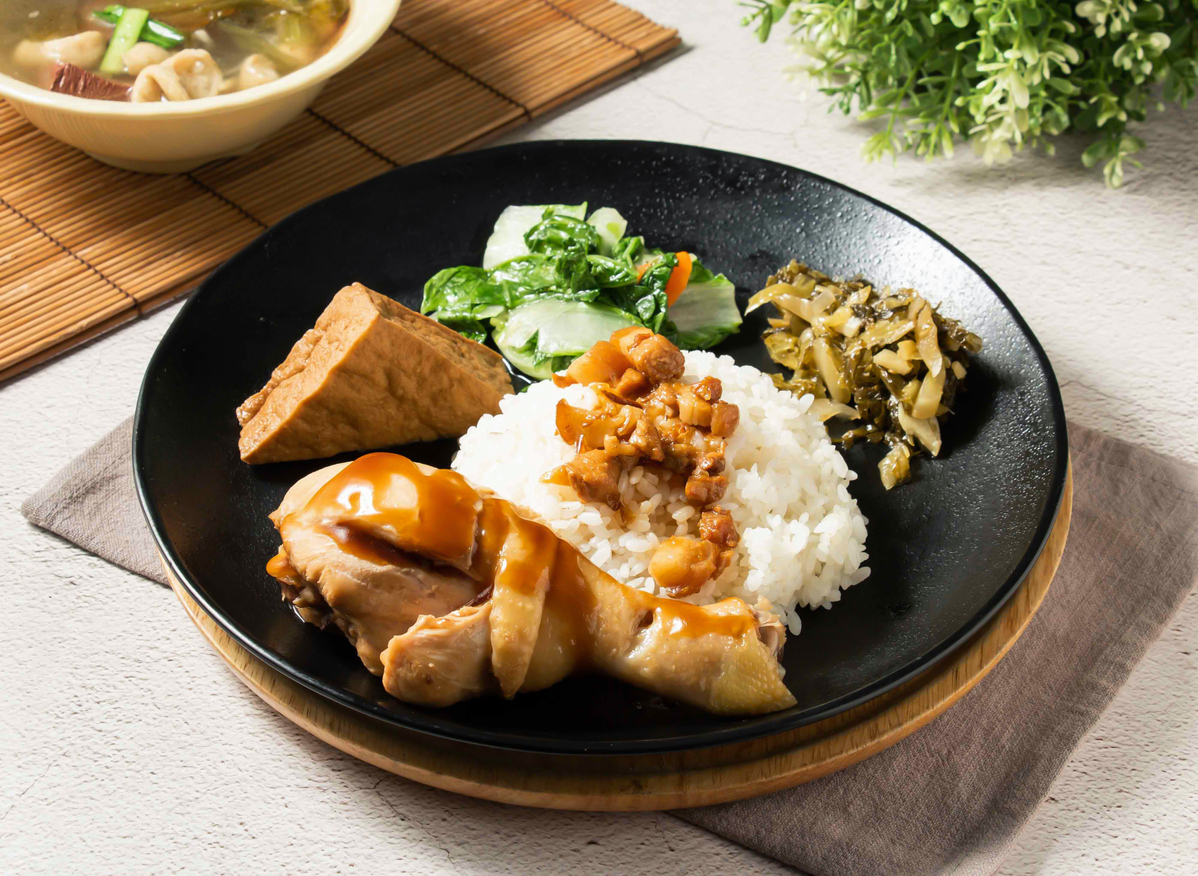
Warm Rice Bowls for Midday Energy Stability
One of the most common work-from-home problems is the heavy afternoon slump.
Large takeout meals, ultra-processed snacks, or skipping lunch entirely can leave people feeling sleepy, distracted, or physically uncomfortable by 2 or 3 PM. Warm rice bowls have become a practical solution as they are filling without feeling excessively heavy.
A balanced rice bowl usually combines carbohydrates, protein, healthy fats, and vegetables in a way that supports steadier energy. Ingredients like salmon, tofu, chicken, avocado, kimchi, soft-boiled eggs, or roasted vegetables provide longer-lasting fullness and help reduce constant snacking throughout the afternoon.
Warm meals also create a stronger sense of reset during the workday compared to eating cold snacks at a desk. It’s also easier to cook as you are at home, instead of in your office.
Best for:
avoiding afternoon crashes
reducing stress snacking
maintaining concentration after lunch
creating a clearer lunch break at home
Nuts and Yogurt for Preventing Energy Drops
Many remote workers unconsciously replace meals with constant snacks. Chips, cookies, sugary drinks, and processed snacks are convenient during meetings for sure, but they often lead to rapid blood sugar fluctuations that affect concentration and mood.
Simple combinations like Greek yogurt with nuts, almonds with fruit, or peanut butter with toast provide a more stable source of energy. Protein and healthy fats digest more slowly, which helps reduce sudden hunger and improves consistency throughout the day.
These foods also work well for people who experience irritability or low concentration during long afternoon work sessions.
Best for:
preventing late-afternoon fatigue
reducing sugar cravings
supporting steady focus
quick work breaks between meetings

Soup and Noodles for Mentally Exhausting Days
Some workdays feel less physically tiring and more emotionally overstimulating. Even if you are working at home, endless notifications, difficult meetings, and constant multitasking can leave you mentally drained by evening.
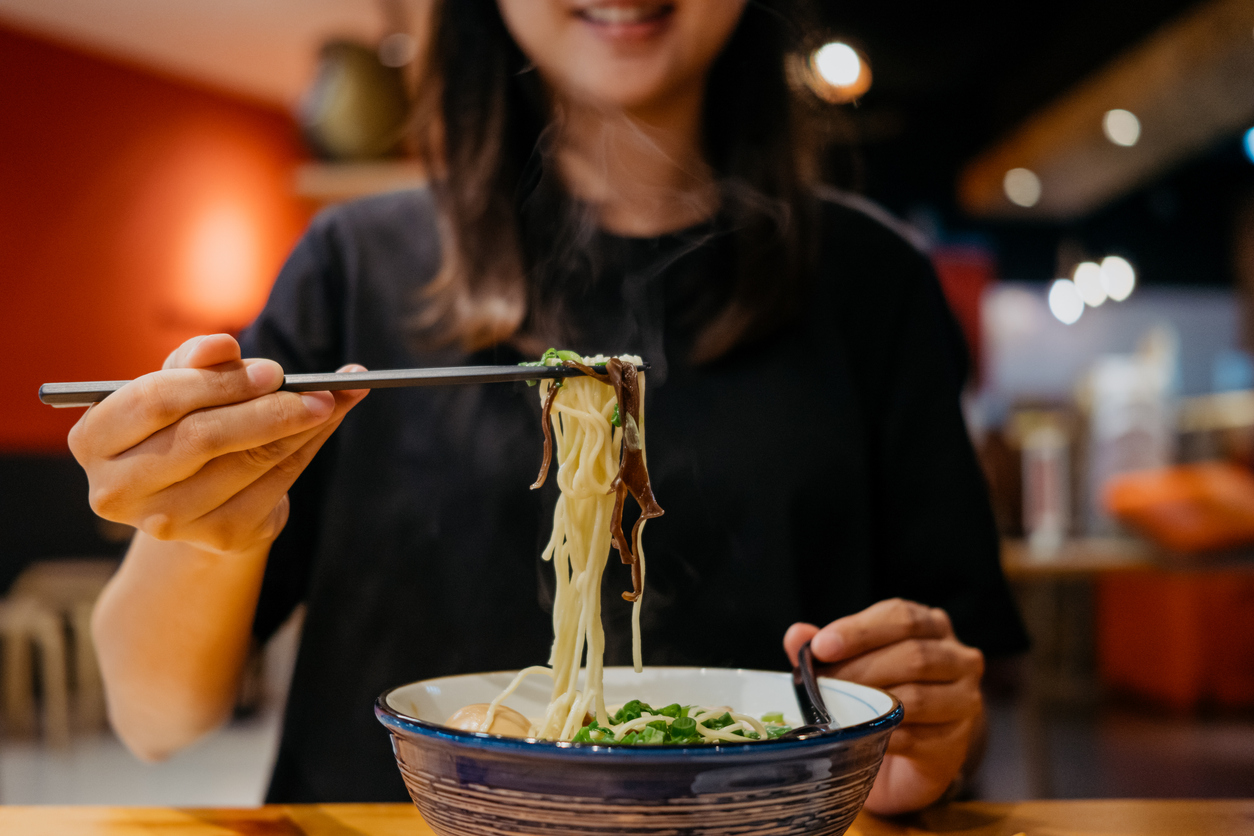
Warm foods like soup, noodles, congee, or broth-based meals are often associated with comfort because temperature and texture affect how the body responds to stress. Soft, warm foods can help people slow down physically after spending hours in high-alert mental states.
Meals like miso soup, chicken noodle soup, ramen, or rice porridge are especially popular during stressful workweeks because they feel restorative without requiring much effort to eat or prepare.
Best for:
high-stress workdays
emotional fatigue
recovery after long meetings
evening decompression
Herbal Tea for Ending the Workday
One of the biggest challenges of remote work is that many people never fully leave the “work mode”. Laptops have to stay visible, notifications continue into the evening, and people’s nervous system remains overstimulated long after work technically ends.
Herbal teas like chamomile, peppermint, rooibos, or lavender tea help create a clearer separation between work hours and personal time. Warm drinks also encourage slower evening routines, especially for people trying to reduce nighttime caffeine intake.
For many remote workers, tea functions less as a productivity tool and more as a signal that the workday is finished.
Best for:
transitioning out of work mode
reducing evening overstimulation
improving nighttime routines
replacing late caffeine consumption

Why Food Matters More During Remote Work?
Working from home changes how people experience energy, stress, and daily routines. Without commutes, movement, or clear boundaries between work and rest, small physical habits become much more important.
Foods that support calmer focus, stable energy, and emotional recovery are becoming increasingly valuable because many remote workers are no longer looking for maximum stimulation. They want routines that help them stay productive without feeling exhausted by the end of the day.
Sometimes, improving a work-from-home routine does not require a major lifestyle reset. A more stable breakfast, a warmer lunch, or a smarter afternoon snack can already change how the entire workday feels.