


Time Out’s 2025 ranking of the world’s coolest neighbourhoods draws on insights from its global network of local experts, who nominated the vibiest districts in their cities. Each neighbourhood was evaluated against a robust set of criteria, including culture, community, liveability, nightlife, food and drink, street life, and a hard-to-define sense of “nowness”, to identify the areas where independent businesses thrive, creativity flourishes, and local character remains uncompromised.
Here are the top 10 neighbourhoods that exemplify these qualities this year:
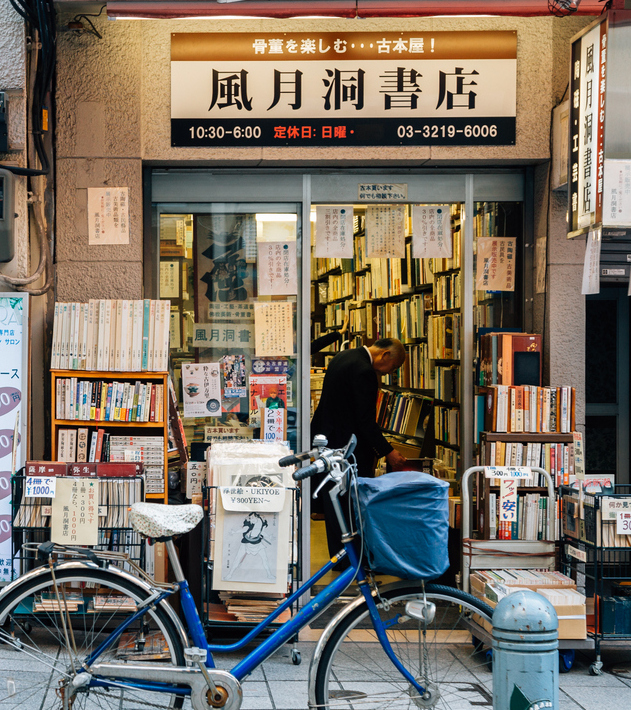
1. Jimbōchō, Tokyo
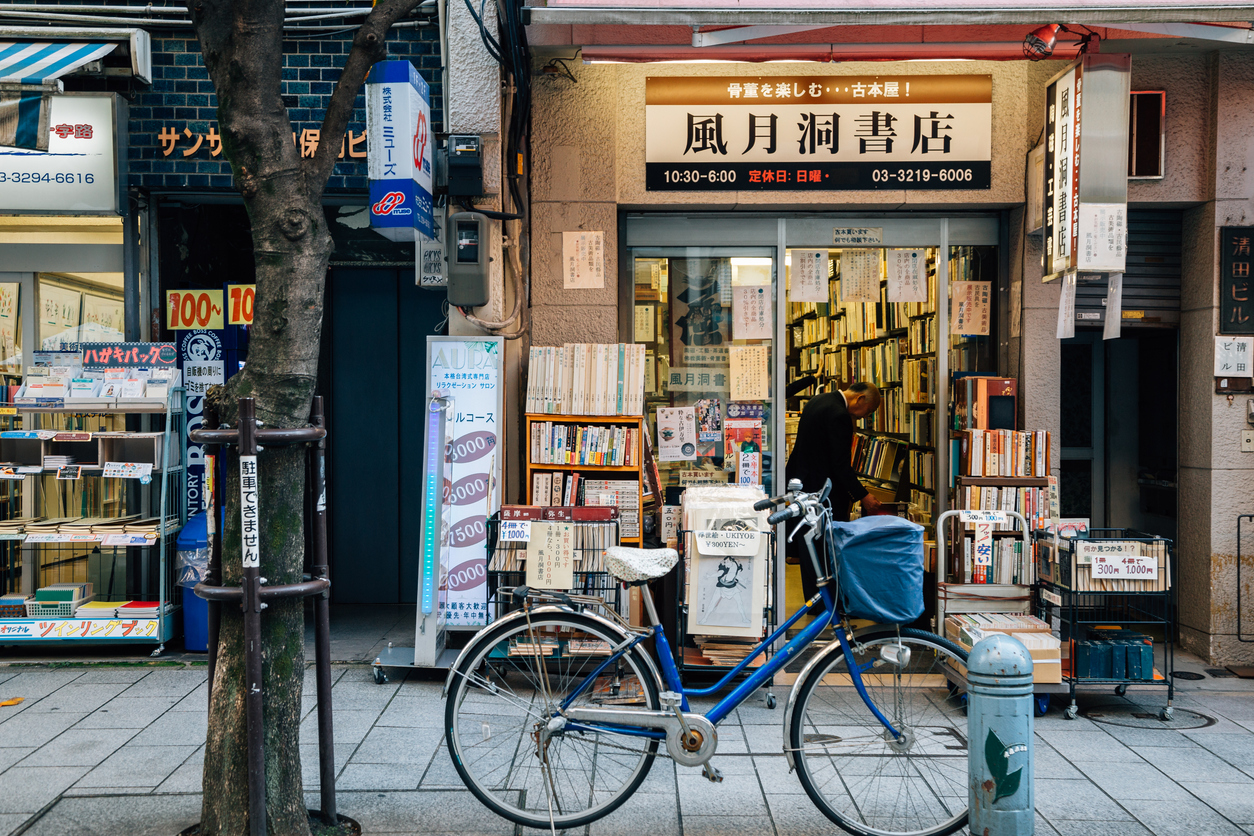
Jimbōchō has long been Tokyo’s bibliophile haven, boasting over 130 second-hand bookstores and old-school cafés. What sets it apart in 2025 is its fusion of tradition with contemporary vibrancy: intimate music clubs, award-winning curry houses, and avant-garde cocktail bars. This neighbourhood thrives on intergenerational energy, blending the gravitas of university life with fresh creative undercurrents. Jimbōchō exemplifies how cultural heritage can coexist with modern lifestyle branding, making it a must-visit for locals and visitors alike.
2. Borgerhout, Antwerp
Borgerhout, affectionately known as BoHo, demonstrates the value of community-led urban reinvention. Turkish and Moroccan grocers sit alongside vegan coffee bars and artist-run galleries, while initiatives like parklets and communal tables illustrate grassroots engagement. Its brand is one of inclusivity and authenticity, appealing to visitors seeking a neighbourhood where diversity is operationalized as both culture and business model.
3. Barra Funda, São Paulo
Barra Funda blends industrial heritage with contemporary culture. Warehouse studios, cutting-edge galleries, and dynamic nightlife coexist with remnants of train tracks and factories. Its brand positioning hinges on authenticity and creative experimentation, offering a blueprint for industrial regeneration into cultural hubs.
4. Camberwell, London
Camberwell proves that culinary diversity can anchor neighbourhood identity. From Kurdish cuisine to artisanal bakeries and Lebanese wraps, food functions as both community glue and urban branding tool. Combined with arts institutions and local record shops, Camberwell exemplifies how mixed-use neighbourhoods can cultivate both economic and cultural vitality.
5. Avondale, Chicago
Nicknamed Bricktown for its historic brickyards, Avondale is a testament to layered urban identity. Its mix of Polish and Latino heritage with modern wellness studios, music venues, and independent bars illustrates a resilient urban ecosystem that leverages history while promoting innovation.
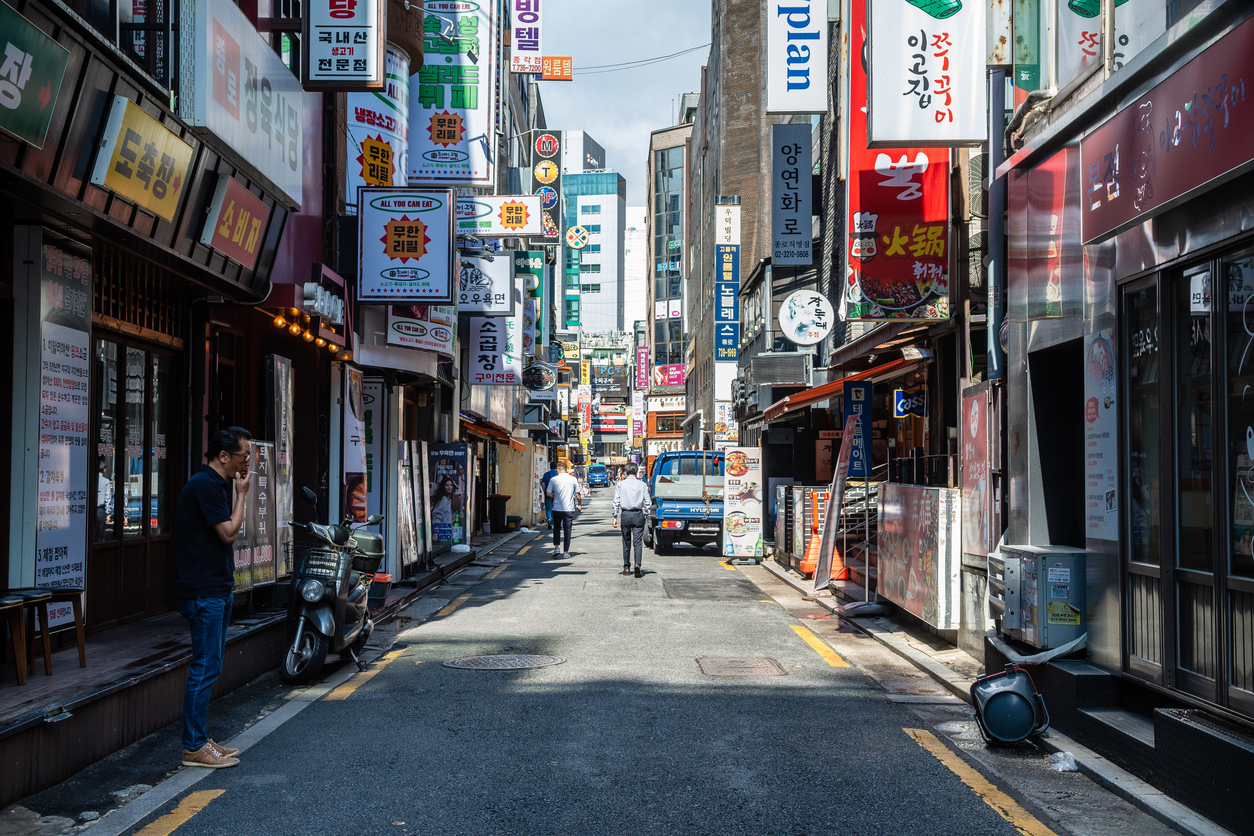
6. Mullae-dong, Seoul
Formerly the epicentre of metalworking, Mullae-dong is now Seoul’s industrial-chic arts enclave. Affordable rents attract young creatives, while old factories host jazz bars and design studios. Mullae-dong’s industrial past is not erased but leveraged as a brand asset, creating authenticity that fuels both tourism and local entrepreneurship.
7. Ménilmontant, Paris
Ménilmontant thrives by resisting gentrification clichés. Cobblestone streets, activist bookshops, and cheap beers position it as Parisian yet non-touristy. Its brand is one of approachable authenticity, blending nightlife, gastronomy, and street culture into a cohesive urban identity.
8. Nakatsu, Osaka
Nakatsu’s compact streets, wooden houses, and mom-and-pop shops are juxtaposed with experimental dining and boutique cafés. The neighbourhood’s branding relies on its nostalgic aesthetic, reinterpreted for a contemporary creative audience.
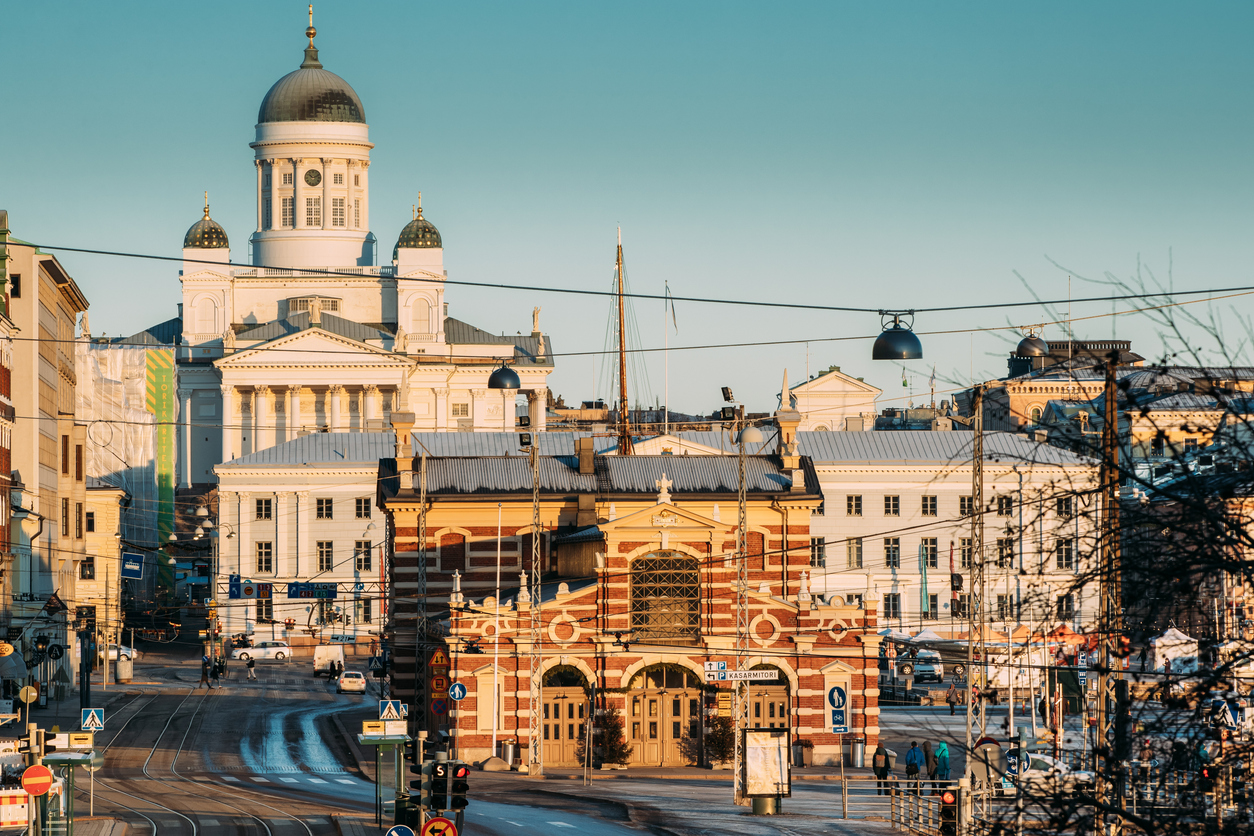
9. Vallila, Helsinki
Vallila combines old industrial halls with vibrant bars and restaurants. Its appeal lies in understated cool: quieter than its headline-grabbing neighbour Kallio, it delivers a mix of grit and romance, with community-led festivals enhancing its cultural capital.
10. Labone, Accra
Labone’s transformation from sleepy suburb to cultural hub showcases urban reinvention in a West African context. Galleries, wine bars, and creative programming signal a neighbourhood brand that balances local heritage with cosmopolitan aspirations.
The 2025 ranking underscores a global trend: the coolest neighbourhoods are not necessarily the most commercialized, but those that nurture independent businesses, foster cultural diversity, and embrace a DIY ethos. From Tokyo to Accra, these neighbourhoods demonstrate how local character, innovation, and community engagement can drive urban vitality, offering a blueprint for cities worldwide seeking to cultivate their own creative districts.
Source: TimeOut, “The 39 coolest neighbourhoods in the world in 2025”.
https://www.timeout.com/travel/coolest-neighbourhoods-in-the-world-2025?
List Nature: frontend-text