


Image Credit: Supermama
Among Singapore’s design brands, some begin with material, others with craft. Supermama feels like it is doing something quieter. It compresses the lived experience of the city into objects that can be looked at closely and used without ceremony. It does not rush to prove luxury, and it does not depend on nostalgia to create emotion. Instead, it makes everyday experience feel clearer and easier to notice.
Minimising symbols, so people can reconnect with things
Supermama’s objects often start with small decisions: a line, a block of colour, a particular texture. The forms are distilled to something very clean. They do not carry a grand narrative, yet meaning tends to grow through use. A fine line along a bowl’s rim gives the fingers a precise point of contact, a small reassurance of position. The curve of a cup is not shaped for decoration, but follows the natural movement of the hand. What the brand seems to offer is a kind of space. It leaves room for objects and daily routines to meet and settle into each other over time.
Related to the city, but not a literal portrait of it
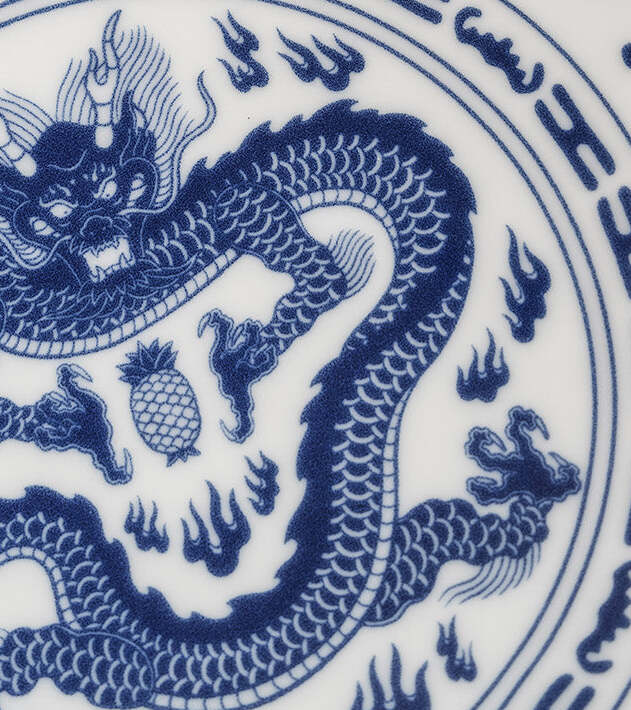
Many people first recognise Supermama through its blue and white porcelain created in collaboration with Japanese ceramic workshops, where a badge like graphic language is often read as “Singapore themed”. Yet the designs do not seem interested in copying scenery or reproducing landmarks. They feel closer to a distilled urban structure. The emphasis is on rhythm rather than image, on memory rather than commemoration. What remains is a sense of the city, not the city itself.
That restraint becomes even clearer in the brand’s core work. The Singapore Icons project, initiated by Supermama in collaboration with the Japanese porcelain company KIHARA, frames its intent as a re-identification of Singapore’s icons. At its core, it rewrites shared urban memory through a contemporary design vocabulary. The series has also been recognised through the Singapore President’s Design Award, marking it as a significant point of origin in the brand’s story.
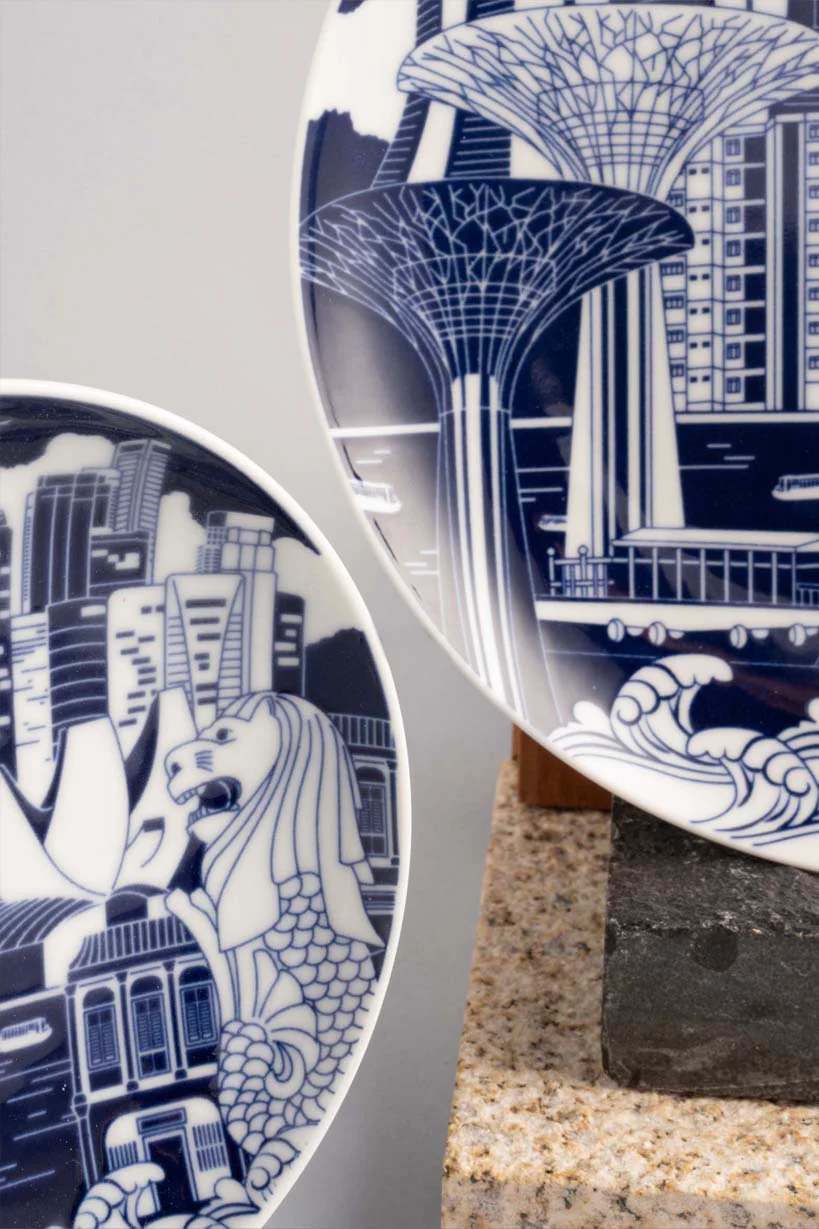
Image Credit: Supermama
The point of design is not emotion, but order
Many contemporary tableware brands try to create atmosphere through shape. Supermama’s work feels closer to order. Plate borders are precise, proportions feel stable, cup heights and diameters are carefully judged, and smaller pieces often carry a quiet geometric logic. This order is not cold mathematics. It is a way of settling daily life. When the pieces are laid out on a table, they naturally create a restrained rhythm. They do not instruct a lifestyle. They simply hold their place.
This sense of order extends into production and collaboration as well. Within the context of Arita, the brand has worked across multiple product lines, including collaborations connected to 1616 Arita Japan, treating reliability for daily use as a foundational requirement.
Value is built through use, not instant impact
Supermama’s objects do not aim for a dramatic first impression. They feel like pieces that require time. Fine scratches that appear on a cup after regular use can make the surface feel more grounded, not less. Patterns on a plate may look crisp in sunlight and softer in shade. Each wash, each dry, feels like the design is being touched again, returned to the present. This slow accumulation of value stands in clear contrast to design that depends on immediate visual shock.
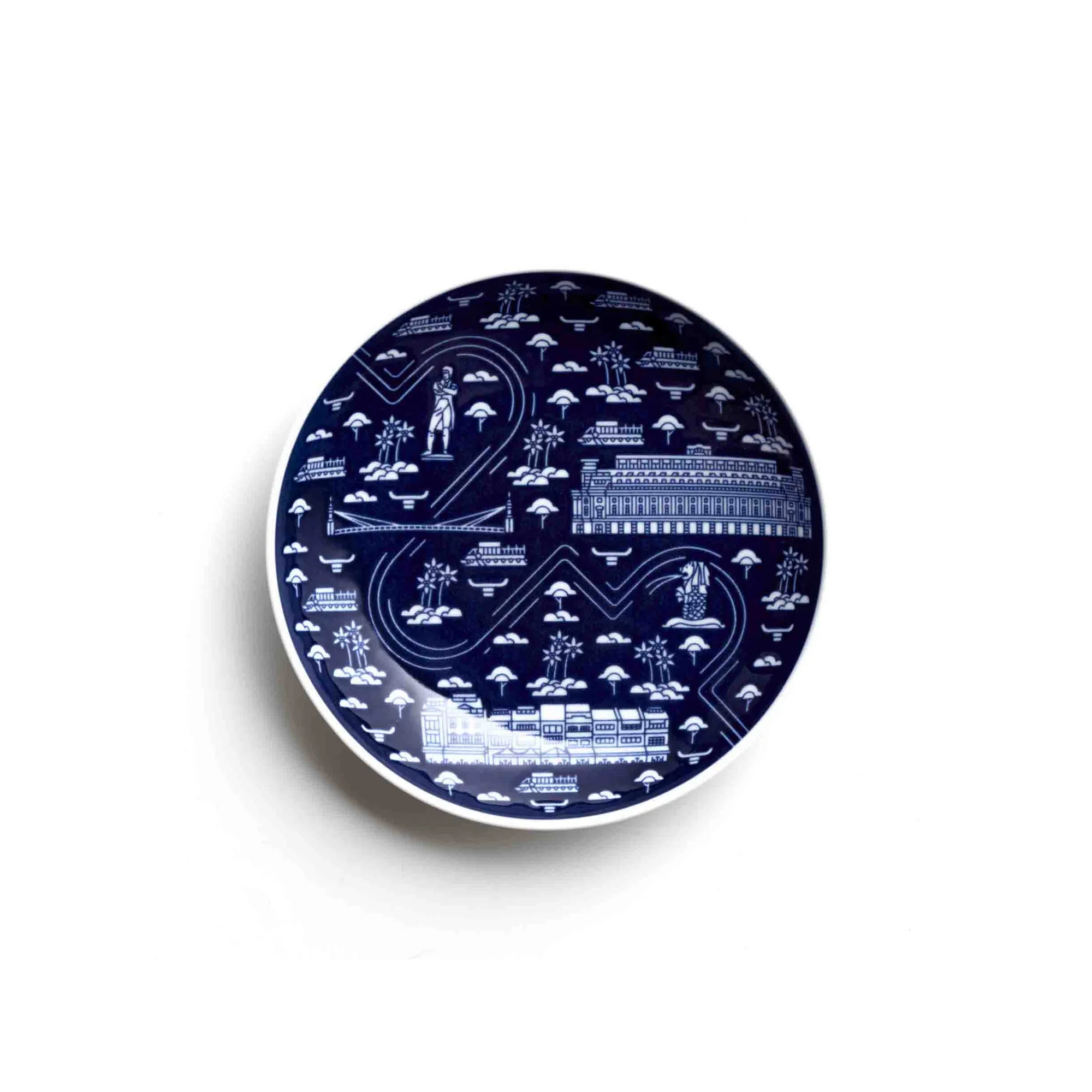
Image Credit: Supermama
Speaking about culture lightly, without making culture feel heavy
Design that touches on cultural themes can easily become decorative. Supermama tends to place culture into method rather than image. There are no totem like symbols, and no reliance on illustrative storytelling. Culture is treated as a practiced order, hidden in proportions, spacing, tactility, and habits of use. It is a contemporary stance. Not revival, not staging, but culture as a sustainable daily practice.
Even with the widely recognised Merlion theme, the approach is closer to an invitation at the table than a souvenir style stack of symbols. Pieces inspired by Peranakan patterns are handled in a similar way, letting the city’s multicultural texture sit on the surface of objects meant for everyday use, rather than turning culture into something that requires explanation.
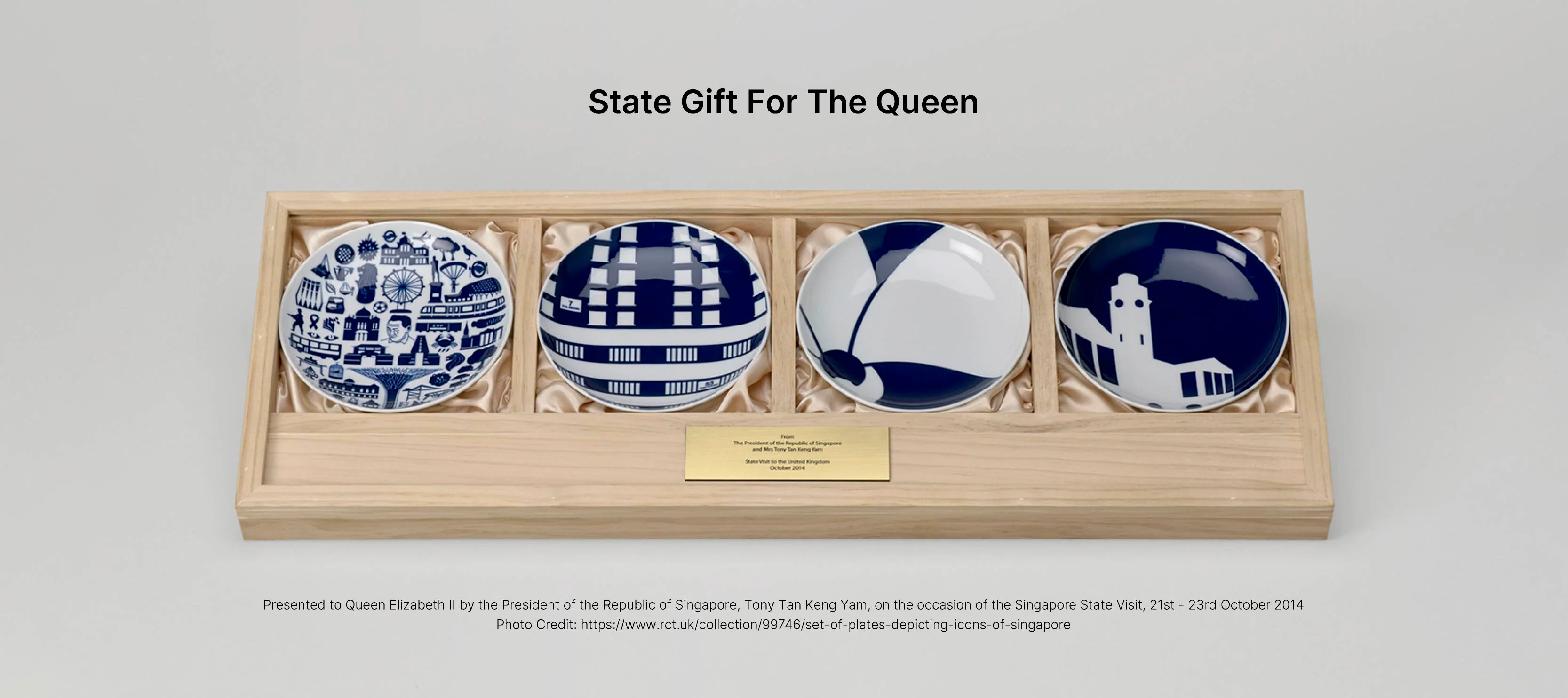
Image Credit: Supermama
Closing: Not just making tableware, but offering a way to clear the noise of modern life
When many brands compete for attention through louder concepts or more complex materials, Supermama chooses to be lighter and quieter. It is not fixated on emotional display or heavy narrative. It offers clarity, returning objects to their essence and life to its own shape. Through being used, washed, and touched, the pieces keep repeating a simple idea: life can be simplified, organised, and redefined. Function comes before story. Order comes before mood. Daily life comes before aesthetics. That kind of lightness is a form of strength.