


On a Singapore morning, there is often a scent in the air that feels inseparable from the day itself: a mix of pandan leaf, coconut warmth, and early humidity. It is not floral and it is not coffee. It belongs to the hawker centre, where small queues form before the shutters fully feel “open,” and commuters in work clothes wait patiently for a warm packet of nasi lemak. For something that looks like an ordinary breakfast, it carries a steady kind of comfort.
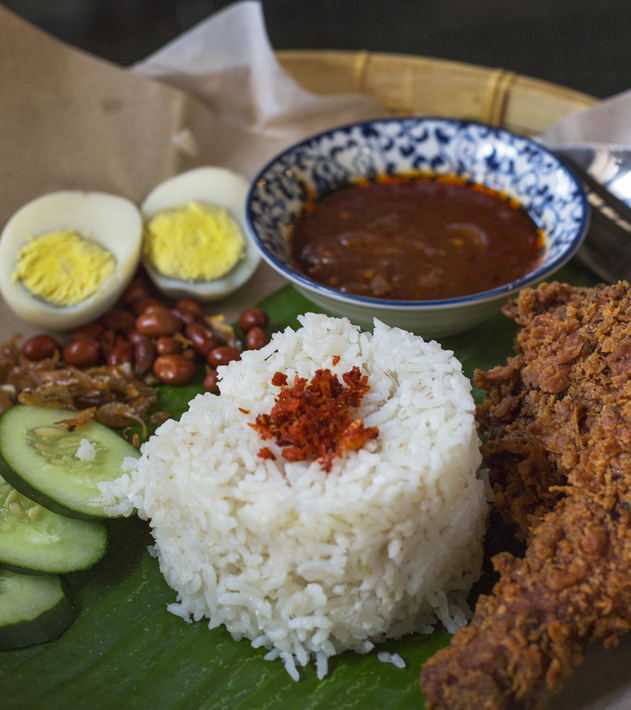
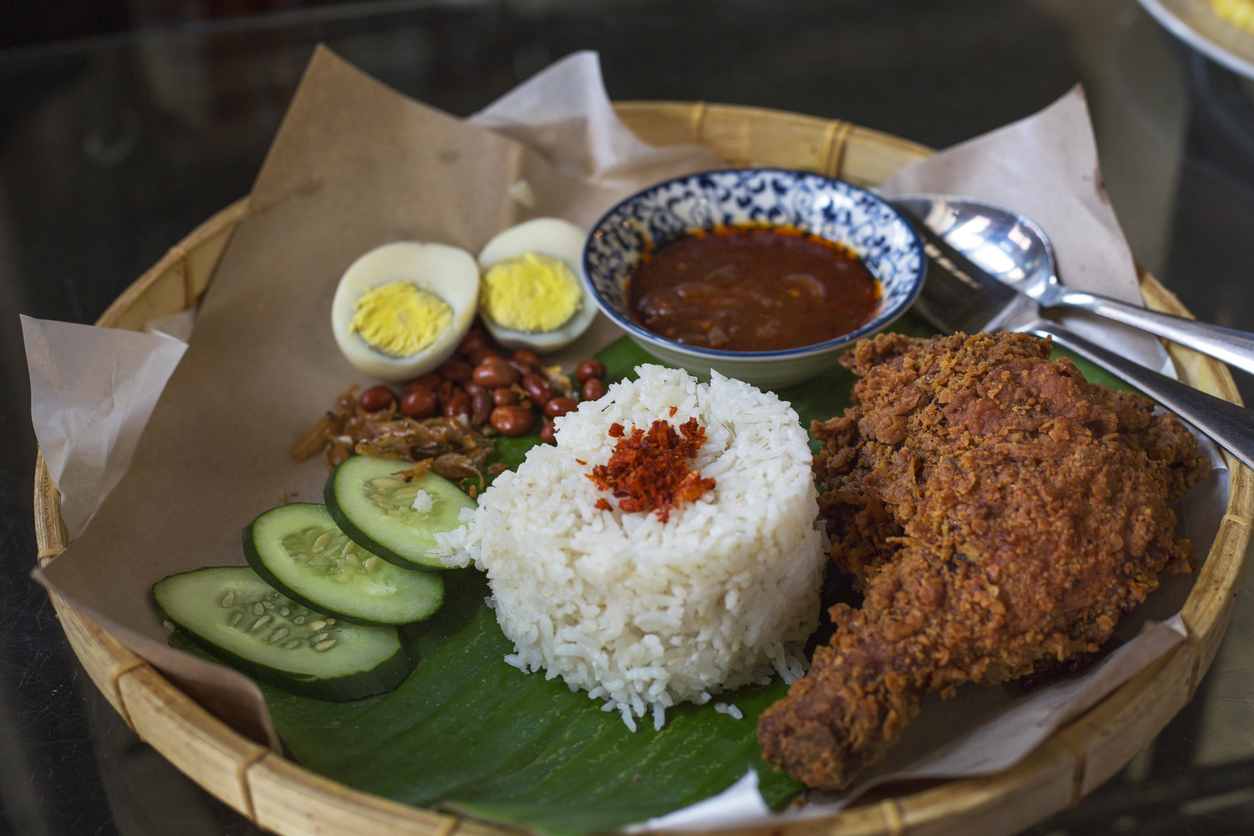
The appeal of nasi lemak is how straightforward it is. The moment the packet is unwrapped, coconut rice releases a gentle sweetness, the softness that comes from grains that have absorbed coconut milk. A light stir lifts a faint pandan fragrance. Alongside the rice, the sides arrive like a compact, colorful tray: golden fried chicken, crisp anchovies, peanuts, half a boiled egg, and a spoon of deep red sambal. It can look casual, but the balance is deliberate, and it reads instantly as Southeast Asian.
The first bite is often rice with a little sambal. The sambal does not flatten everything into heat. It brings a warm sweetness that wakes the palate, then lingers. Fried chicken adds contrast, crisp skin against tender meat, richness against the clean coconut fragrance. Anchovies and peanuts do the quiet work of making the whole meal feel lively: a little salt, a little crunch, and a rhythm that keeps every mouthful from feeling repetitive.
At the stall, the soundtrack is rarely conversation. It is the steady chop of chicken on a board, the soft bubbling of oil, and the clink of plates that only a busy food centre seems to produce. Students stop by quickly with backpacks still on. Older regulars sit longer, nursing tea while eating slowly. Put together, the scene makes the morning feel grounded, as if the day has a solid starting point.
Nasi lemak is not limited to breakfast. It easily becomes lunch, and sometimes it is the small reward people reach for when they want something warm and reliable. Each stall has its own preferences and standards. Some push a fierier sambal, some fry the chicken extra crisp, some focus on making the coconut rice especially fragrant. The combinations vary, but the satisfaction stays the same: simple, honest, and close to everyday life.
Regional nasi lemak tends to show its personality through sambal and sides
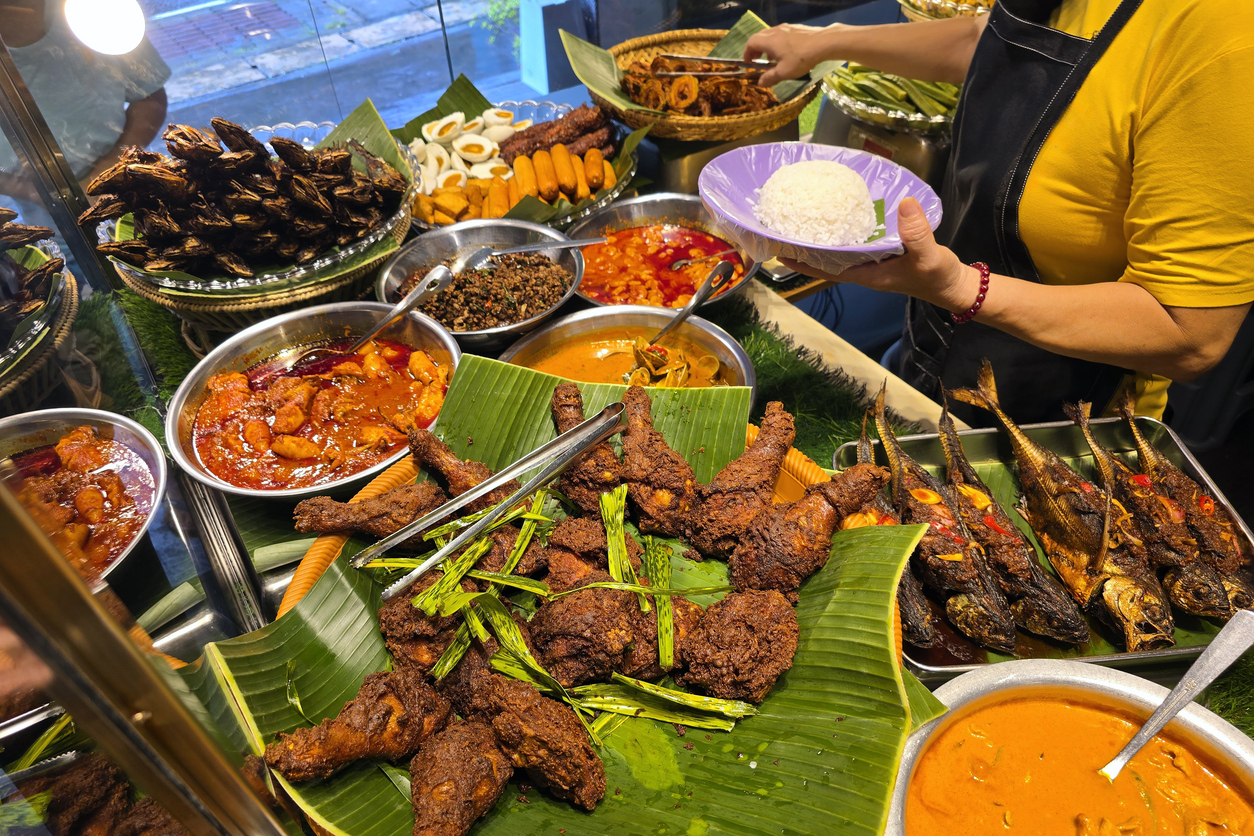
In Malaysia and Singapore, the foundation is familiar: coconut rice with sambal, plus anchovies, peanuts, egg, and cucumber. The differences often show up in the sambal's sweet heat balance and the choice of main proteins. Some versions lean toward more substantial pairings like fried chicken, beef rendang, or sambal squid. In parts of the Malay Peninsula, curry elements also appear more naturally in the overall flavor profile.
In Singapore, the variation often reflects hawker culture's everyday creativity. Beyond the classic set, fried chicken wings and otah show up frequently, aligning with local habits and the practical way people buy and eat in the morning. It stays breakfast when it needs to be, but it also becomes the kind of hot, satisfying meal that fits anytime.
Across the wider region, nasi lemak has close relatives. Indonesia's nasi uduk and Brunei's nasi katok share a similar structure, fragrant rice paired with bold sides, even if the spice details and the emphasis of the add ons differ.
A step by step version for home
Step 1: Get the coconut rice right. Rinse the rice and soak briefly. Cook it with a mix of water and coconut milk, add a pinch of salt, and include pandan leaves for aroma. For a slightly deeper profile, add a little ginger while cooking. Once done, let it rest, then fluff gently so the fragrance rounds out.
Step 2: Build the base of the sambal. Blend chilies, shallots, and garlic into a paste. Add fermented depth with belacan or a similar ingredient, then cook slowly over low heat until it turns glossy and aromatic. Balance the finish with sugar and a sour note, often tamarind, for a cleaner sweet tangy close.
Step 3: Make the anchovies and peanuts crisp. Toast them gently or fry quickly until golden. Drain well and let them cool completely so the crunch holds. That crisp saltiness is what lifts the whole plate.
Step 4: Prep the mains and the cooling sides. Fried chicken or fried chicken wings are the most common, though rendang or other cooked mains can be swapped in depending on preference. Boil the egg and halve it, slice cucumber to refresh the palate, then arrange everything with a sense of order.
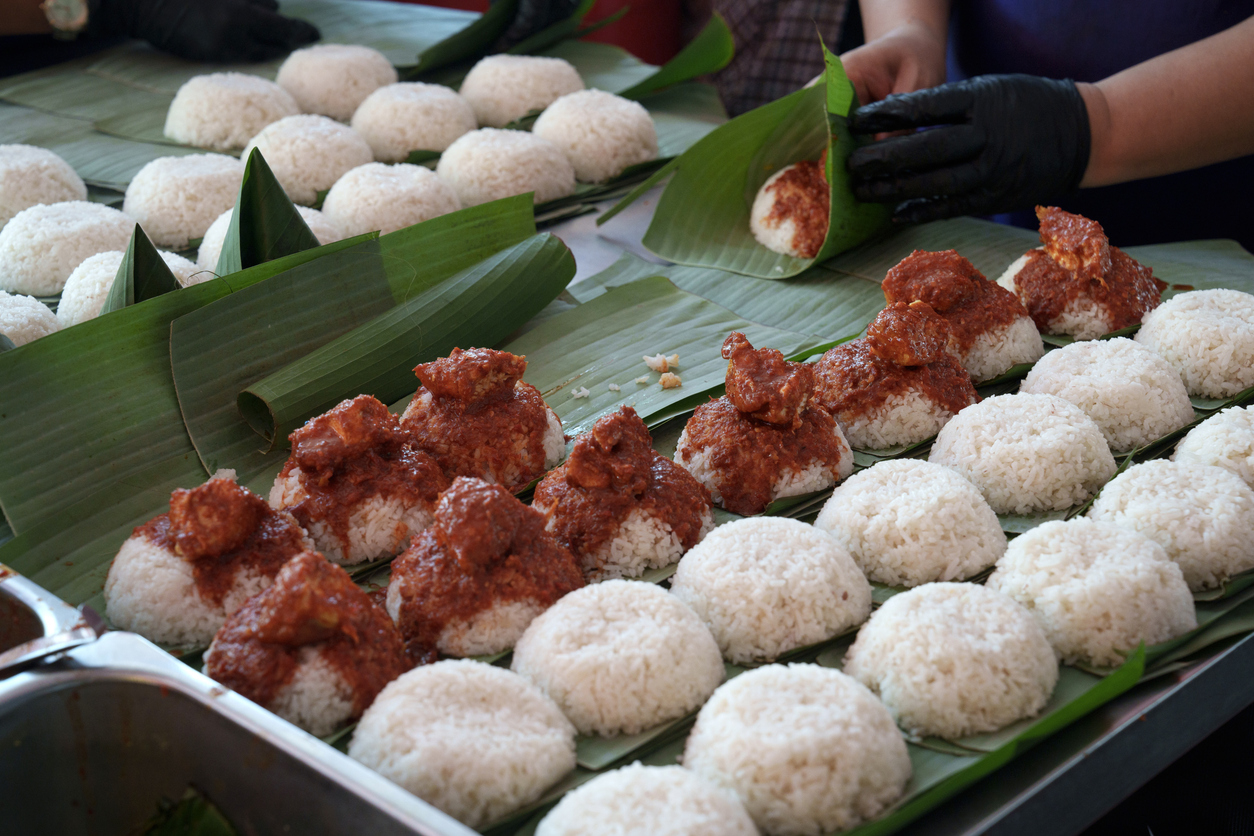
Step 5: Assemble and wrap. Sambal is typically placed beside the rice rather than mixed through, so the heat can be adjusted bite by bite. For a more street style finish, wrap it in banana leaf. The aroma concentrates, and the moment the packet is opened feels closer to a real hawker breakfast.
Singapore has endless food choices, but nasi lemak is the kind of dish that still brings a familiar smile no matter how many times it has been eaten. It does not need presentation or an occasion. In the heat, it feels steady and gentle. In a rushed morning, it still feels complete. It may look like an ordinary meal, yet it carries the warmth of daily life, and a quiet reminder that mornings in this city are never quite as hurried as they seem.