



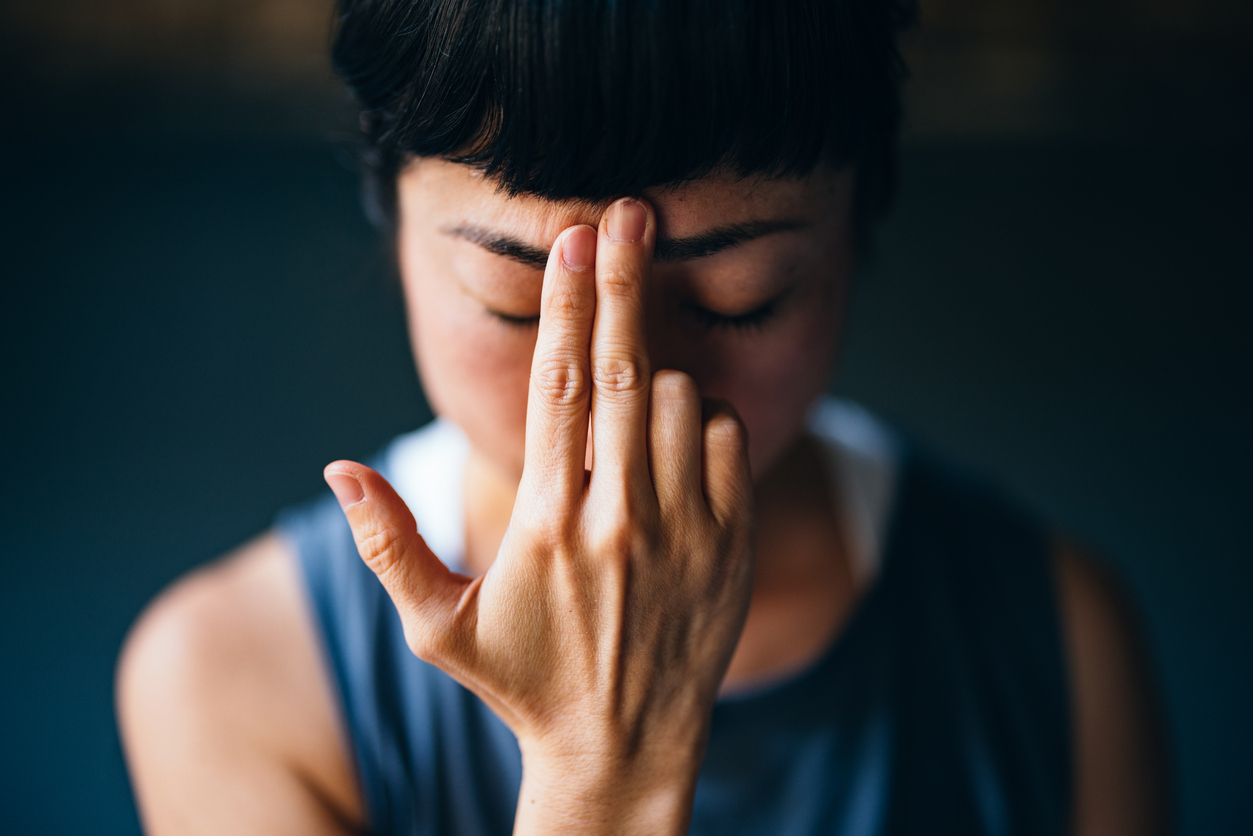
In a place like Singapore, the air is often humid and the temperature stays almost the same throughout the year. The body tires easily in this kind of weather. It gets restless, warm, and sometimes tense from spending long hours in air-conditioned rooms. Many people assume this fatigue comes from work alone, but climate, pace of life, and constant environmental stimulation all play a part. That's one reason more and more people have begun adding meditation to their daily routine.
Meditation may look like simply sitting still, but its effects on the body are very real. One of the first things it helps with is breathing. In Singapore's heat and humidity, people often breathe shallowly without noticing, and over time this keeps the body in a mildly tense state. The deep breathing in meditation allows the lungs to open fully and lets air reach deeper into the body. It calms the nervous system and helps the shoulders loosen and the mind feel a little lighter. Many people notice this shift within just a few minutes, and it's a perfectly normal physical response.
Beyond breathing, meditation is especially helpful for managing the pace of daily life. Singapore moves quickly. From public transport to office corridors, people walk fast, reply fast, solve problems fast. Staying in this always-ready mode makes the body subtly tense for long periods. Meditation isn't about forcing your mind to go blank. It's more like pressing a gentle reset button, giving your inner noise a chance to slow down. Studies show that people who meditate regularly tend to have more balanced stress hormones and often sleep better as well.
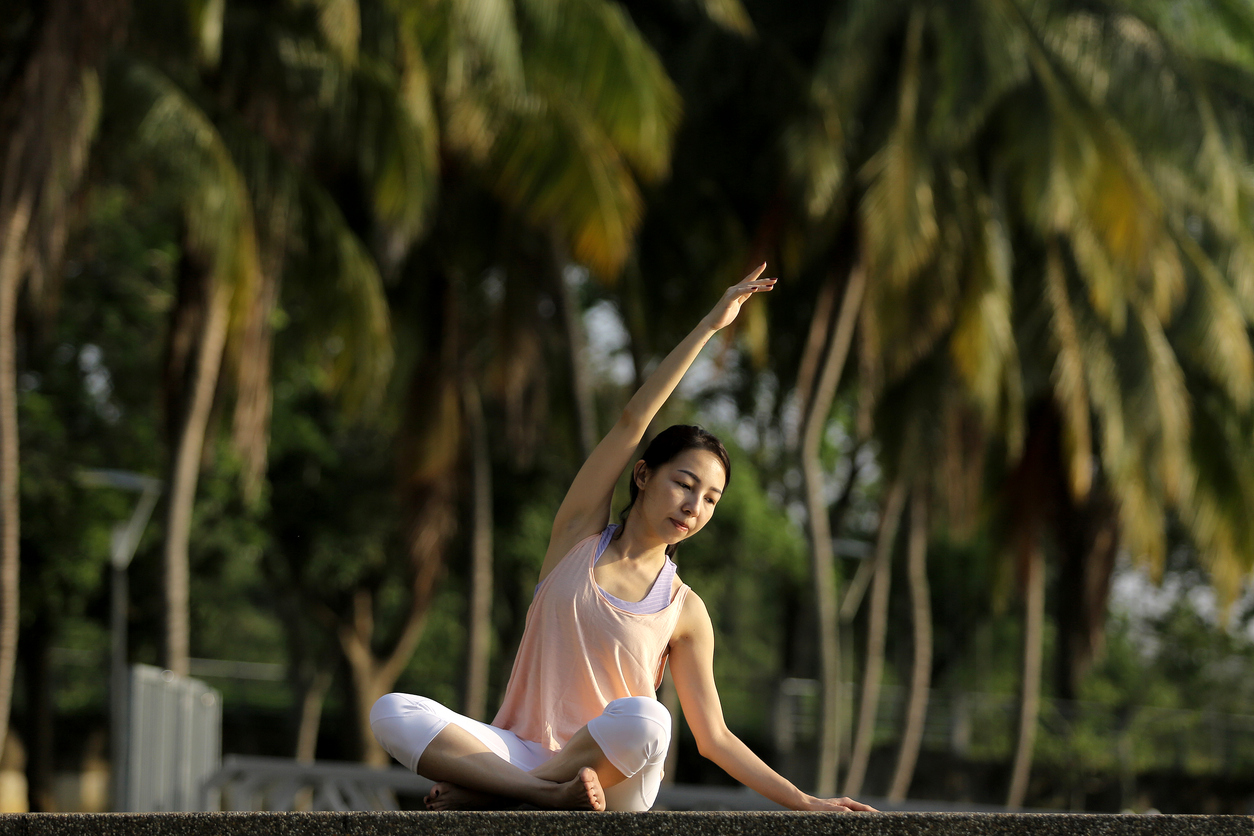
Another reason meditation works so well in Singapore is the way the city is planned. No matter where you live, there's always a community garden, a patch of green under an HDB block, or a quiet corner along a park connector. Meditation doesn't require a special setup. As long as you're in a place with a bit of airflow and few distractions, sitting still for even three to five minutes can help. Practicing near greenery makes it easier to relax because plants stabilize the air, and natural background sounds help the mind settle into a calmer rhythm.
When you're just starting, you don't need to aim for “total stillness” or “absolute emptiness.” That kind of pressure usually makes people more tense. The simplest way is to pay attention to your body the expansion of your chest when you inhale, the soft drop of your shoulders when you exhale, the weight of your feet on the ground. This gentle awareness naturally draws your mind away from distractions without creating any mental strain. Many wellness centers here recommend beginning with short sessions, two or three minutes a day, so meditation becomes a small part of daily life rather than a task you must accomplish.
Meditation is also surprisingly effective for easing the fatigue caused by long hours in air-conditioned environments. Many office workers experience afternoon heaviness, difficulty focusing, and tight shoulders. This isn't only physical. It's mental pressure that builds up in a closed environment. A brief moment of closed-eye breathing brings more oxygen to the brain, resets the body's rhythm, and helps soften the mild anxiety or irritability that often appears in the late afternoon.
In the end, meditation fits the rhythm of life in Singapore almost perfectly. It doesn't require equipment, space, or cost. You can practice it in an HDB corridor, a tiny community garden, or a quiet corner near a bus stop. As you practice more, you'll notice meditation isn't about escaping life. It's about finding a small soft space within it. It gives the body a cushion in the middle of a busy city and gives the mind a bit of room to breathe.
Once you get used to giving yourself a few minutes each day, you may find that you feel lighter than you expected, and your emotions settle more easily. Health isn't only about diet or exercise.
Sometimes, taking a moment to pause becomes one of the most powerful ways to take care of yourself.